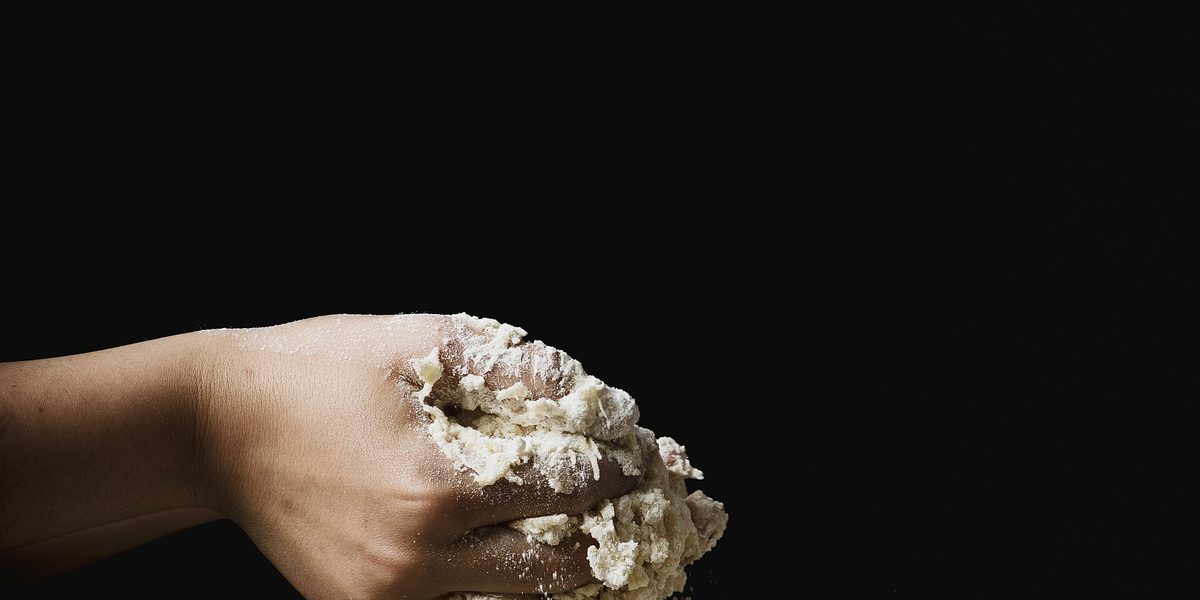
Gluten Explained: What It Is, How It Works, and Why It Makes Bread Chewy
What gluten actually is, how kneading builds it, why bread is chewy and cake is tender, and how fat, sugar, and rest time change your dough.
Read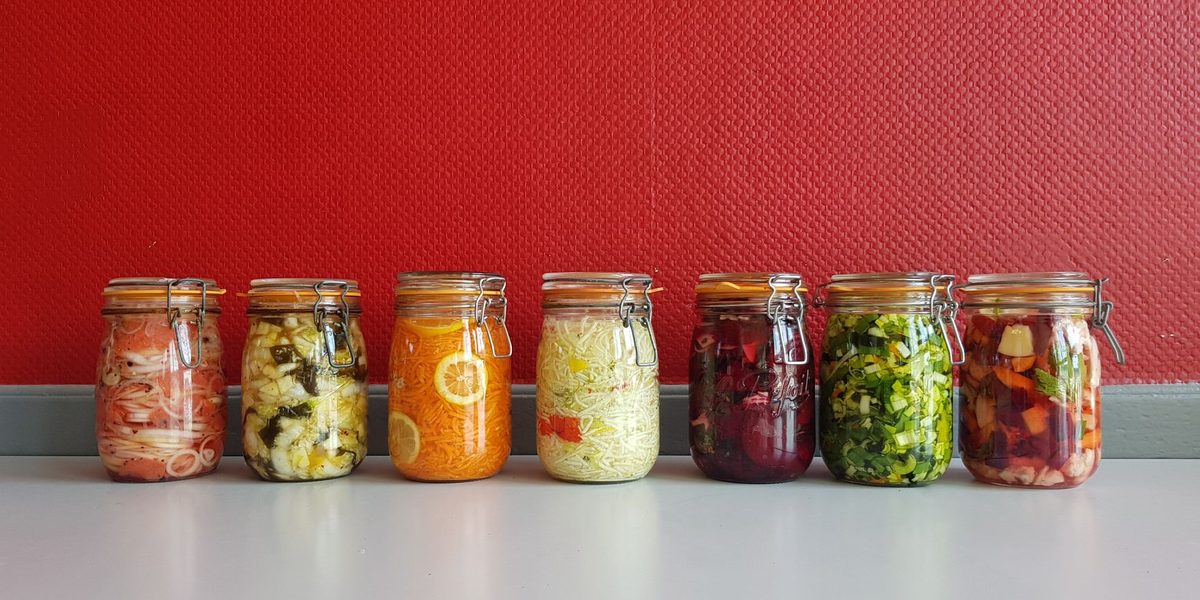
Understanding Fermentation: How Microbes Transform Food and Flavor
How fermentation works, why lactic acid and yeast produce such different results, where deep sour and savory flavors come from, and how to start safely.
Read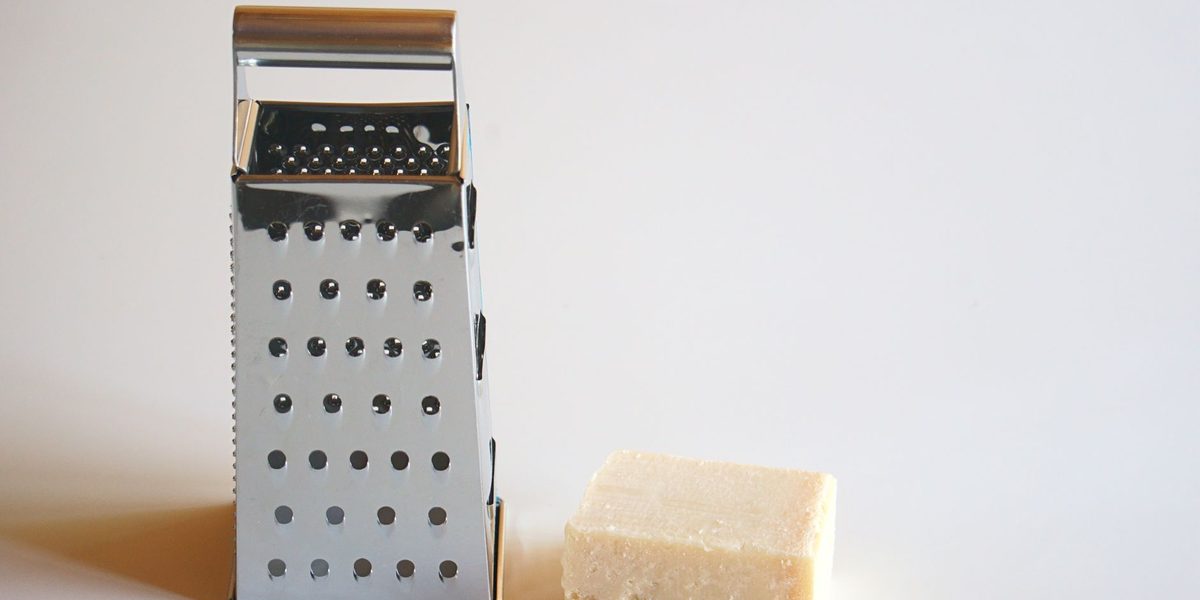
Umami Explained: The Fifth Taste and How to Use It in Everyday Cooking
What umami is, how your tongue detects glutamates, which foods are richest in it, why combinations multiply savoriness, and how to layer it in cooking.
Read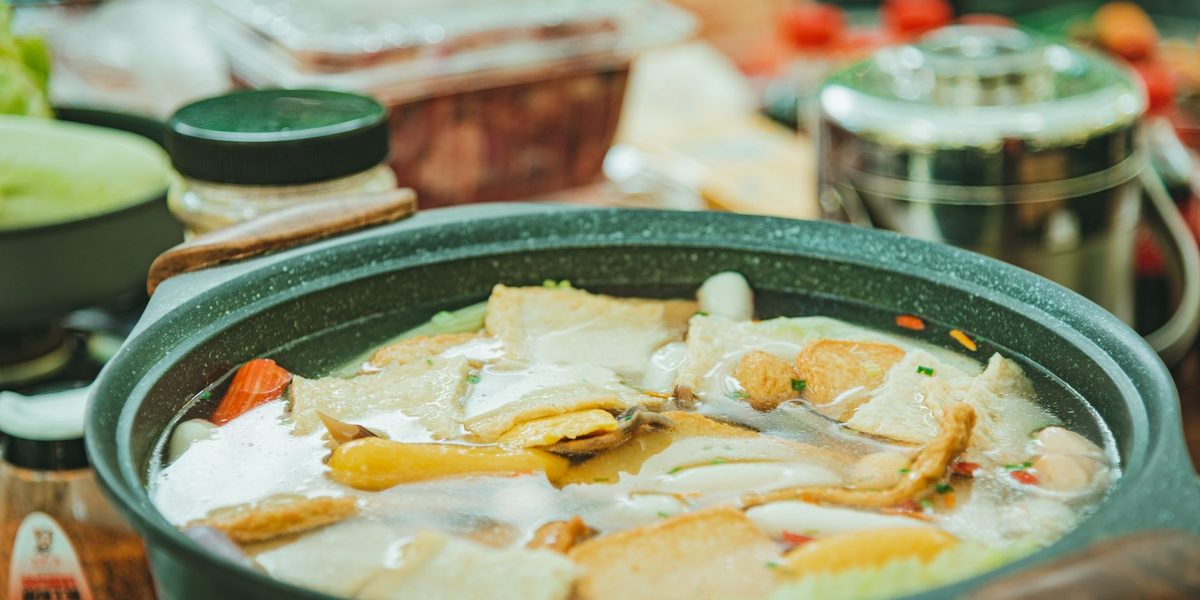
Stock, Broth, and Bone Broth: What Actually Makes Them Different
Bones or meat? Why stock gels and broth doesn't, how simmer time changes everything, how to make stock from scraps, and how to decode store-bought cartons.
Read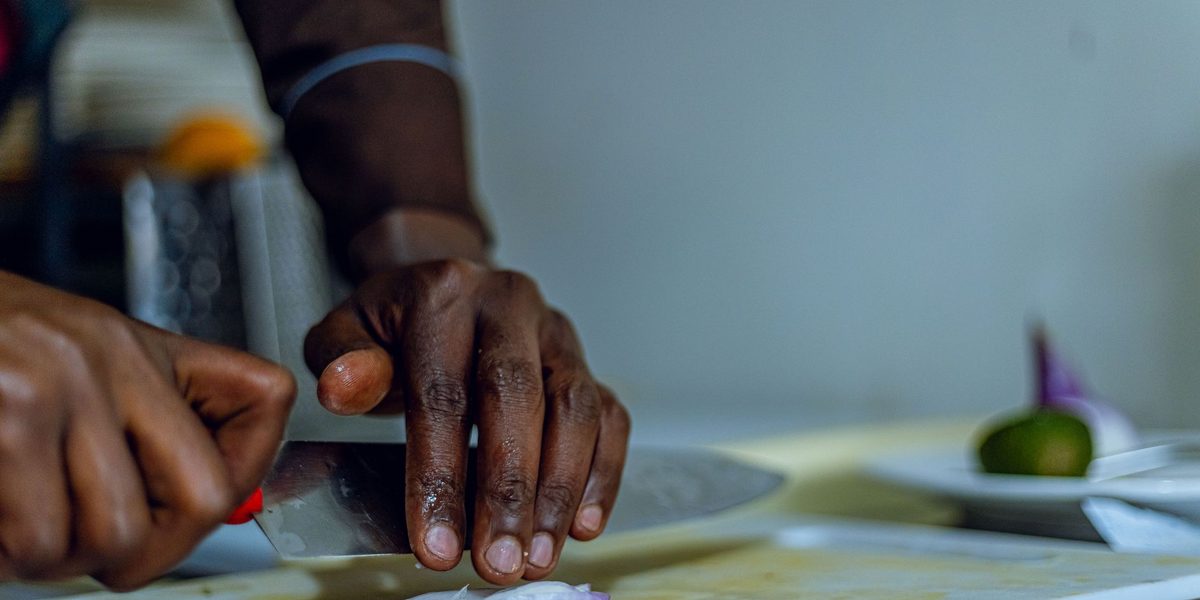
Why Onions Make You Cry: The Kitchen Science of Onions and Garlic
The chemistry behind onion tears and garlic flavor: sulfur compounds, why cutting method matters, how to cry less, and why garlic burns and turns bitter.
Read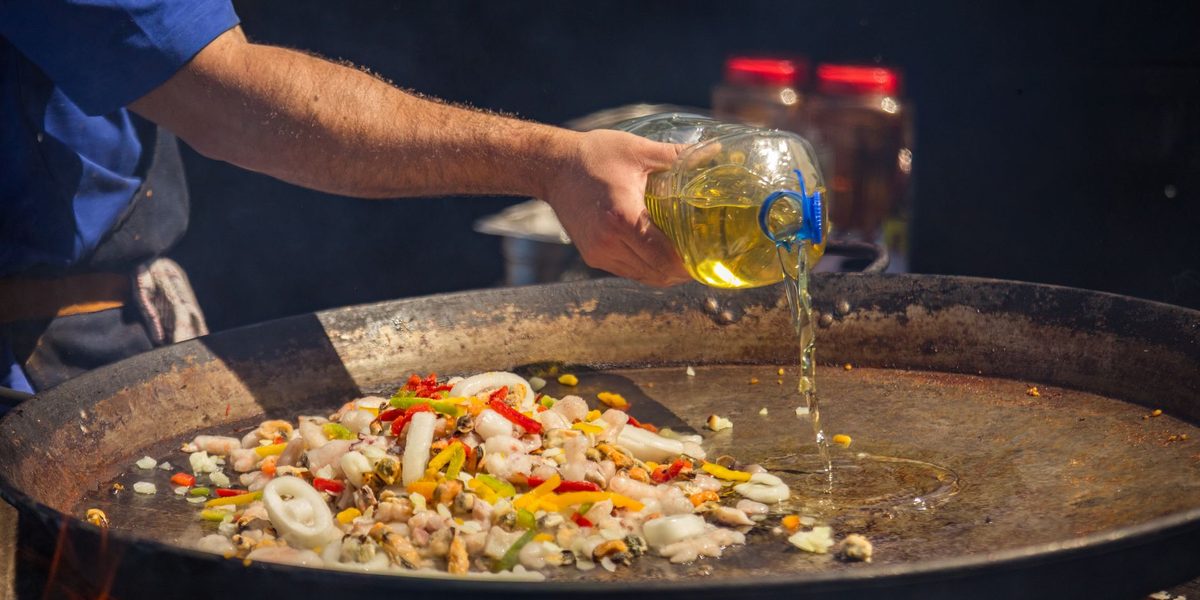
Understanding Cooking Oils and Smoke Points: How to Match the Right Oil to the Job
What smoke point really means, refined vs unrefined oils, neutral vs flavorful, matching oil to technique, the olive oil myth, and how to store oil right.
Read