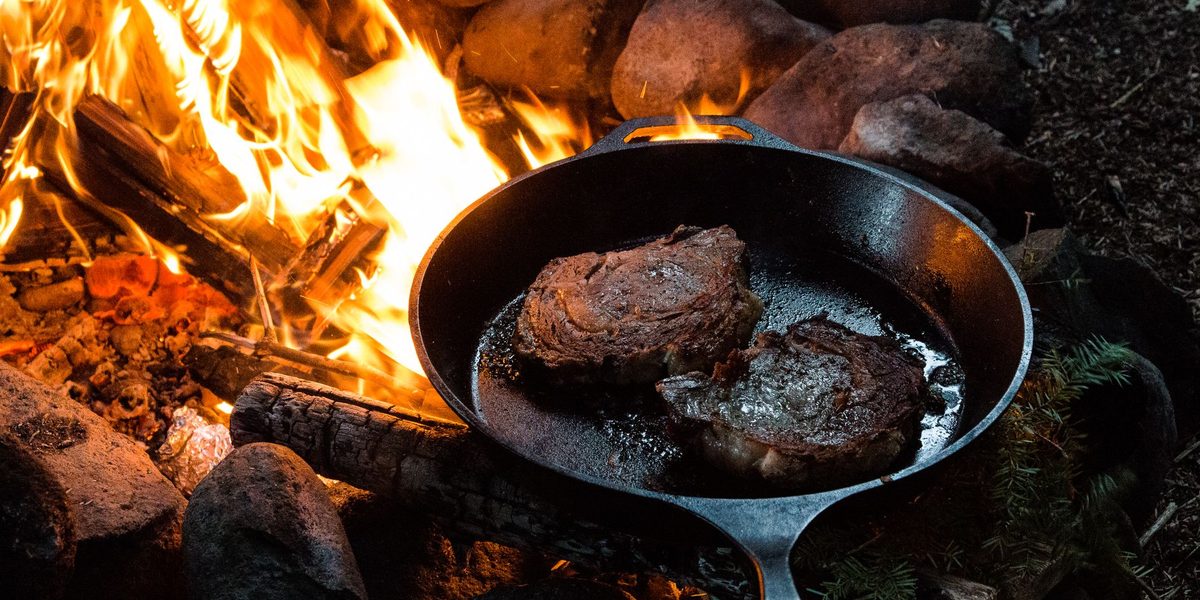
The Maillard Reaction Explained: Why Browned Food Tastes Better
A plain-language guide to the Maillard reaction — what browning really is, how it differs from caramelization, and how to get deeper flavor in your own kitchen.
Read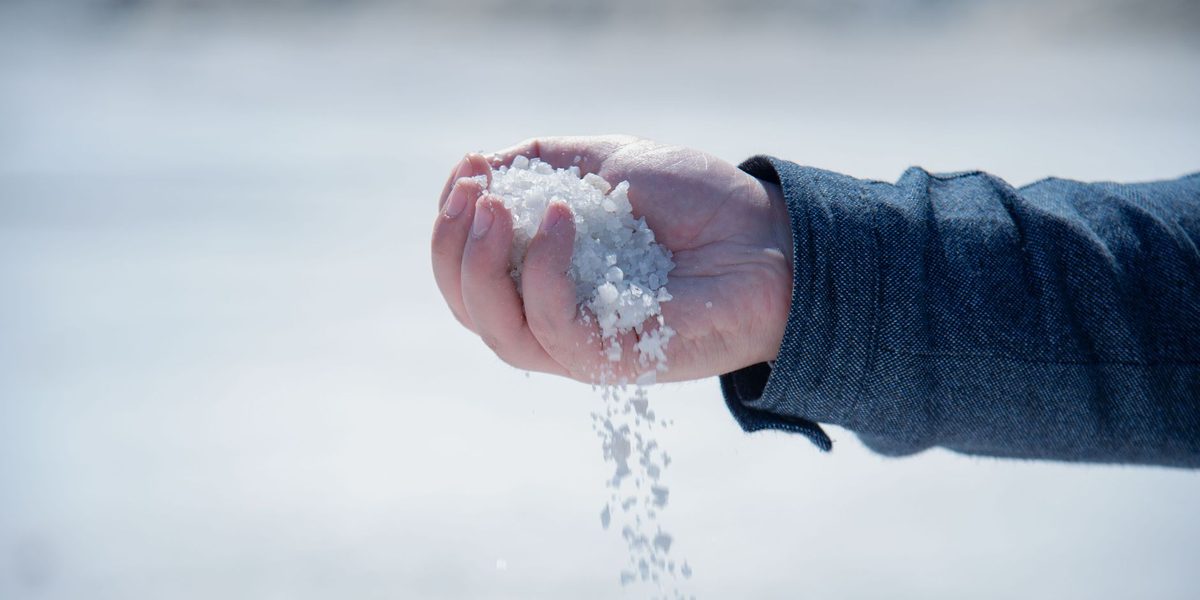
How Salt Really Works in Cooking: More Than Just a Seasoning
Salt does far more than make food salty. Learn how it transforms proteins, draws out moisture, balances bitterness, and when to add it for the best results.
Read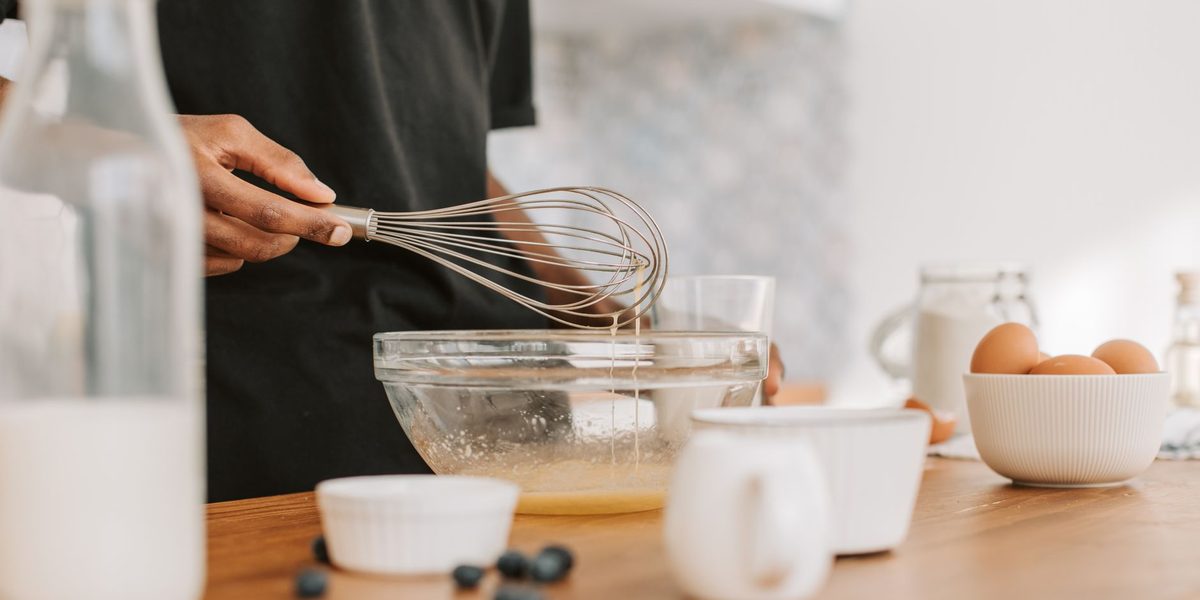
Understanding Emulsions: Why Vinaigrettes Split and Mayonnaise Holds
Learn what an emulsion really is, how egg yolk and mustard hold oil and water together, and how to fix a broken mayonnaise, vinaigrette, or pan sauce.
Read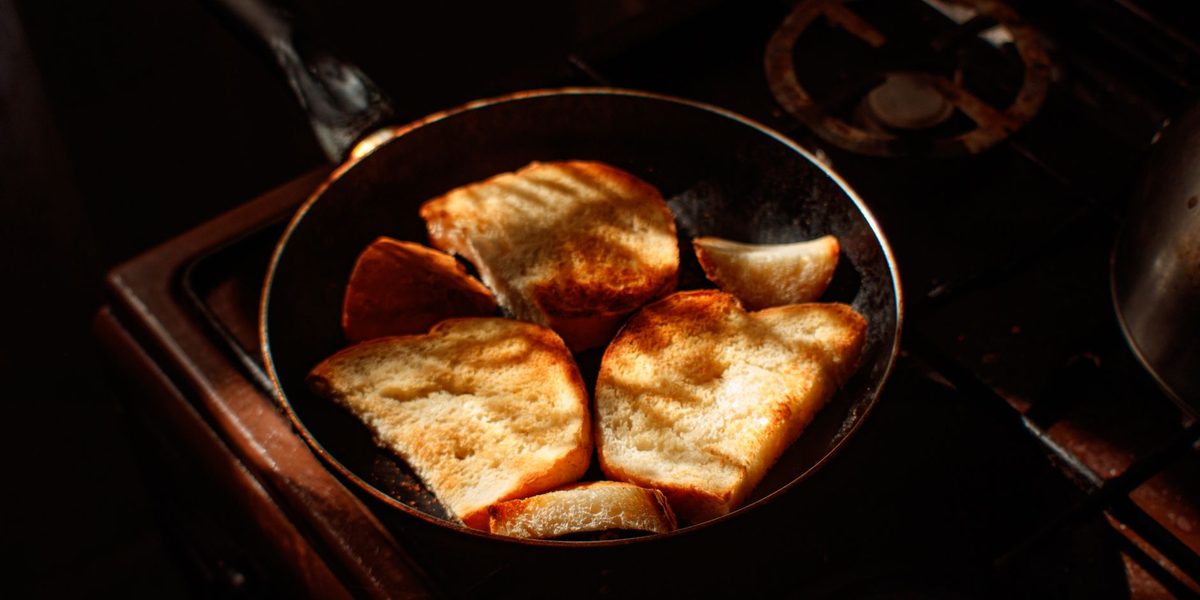
Getting More From Your Spices: Toasting, Blooming, and Grinding Explained
Learn why whole spices last longer, how toasting and blooming in fat unlock flavor, when to add spices while cooking, and how to build a smart spice shelf.
Read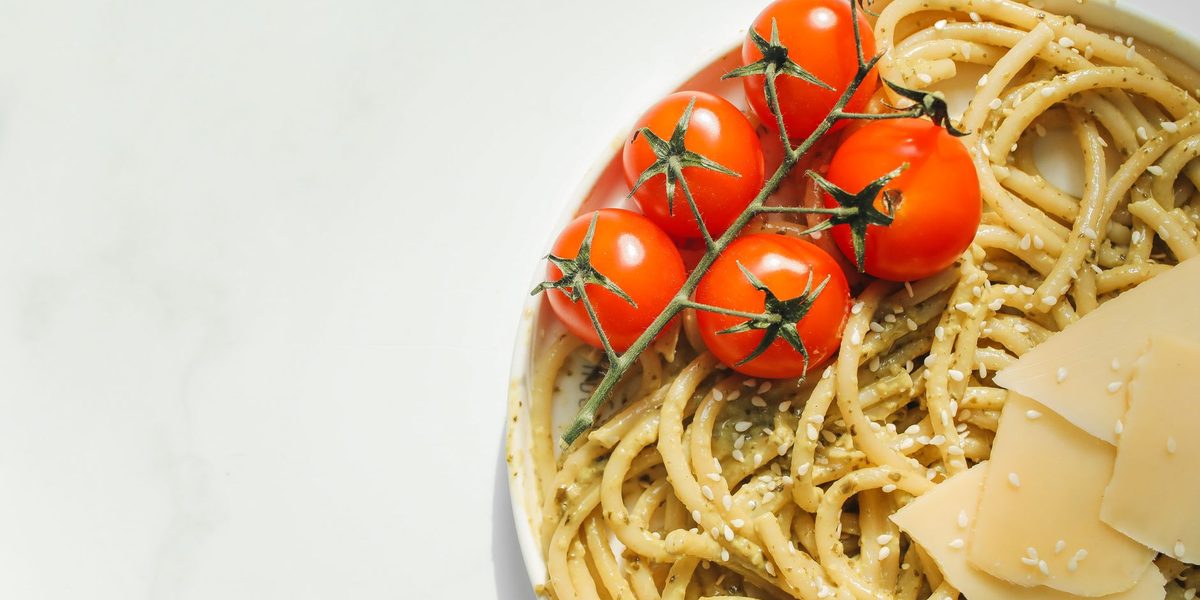
The Building Blocks of Italian Cooking: How a Few Great Ingredients Do All the Work
Understand Italian cooking from the ground up: regional differences, pantry pillars, soffritto, why pasta shapes match sauces, and why simplicity wins.
Read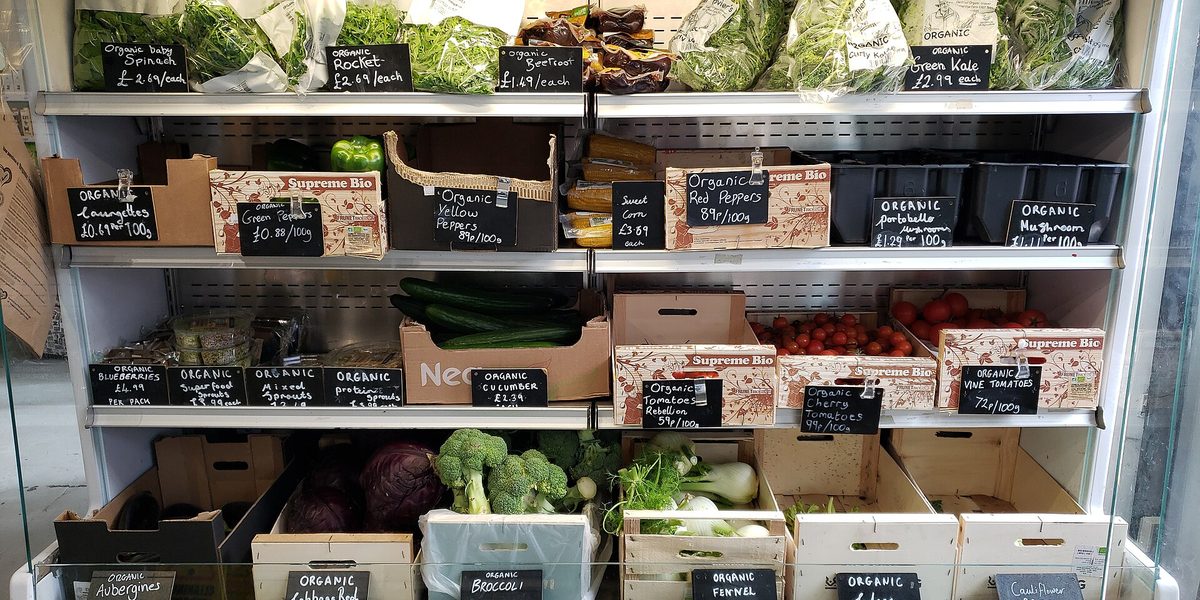
What Food Label Claims Really Mean: Organic, Natural, Grass-Fed, and More
Organic, natural, free-range, grass-fed, non-GMO, whole grain: which grocery label claims carry real meaning and which are mostly marketing.
Read