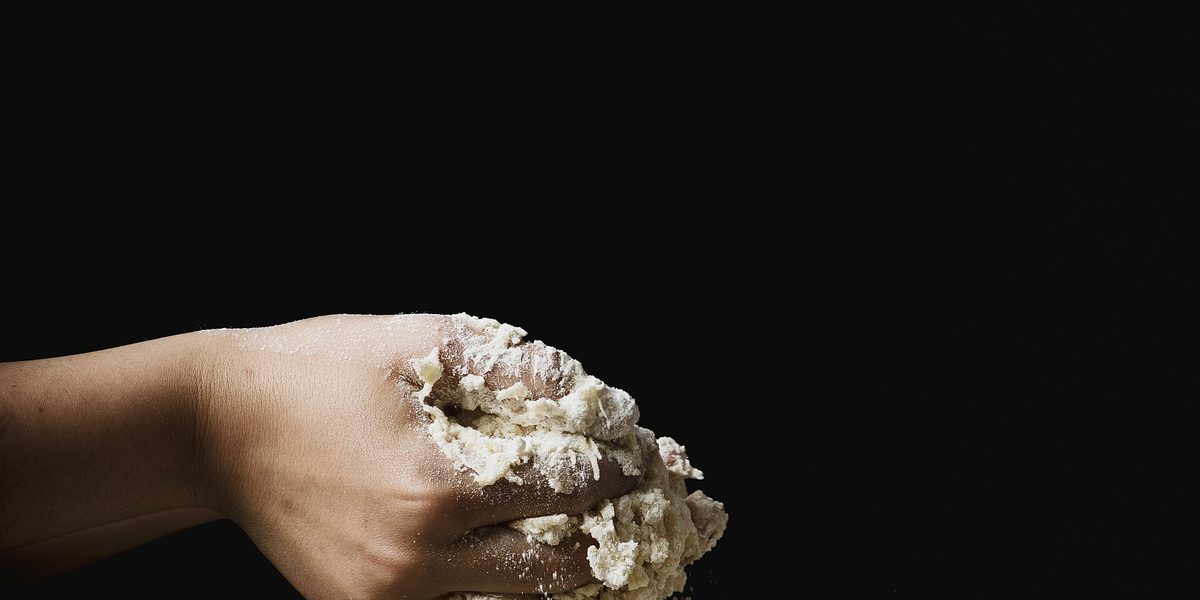
Gluten has become one of the most talked-about words in food, yet most of the conversation skips right past what it actually is. Gluten is not an additive, a chemical sprayed onto crops, or a modern invention. It is a stretchy network of proteins that forms naturally when wheat flour meets water, and it is the invisible architecture behind almost everything a bakery sells. Understanding how gluten forms, what strengthens it, and what weakens it is one of the most useful pieces of kitchen knowledge you can own, because it explains why bread is chewy, why cake is soft, why pie crust shatters, and why your cookies came out tough that one time. Consider this your friendly walkthrough of the whole system.
What Gluten Actually Is
Wheat flour contains two storage proteins that matter here: glutenin and gliadin. On their own, sitting dry in the bag, they do nothing interesting. But add water and the two proteins hydrate, unfold, and begin bonding to each other. Glutenin molecules are long and springy, providing elasticity, the snap-back quality that lets dough resist stretching. Gliadin molecules are smaller and act more like a lubricant, providing extensibility, the ability to stretch out without tearing. Together they form gluten: a web that is both stretchy and strong.
Think of it as a balloon-and-rubber-band hybrid. The glutenin gives the rubber-band pull; the gliadin lets the whole thing flow and extend. Neither protein alone would make good bread. It is the combination, plus water, plus a little mechanical encouragement, that creates the elastic sheet capable of trapping gas bubbles and holding a loaf up.
How Kneading Builds the Network
When you first mix flour and water, gluten development is patchy and disorganized, like a pile of tangled string. Kneading physically aligns those protein strands, stretching them out and helping them form new bonds in an organized web. Every fold and press adds a bit more order. This is why dough transforms from a shaggy, sticky mass into something smooth, satiny, and elastic after several minutes of work.
Bakers test this progress with the windowpane test: pull off a small piece of dough and gently stretch it between your fingers. Well-developed gluten stretches into a thin, translucent membrane you can almost see light through. Underdeveloped gluten tears immediately. Interestingly, kneading is not the only route to a strong network. Time does much of the same work. A wet dough left alone for several hours develops gluten on its own as the proteins slowly bond, which is the secret behind popular no-knead bread methods. Kneading is a shortcut, not a requirement.
Why Bread Flour and Cake Flour Are Different
Flours are milled from different varieties of wheat, and those varieties carry different amounts of protein. Bread flour is made from harder wheat with a higher protein content, meaning more glutenin and gliadin available to build a muscular network. Cake flour comes from softer wheat with noticeably less protein, and it is often milled extra fine so it absorbs liquid delicately. All-purpose flour sits in the middle, a compromise designed to be acceptable at most jobs.
This is why substituting one flour for another changes results more than people expect. Use bread flour in a delicate cake and you get a bready, tough crumb. Use cake flour in a rustic loaf and the dough lacks the strength to trap gas, producing a squat, dense result. The protein percentage on the bag is quietly telling you how much gluten potential you are buying.
Chewy Bread, Tender Cake: Gluten Sets the Texture
Almost every texture word we use for baked goods traces back to how much gluten developed. Chewy bagels and pizza crust come from high-protein flour, generous kneading, and lean doughs that let the network grow strong. A tender cake, a crumbly shortbread, or a flaky pie crust comes from doing the opposite: choosing low-protein flour, mixing as little as possible, and surrounding the proteins with ingredients that interfere with bonding.
This is why recipes for muffins and pancakes warn you to stir just until combined, lumps and all. Every extra stroke of the spoon develops more gluten, and gluten in a muffin shows up as toughness and tunnels. It is also why pie dough instructions insist on minimal handling. The goal in tender baking is a weak, barely-formed network that holds the product together and nothing more.
The Tenderizers: Fat, Sugar, and Acid
Bakers have three classic tools for holding gluten back, and each works differently.
- Fat coats flour proteins in a waterproof layer, physically blocking them from hydrating and linking up. This is literally what the word shortening refers to: fat shortens gluten strands. It is why buttery croissant dough stays tender despite lamination and why shortbread crumbles.
- Sugar is intensely thirsty. It competes with the proteins for available water, and hydration the sugar steals is hydration gluten never gets. High-sugar doughs, like many cookies, stay soft partly for this reason.
- Acid such as buttermilk, yogurt, vinegar, or lemon juice weakens the protein bonds themselves, loosening the network. A splash of vinegar in pie dough or buttermilk in biscuits nudges the texture toward tenderness.
Salt, by contrast, tightens and strengthens gluten, which is one reason bread doughs almost always include it and why a saltless loaf feels slack and flat beyond just tasting bland.
Why Resting Dough Changes Everything
If you have ever fought a pizza dough that kept snapping back like elastic, you have met gluten that needed a rest. Freshly worked gluten is tense. Letting dough sit, covered, for even fifteen to thirty minutes allows the stretched proteins to relax, making the dough dramatically easier to roll and shape without tearing or shrinking back.
Resting also gives flour time to hydrate fully, smoothing out the dough and improving the final crumb. Many recipes hide this science in a simple instruction like let the dough rest, but now you know what is happening under the towel: the rubber bands are loosening their grip. Professional bakers plan rests into every stage of shaping for exactly this reason.
Gluten-Free Basics: Why Substitutes Behave Differently
Once you understand that gluten is the structural skeleton of wheat baking, gluten-free baking makes much more sense. Rice flour, almond flour, oat flour, and other alternatives contain no glutenin and gliadin, so they cannot build that stretchy, gas-trapping web on their own. That is why a straight one-for-one swap usually produces something crumbly, dense, or gritty.
Gluten-free recipes rebuild structure with other tools: starches for softness, gums or ground seeds for binding and stretch, eggs for lift and cohesion, and blends of several flours to balance flavor and texture. The results can be excellent, but they succeed by imitating gluten's job through different means, not by pretending the network was never important. This is also why dedicated gluten-free recipes almost always outperform improvised substitutions.
On the health side, a brief and general note: some people have celiac disease, a serious condition in which gluten must be strictly avoided, and others report sensitivity to it. For most people, gluten-containing foods are a normal part of eating. If you suspect gluten is causing you problems, the right move is to talk with a qualified health professional rather than self-diagnosing, since proper testing works best before removing gluten from your diet.
Final Thoughts
Gluten is simply protein plus water plus energy, arranged into a stretchy web. Strengthen it with high-protein flour, kneading, salt, and time when you want chew. Suppress it with soft flour, fat, sugar, acid, and a light touch when you want tenderness. Once you see baking through this lens, recipes stop being mysterious lists of commands and start reading like a logical set of decisions about one question: how much structure do I want? That single idea will improve nearly everything you bake.