You have tasted umami thousands of times without naming it. It is the deep, savory, mouth-filling quality of a slow-simmered broth, a crust of aged cheese, a spoonful of tomato paste cooked until it darkens, or a splash of soy sauce in a stir-fry. For a long time Western cooking had no word for this sensation and simply called it richness or depth. Now we know it is a genuine basic taste with its own receptors on the tongue, and understanding it is one of the fastest ways to make ordinary home cooking taste more finished. This is a plain-language tour of what umami is and how to put it to work.
The Fifth Taste, Properly Introduced
The tongue detects five basic tastes: sweet, sour, salty, bitter, and umami. The first four are familiar, and umami belongs on the same footing rather than being a vague blend of the others. Its name comes from Japanese, roughly translating as pleasant savory taste, coined by a chemist investigating why a simple seaweed broth tasted so satisfying. He isolated the compound responsible and identified a taste that did not fit any existing category.
Umami is often described as savory, meaty, brothy, or mouth-filling. Unlike a bright hit of sour or a sharp jab of salt, it spreads across the palate slowly, coats the tongue, and lingers. It also increases salivation, which is part of why umami-rich foods feel satisfying and make you want another bite. Recognizing the sensation is the first step, because once you can name it, you notice which dishes have it and, more usefully, which dishes are missing it.
Glutamate: The Molecule Behind It
The primary source of umami is glutamate, an amino acid that is one of the ordinary building blocks of protein. In whole, intact protein, glutamate is chained up with other amino acids and tastes like nothing. It only registers on the tongue in its free form, unbound and floating loose in the food.
This single fact explains most of umami cooking. Anything that breaks proteins apart releases free glutamate: aging, fermenting, curing, drying, slow cooking, and ripening. That is why a young cheese is mild while an aged one is intensely savory, why a green tomato is bland compared with a sun-ripened one, why long-simmered stock outperforms a quick one, and why fermented pastes and sauces taste so powerful. Time and microbes are glutamate factories.
Your tongue detects free glutamate with dedicated receptors, related to the machinery that senses amino acids generally. Some researchers see this as a nutritional signal: the taste helps identify protein-rich, energy-dense food, which would explain why we find it so agreeable. Whatever the reason, the response is built in rather than learned, which is why umami appeals across every cuisine on earth.
Where Umami Lives
Umami-rich ingredients cluster into recognizable families, and knowing them means you always have an option in the pantry.
- Tomatoes, especially ripe, sun-dried, or concentrated into paste. Cooking tomato paste until it deepens in color intensifies the effect noticeably.
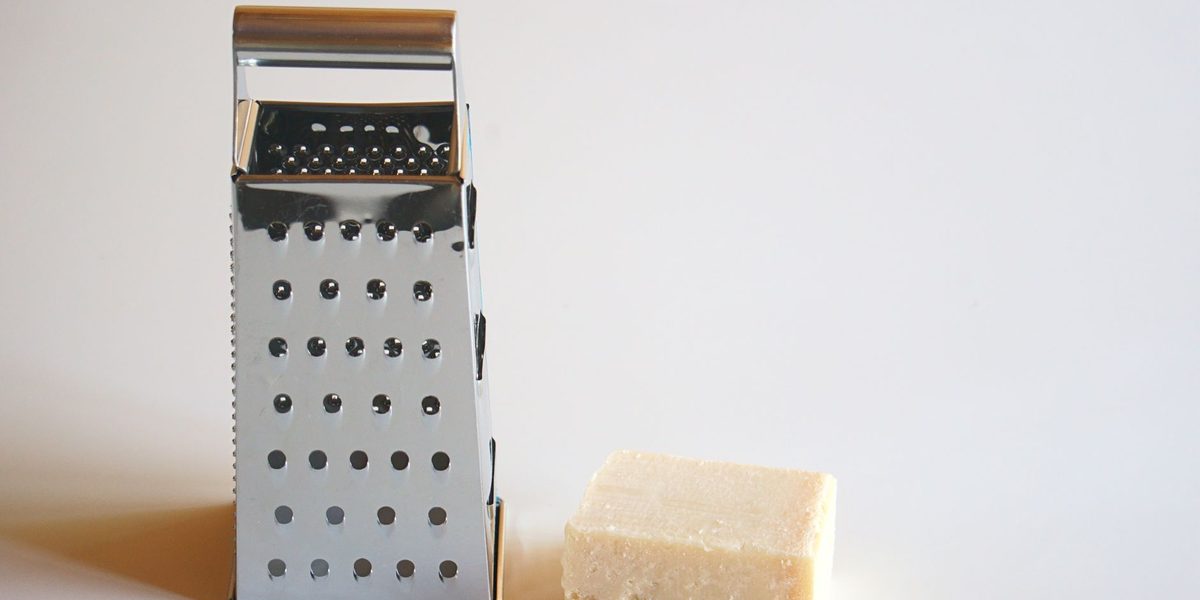
- Aged cheeses, with hard grating cheeses like parmesan among the most concentrated savory ingredients in any kitchen. Save the rinds for broths and soups.
- Mushrooms, particularly dried ones, whose soaking liquid becomes a savory broth in its own right.
- Fermented soy products: soy sauce, miso, and bean pastes, all of which pack decades of fermentation science into a spoonful.
- Cured and slow-cooked meats: bacon, prosciutto, sausages, and anything braised for hours.
- Anchovies and fish sauce, which dissolve into dishes and leave savoriness without any fishy flavor.
- Seaweed, especially kombu, the original umami discovery and the backbone of dashi.
- Others worth remembering: shellfish, green tea, peas and corn, yeast spreads, and deeply caramelized onions.
You may notice how many of these already function as flavor-boosting pantry staples in traditional cooking. Cooks discovered their power long before anyone could explain the chemistry.
Synergy: Why Combinations Multiply Savoriness
Here is the most useful piece of umami science, and the part most home cooks never hear. Glutamate is not working alone. Two other compound families, the nucleotides inosinate and guanylate, produce a dramatic synergistic effect. On their own they contribute relatively little. Combined with glutamate, they multiply the perceived savoriness far beyond simple addition, so the total effect is greater than what either source could deliver alone.
Inosinate is abundant in animal products, notably dried bonito flakes, other dried fish, cured pork, and meat generally. Guanylate is concentrated in dried mushrooms, particularly dried shiitake. Pair a glutamate-rich ingredient with a nucleotide-rich one and the dish gains a depth neither would produce on its own.
Classic cuisines are full of these pairings, arrived at by taste rather than theory: kombu with bonito flakes in dashi, tomato with parmesan in pasta sauce, mushrooms with beef in a stew, soy sauce with dried fish or meat in braises, cheese on a ham sandwich. Once you know the pattern, you can invent your own combinations. Adding dried mushroom powder to a beef braise, an anchovy to a tomato sauce, or a parmesan rind to a vegetable soup are all versions of the same move.
MSG, in Plain and Even-Handed Terms
Monosodium glutamate is simply the sodium salt of glutamate, produced commercially through fermentation much like vinegar or yogurt cultures. Chemically, the glutamate your tongue detects from MSG is identical to the glutamate in a tomato, in parmesan, or in soy sauce. Your taste receptors cannot tell the difference, because there is no difference to detect.
MSG acquired a difficult reputation decades ago from anecdotal reports of discomfort after certain meals. Extensive research since then has not supported the idea that it causes problems in the general population at normal culinary amounts, and food-safety authorities around the world broadly regard it as safe to eat. A small number of people report sensitivity to it, as people do with many foods, and anyone who notices a consistent reaction is entirely reasonable to avoid it and to raise the question with a health professional.
The even-handed way to think about MSG is as a seasoning, comparable to salt: useful, powerful, and easy to overdo. Practically, it contributes savoriness with less sodium than the equivalent hit of salt would require. Whether you keep it in the cupboard is a matter of preference, but the important insight is that you have been eating glutamate your entire life from ordinary foods, and it is not a foreign substance.
How to Layer Umami in Everyday Cooking
The practical skill is stacking small savory contributions rather than relying on any single one. A few habits pay off immediately:
- Brown things properly. Deep browning of meat, onions, and tomato paste builds savory complexity through cooking chemistry that works alongside umami.
- Keep a savory pantry. Soy sauce, miso, fish sauce, tomato paste, dried mushrooms, anchovies, and a hard aged cheese give you a savory boost within reach at all times.
- Pair across categories. Deliberately combine a plant-based glutamate source with an animal or dried-mushroom nucleotide source to trigger the synergy effect.
- Use the liquids. Mushroom soaking water, cheese rinds, and the brine from olives or capers all carry savoriness that usually gets poured down the drain.
- Season in small increments. Powerful ingredients like fish sauce and miso work best as background rather than foreground; add a little, taste, and add again.
- Remember vegetarian routes. Roasted mushrooms, caramelized onions, miso, seaweed, sun-dried tomatoes, and nutritional yeast build serious depth with no meat at all.
When a dish tastes flat but salty enough, the missing element is very often umami rather than more salt. Reaching for a savory ingredient instead of the salt shaker is a habit worth building.
Final Thoughts
Umami is the taste of free glutamate, unlocked by time, fermentation, drying, ripening, and slow cooking, and amplified dramatically when glutamate meets the nucleotides in dried fish and dried mushrooms. It is not a trick or an additive but a basic taste your tongue is built to notice. Learn the ingredients that carry it, learn the pairings that multiply it, and you gain a reliable way to make almost any savory dish taste more complete without adding a thing to the shopping list you did not already understand.