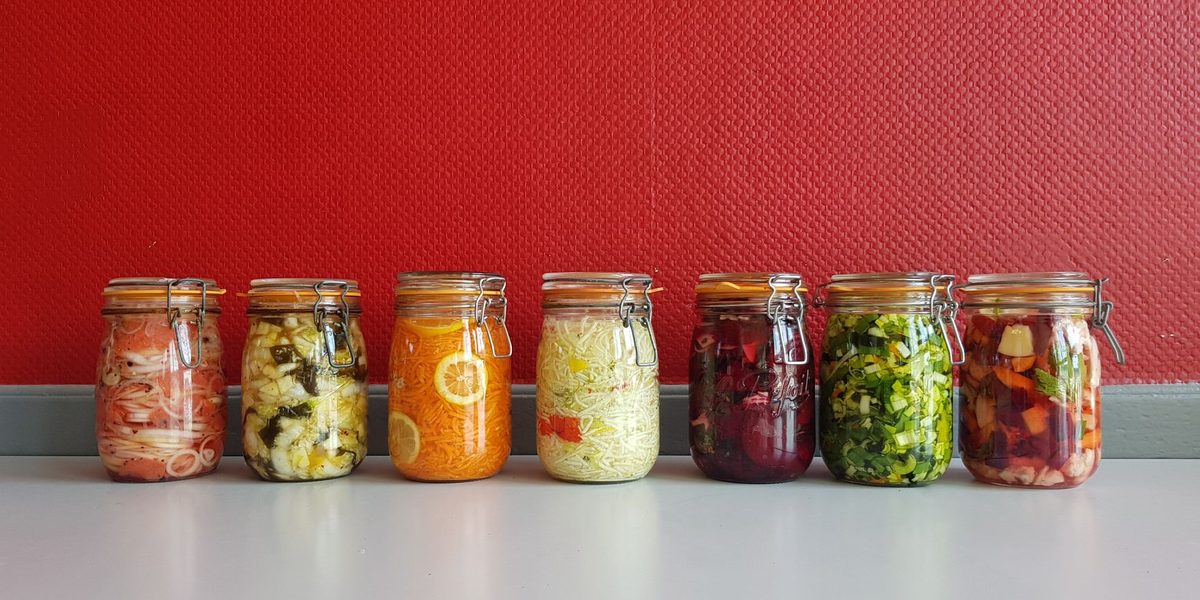
Fermentation is one of the oldest technologies humans have, and one of the least understood at the dinner table. Bread, yogurt, cheese, pickles, sauerkraut, kimchi, soy sauce, vinegar, chocolate, coffee, beer, and wine all pass through the hands of microorganisms before they reach you. In every case the underlying idea is the same: microbes eat part of the food and, in the process, transform it into something more flavorful, longer-lasting, or easier to digest. Once you understand what those microbes are doing, an entire category of cooking stops feeling mysterious and starts feeling like a craft you can practice. Let's unpack how it works.
What Fermentation Actually Is
At its simplest, fermentation is controlled microbial transformation. Bacteria, yeasts, or molds consume sugars and starches in a food and convert them into other compounds, primarily acids, alcohol, and carbon dioxide, along with a long list of aromatic byproducts. Unlike spoilage, which is uncontrolled microbial growth by whatever organism happens to arrive, fermentation is about creating conditions that favor helpful microbes and suppress harmful ones.
That last point is the whole art. A fermenting cook does not add flavor directly; instead, they build an environment, adjusting salt, temperature, moisture, and oxygen so that only the desired organisms thrive. The microbes then do the cooking. This is why fermentation is often described as gardening rather than manufacturing: you are cultivating a population, not following a mechanical process.
The two workhorses to know are lactic acid bacteria and yeast. Nearly every familiar ferment in a home kitchen is driven by one or the other.
Lactic Acid Fermentation: Sour, Crisp, and Alive
Lactic acid bacteria are naturally present on vegetables, on grains, and in milk. Give them sugar and a low-oxygen environment, and they produce lactic acid, which drops the pH and makes the surroundings too acidic for most spoilage organisms and pathogens to survive. That acidity is both the flavor and the preservation. It is why sauerkraut tastes tangy and why it keeps.
Sauerkraut is the clearest example of how little it takes: shredded cabbage, salt, and time. The salt draws out water to create a brine, discourages unwanted microbes, and keeps the cabbage crisp, while the lactic acid bacteria already on the leaves get to work. Kimchi follows the same logic with a richer supporting cast of seasonings, and traditional dill pickles are cucumbers fermented in a salt brine rather than simply soaked in vinegar. This distinction matters: many jarred pickles are quick-pickled in vinegar and never ferment at all, which is why they taste sharp but one-dimensional compared with a true fermented pickle.
Dairy runs on the same chemistry. Yogurt is milk fermented by specific bacteria that convert lactose into lactic acid; the rising acidity causes milk proteins to unwind and knit together, which is why yogurt sets into a soft solid. Cheese, buttermilk, sour cream, and crème fraîche are variations on that same acidification, followed by different choices about draining, aging, and added cultures.
Yeast Fermentation: Rise, Fizz, and Alcohol
Yeasts are single-celled fungi with a different appetite and a different output. They consume sugars and produce carbon dioxide and alcohol. Which of those two products you care about determines what you are making.
In bread, the gas is the prize. As yeast feeds on sugars in the flour, carbon dioxide inflates thousands of tiny pockets held in place by the dough's gluten network, and the loaf rises. Most of the alcohol simply bakes off in the oven. Fermentation also does something bakers prize even more than lift: it develops flavor. A dough fermented slowly, often in a cool place over many hours, tastes noticeably more complex than one rushed through a warm rise, because the extended time lets microbes produce a wider range of aromatic compounds. Sourdough takes this further by using a starter, a stable community of wild yeasts and lactic acid bacteria living together, which contributes both leavening and a distinct tang.
In brewing and winemaking, alcohol is the prize and the carbon dioxide is either vented off or captured for carbonation. The basic principle is unchanged: sugar in, alcohol and gas out, with yeast strain, temperature, and timing shaping the character of the result. Vinegar is the sequel to that story, produced when a second family of bacteria converts alcohol into acetic acid.
Why Fermented Foods Taste So Complex
Fermented flavor has a depth that no amount of stirring or seasoning can imitate, and there are concrete reasons why.
- Acidity brightens. Lactic acid provides a rounded, mellow sourness that makes everything around it taste more vivid, quite different from the sharp bite of straight vinegar.
- Proteins break into savory pieces. Microbes and enzymes split long proteins into amino acids, including glutamate, the compound responsible for savory umami depth. This is why aged cheese, soy sauce, miso, and fish sauce are so intensely savory.
- Starches become sweeter. Enzymes cleave starches into simpler sugars, adding subtle sweetness and body.
- Aromatics multiply. Fermentation generates dozens of volatile compounds, from fruity esters to earthy, nutty, and funky notes, layering aromas that never existed in the raw ingredient.
The result is food with several flavor dimensions at once: sour and savory and sweet and aromatic, which is exactly why a spoonful of miso or a forkful of kimchi can transform an entire dish.
Safety Basics for Fermenting at Home
Vegetable fermentation has a strong safety record because the process itself creates hostile conditions for harmful organisms, but that protection depends on doing a few things properly.
- Use enough salt. Salt is the gatekeeper in the early hours, favoring lactic acid bacteria over competitors. Follow a tested recipe's ratio rather than eyeballing it, and weigh your salt if you can.
- Keep everything submerged. This is the single most important rule. Lactic acid bacteria work without oxygen, while molds and yeasts that cause off flavors need air. Vegetables poking above the brine are the usual source of trouble, so use a weight, a folded outer leaf, or a fermentation lid to hold them under.
- Start clean, not sterile. Wash jars, utensils, and hands well with hot soapy water. You are not trying to eliminate all microbes, only to avoid introducing a competing crowd.
- Mind the temperature. Cool room temperature generally yields slower, better-tasting ferments; heat speeds things up and can produce soft, overly funky results.
- Let gas escape. Active fermentation produces carbon dioxide, so loosen lids daily or use an airlock so pressure does not build.
- Trust clear warning signs. A pleasant sour smell and cloudy brine with bubbles are normal and expected. Fuzzy or colorful mold, a rotten or putrid smell, or slimy texture means discard the batch and start again.
Fermenting low-acid foods, meats, or fish involves more complexity and risk, so those are best approached only with well-tested guidance. If you have a compromised immune system or a specific health condition, it is worth checking with a qualified professional before adding a lot of live-culture foods to your diet.
How to Start Simply
The easiest first project is a single vegetable in salt brine. Shred or slice cabbage, carrots, or radishes, salt them according to a tested recipe, pack them tightly into a clean jar so the brine rises above the vegetables, weight them down, and leave the jar on the counter out of direct sunlight. Taste after a few days and keep tasting until the sourness pleases you, then move the jar to the refrigerator, where cold slows the process to a crawl.
From there the door opens in every direction: yogurt made by culturing warm milk, a sourdough starter fed with flour and water, brined pickles, or a jar of hot sauce left to sour before blending. Each one teaches the same lesson from a different angle, which is that patience and a good environment do work that no burner can.
Final Thoughts
Fermentation is cooking with time and microbes instead of heat. Lactic acid bacteria give you sourness and preservation; yeasts give you rise and alcohol; both leave behind a depth of flavor that cannot be shortcut. Build the right environment with salt, submersion, cleanliness, and cool patience, and the transformation largely takes care of itself. Start with a single jar of cabbage, and you will understand more about food chemistry from watching it bubble than from any amount of reading.