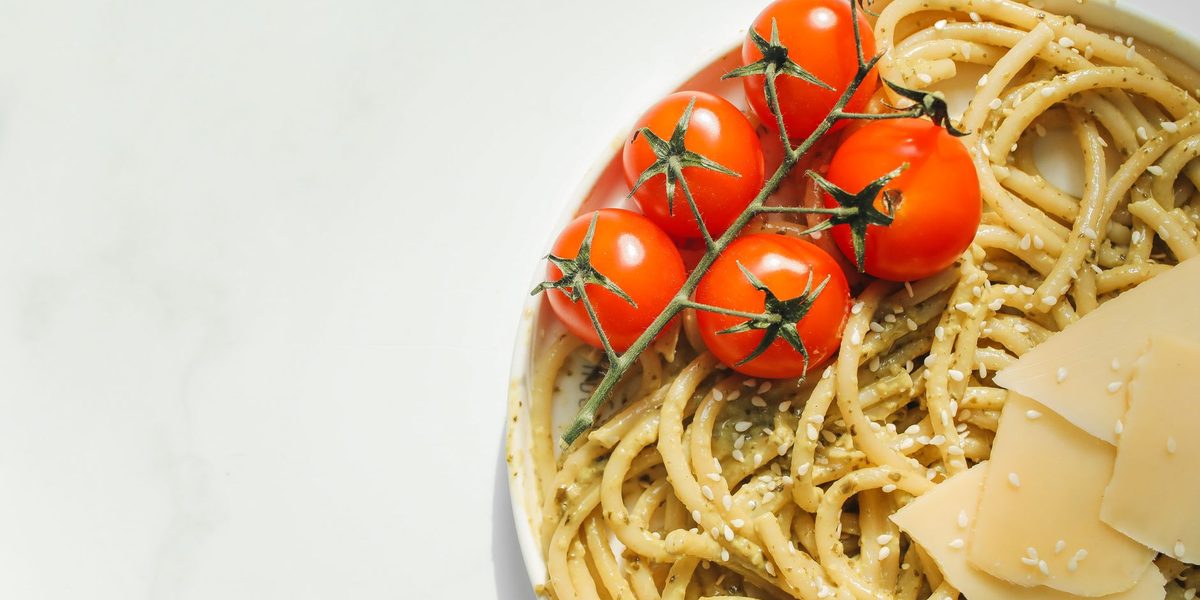
Italian food may be the most beloved cuisine on the planet, yet it is also one of the most misunderstood. Many cooks picture it as a single style — red sauce, pasta, lots of garlic — when in reality Italy is a patchwork of fiercely local traditions united by one governing idea: take a few excellent ingredients and get out of their way. Once you understand that principle and the handful of building blocks that support it, Italian cooking stops being a stack of recipes and becomes a way of thinking. This guide walks through the regional map, the pantry pillars, the aromatic base, the logic of pasta and sauce, and the structure of the meal itself.
One Country, Many Kitchens
Italy unified relatively late in its history, and its kitchens never fully merged. What we call Italian food is really a federation of regional cuisines, each shaped by local geography, climate, and history. A dish that is sacred in one region may be nearly unknown two hours down the road, and cooks defend their local versions with real passion.
The broadest dividing line runs north to south. The north — closer to the Alps, with rich pastureland — traditionally cooks with butter and cream, eats risotto and polenta as often as pasta, and favors slow braises, stuffed fresh pasta, and aged mountain cheeses. The south — sun-drenched, coastal, historically poorer — built its table on olive oil, dried pasta, tomatoes, seafood, and vegetables that thrive in heat. Neither is more authentic than the other. When you see a creamy, buttery rice dish and a bright tomato-and-oil pasta on the same menu, you are looking at two different Italys.
The Principle of Few, Excellent Ingredients
The deepest rule in Italian cooking is restraint. Classic dishes often contain shockingly short ingredient lists: pasta with tomato, olive oil, and basil; bread rubbed with garlic and drizzled with oil; veal with butter and sage. The logic is that every ingredient must earn its place and must be good enough to stand nearly naked.
This flips the usual home-cook instinct. Instead of rescuing mediocre ingredients with long ingredient lists and heavy seasoning, the Italian approach spends its effort upstream — choosing ripe tomatoes, fragrant oil, real cheese — and then does as little as possible to them. It also explains why Italian cooks are famously strict about combinations. The point is not snobbery; it is that when a dish has four ingredients, a fifth one changes everything, so additions are weighed carefully.
The Pantry Pillars
A small set of shelf-stable ingredients does an enormous share of the work in Italian kitchens, and understanding what each contributes tells you how the cuisine thinks about flavor.
- Olive oil is both cooking fat and finishing seasoning. Used in the pan, it carries aromatics; drizzled raw over a finished dish, it adds fruitiness, pepperiness, and richness. Treating it as a flavor, not just a lubricant, is a distinctly Italian habit.
- Parmesan-style aged cheese is a concentrated source of savory depth. Long aging breaks its proteins into compounds our tongues read as umami, which is why a dusting of hard cheese makes a simple pasta taste dramatically more complete. Even the rind earns a second life simmered into soups and broths.
- Tomatoes, fresh in season and canned or preserved the rest of the year, supply acidity, sweetness, and body all at once. A great tomato is practically a sauce by itself, which is why so many Italian sauces are little more than tomatoes, oil, and time.
- Anchovies are the cuisine's secret engine. Melted into warm oil at the start of a dish, they dissolve completely and leave no fishy taste — only a deep, savory backbone. Countless dishes people love owe their mysterious depth to an anchovy nobody can detect.
Add garlic, dried pasta, capers, olives, dried chiles, and a few herbs, and you have a pantry that can produce dinner on almost any night without a shopping trip. That resilience is not an accident; it grew out of generations of cooks making the most of what could be stored.
Soffritto: The Invisible Foundation
Watch an Italian cook start a ragù, a soup, or a braise, and the first move is almost always the same: finely chopped onion, carrot, and celery cooked slowly and gently in fat. This is soffritto, and it is the aromatic foundation beneath a huge share of the cuisine's savory dishes. The name comes from a word meaning to fry gently underneath — cooked below a sizzle, without browning, until the vegetables turn soft, sweet, and translucent.
What soffritto contributes is hard to point to and impossible to miss. The slow cooking drives off harshness, concentrates sugars, and builds a rounded, savory sweetness that makes everything layered on top taste deeper. Rushing it is the most common mistake: high heat browns the edges before the centers soften, producing a sharper, less harmonious base. Ten unhurried minutes at the start of a dish routinely does more for the final flavor than anything added at the end. The same idea appears across many cuisines under different names, which tells you it is not a recipe but a principle: flavor is built in stages, and the first stage matters most.
Why Pasta Shapes Match Sauces
Italy produces hundreds of pasta shapes, and the variety is functional, not decorative. Each shape is a tool engineered to carry a certain kind of sauce, and pairing them well is a matter of physics as much as tradition.
Long, thin strands like spaghetti suit smooth, clingy sauces — oil-based, tomato, or silky emulsions — that coat every surface evenly. Wide ribbons such as tagliatelle and pappardelle have the surface area and strength to carry rich, meaty ragù. Short tubes like rigatoni and penne trap chunky sauces inside their hollows, delivering sauce with every bite. Shells and curls cup small ingredients like peas or crumbled sausage. Twisted shapes hold pesto in their grooves. As a rule of thumb, the chunkier and heavier the sauce, the shorter and sturdier the pasta.
Two techniques complete the picture. First, pasta is cooked until al dente — tender but still firm at the center — because it finishes cooking in the sauce, absorbing flavor as it goes. Second, a splash of the starchy pasta cooking water is stirred in at the end. That cloudy water is a natural binder, helping oil and sauce emulsify into a glossy coating that clings instead of pooling. These two habits do more to make pasta taste restaurant-quality than any exotic ingredient.
The Shape of the Meal
The traditional Italian meal is a sequence rather than a single loaded plate. It may open with antipasto — small savory bites to wake up the appetite. The primo, or first course, is the starch: pasta, risotto, polenta, or soup, served in a modest portion. The secondo is the protein — meat or fish — accompanied by contorni, simple vegetable sides served separately. Then perhaps fruit, cheese, or a sweet, and a small strong coffee.
Everyday families rarely eat the full parade, but the structure still shapes how the food is designed. It explains why pasta portions in Italy look small to visitors: pasta is a course, not the whole dinner. It explains why sauces are applied sparingly — the pasta itself is meant to be tasted, not drowned. And it explains why vegetables are seasoned so simply, since they stand as their own course rather than competing on a crowded plate. Even if you serve everything at once at home, borrowing the mindset — moderate portions, each element allowed its own identity — changes how the meal feels.
Simplicity Is the Point, Not the Limitation
It is easy to look at a three-ingredient Italian dish and assume there must be a trick hiding somewhere. The trick is that there is no trick. The cuisine's confidence comes from technique applied to quality: knowing that slow soffritto builds sweetness, that starchy water binds a sauce, that aged cheese adds savoriness, that a final thread of raw olive oil adds perfume. Skill replaces complexity.
For a home cook, this is liberating. You do not need rare ingredients or elaborate procedures; you need slightly better core ingredients and a little patience at the right moments. Buy the best canned tomatoes and olive oil you can reasonably afford, keep a wedge of real aged cheese, take soffritto slowly, salt your pasta water generously, and finish the pasta in its sauce. Those habits alone will move your cooking noticeably closer to what you have eaten in a good trattoria.
Final Thoughts
Italian cooking rewards understanding more than memorization. Learn the north–south map, stock the pantry pillars, respect the soffritto, match your pasta to your sauce, and let a few excellent ingredients speak clearly. Once those building blocks are in place, recipes become suggestions — and you begin to cook Italian the way Italians actually do: simply, seasonally, and with conviction.