Walk down any grocery aisle and the packages practically shout at you: natural, organic, free-range, grass-fed, multigrain, made with real fruit, no added sugar. Some of these phrases carry real, enforceable meaning. Others are close to pure decoration, chosen because they test well with shoppers. The trick is that meaningful claims and marketing claims sit side by side on the same shelf, printed in the same cheerful fonts. This guide walks through the most common label claims one by one, explaining in plain terms what each phrase generally does and does not promise, so you can spend your attention, and your money, on the words that actually matter.
Organic: A Defined Standard
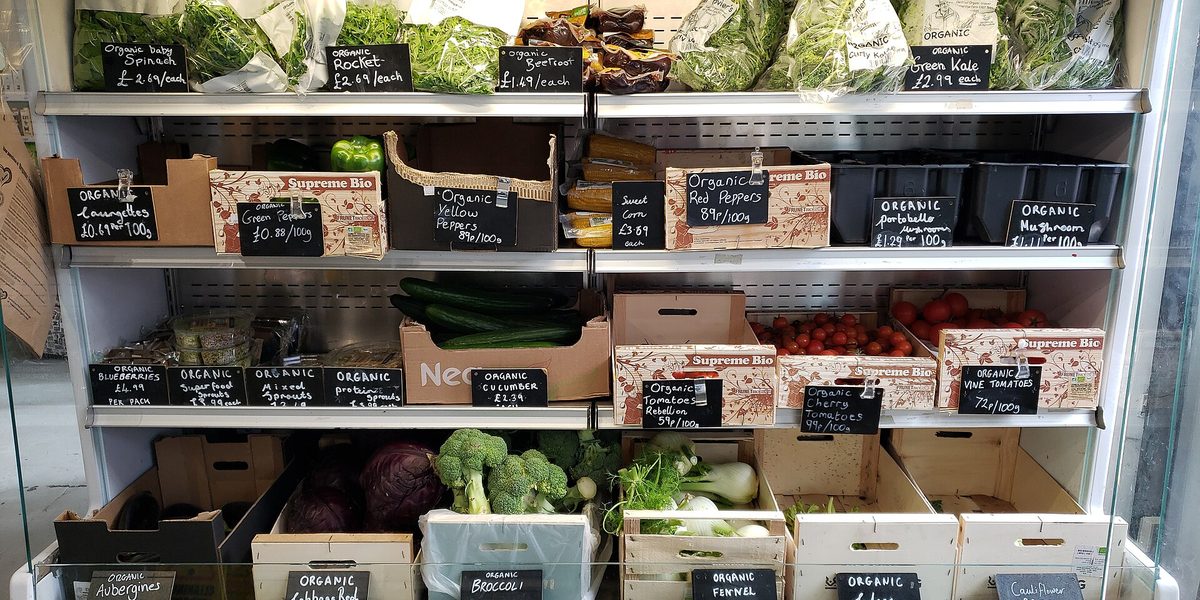
Organic is one of the more meaningful words on a package, because in most places it is a regulated term backed by certification. Broadly, it describes food grown and processed under rules that restrict synthetic pesticides and fertilizers, prohibit certain practices, and, for animal products, set requirements around feed and living conditions. Farms and processors are inspected against those rules, which is what separates organic from a mere slogan.
What organic does not automatically mean is just as important. It is not a claim about nutrition, and organic junk food is still junk food; organic cookies, chips, and candy are abundant. It also does not mean pesticide-free in an absolute sense, since certain approved substances may still be used. Treat organic as a statement about how food was produced, not a halo about how healthy it is. Note, too, that phrases like made with organic ingredients signal a partly organic product, a weaker claim than a fully certified one.
Natural: The Emptiest Word in the Store
Natural may be the most successful marketing word in food history precisely because it promises so little. In most contexts it has no strict, certified definition for general foods; it loosely suggests the absence of artificial flavors, synthetic colors, or certain added ingredients, and nothing more. It says nothing about how crops were grown, how animals were raised, how much sugar or salt is inside, or how heavily processed the product is.
A bag of candy can plausibly wear the word natural. So can heavily sweetened cereal and salty snack chips. When you see it, mentally translate it to this word tested well with focus groups and move your eyes to the ingredient list instead, which is where the honest information lives.
Eggs and Poultry: Cage-Free, Free-Range, Pasture-Raised
Egg cartons carry an entire vocabulary of their own, and the terms form a rough ladder rather than a set of synonyms. Cage-free generally means hens are not kept in cages, but it does not promise outdoor access; birds may still live in crowded indoor barns. Free-range typically adds some form of access to the outdoors, though the amount, quality, and actual use of that access can vary enormously; a small door to a bare yard can qualify. Pasture-raised is the strongest of the three in spirit, suggesting birds that spend real time outdoors on vegetated ground, and it is often paired with third-party certifications that audit the claim.
The practical takeaway: these words describe housing, not nutrition or flavor guarantees, and independent certification seals add credibility to any of them. If animal welfare drives your purchase, pasture-raised with a respected third-party seal is the claim that most closely matches the picture on the carton.
Grass-Fed and Non-GMO
Grass-fed, seen on beef and dairy, means the animal's diet was based on grass and forage rather than grain. The wrinkle is the difference between mostly grass-fed and entirely grass-fed: some animals eat grass for much of their lives and are finished on grain, while 100 percent grass-fed indicates forage throughout. The claim speaks to the animal's diet and often to a different flavor and fat character in the meat; it is not by itself a welfare or organic claim, though it frequently travels alongside them.
Non-GMO labels indicate a product avoids genetically modified ingredients, often verified by a third-party program. Here is the part worth knowing: only a modest number of crops are commonly grown in genetically modified forms. That means a non-GMO label on foods that never had a genetically modified version anyway, like most fruits and many vegetables, is technically true but practically meaningless, the equivalent of labeling water fat-free. The claim is informative on products containing corn, soy, and similar ingredients, and mostly decorative elsewhere.
Whole Grain, Multigrain, and the Bread Aisle
The bread aisle rewards a careful reader. Whole grain means the grain retains all three of its natural parts: the fiber-rich bran, the nutrient-dense germ, and the starchy endosperm. That is a genuinely meaningful description, because refined flour keeps only the endosperm. Multigrain, by contrast, means only that more than one type of grain is present; all of them can be refined. Seven refined grains are still refined. Similarly, wheat bread simply means bread made from wheat, which describes nearly all bread, and a toasty brown color can come from added coloring rather than whole grains.
The reliable move is to ignore the front of the bag and read the first ingredient. If it names a whole grain first, such as whole wheat flour or whole oats, the loaf is substantially whole grain. If the first ingredient is simply flour or enriched flour, the front-of-package language is doing heavy lifting.
Made With Real Fruit and Other Fraction Claims
Made with real fruit, made with real cheese, made with whole grains: these phrases are technically true statements that conceal a question of quantity. A gummy snack can be made with real fruit while containing only a splash of juice concentrate amid sugar and starch. The claim tells you an ingredient is present, not how much of it is present.
Ingredient lists are ordered by weight, from most to least, and that ordering is your lie detector. If the real fruit sits near the end of the list, behind several forms of sugar, the phrase on the front is decoration. As a general rule, any front-of-package claim that celebrates one ingredient should send you straight to the back of the package to find out where that ingredient actually ranks.
No Added Sugar, Sugar-Free, and Serving-Size Games
No added sugar means no sugars were added during processing, but the food can still be naturally high in sugar; fruit juice is the classic example, sweet as soda without a gram added. Sugar-free means essentially no sugar of any kind, which usually implies sweeteners are doing the work instead. Reduced sugar only means less than the regular version, which may still be plenty. None of these phrases means low-calorie or healthy on its own.
Finally, watch the serving size, the quietest trick on the panel. All the numbers on a nutrition label describe one serving, and a serving can be defined smaller than what anyone actually eats: half a muffin, a handful of chips, a fraction of the bottle. A label boasting modest calories or sugar per serving can describe a package most people finish in one sitting. Check how many servings the package claims to contain and multiply honestly. Small print about serving counts changes the meaning of every other number on the label.
Final Thoughts
Label claims fall into a simple hierarchy. Certified, audited terms like organic, 100 percent grass-fed, and pasture-raised with a third-party seal carry real weight. Structural descriptions like whole grain as a first ingredient are trustworthy if you verify them. Loose, feel-good words like natural, multigrain, and made with real anything are marketing until proven otherwise. The two most honest parts of any package remain the ingredient list and the nutrition panel, read with an eye on serving size. Learn to flip the box over, and the front can shout whatever it likes.