Ask a professional cook what separates restaurant food from home cooking and the honest answer is usually not fancy equipment or secret ingredients — it is salt, used earlier, more confidently, and more thoughtfully. Salt is the only ingredient that appears in virtually every recipe, sweet or savory, yet most of us were taught almost nothing about how it actually works. It does far more than make things taste salty: it reshapes proteins, moves water, tames bitterness, amplifies aroma, and even changes texture. Understanding those jobs is one of the fastest ways to become a better cook, so let's walk through what salt is really doing in your food.
Salt Doesn't Just Add Flavor — It Unlocks It
The most surprising thing about salt is that its main job is not tasting like salt. In moderate amounts, salt intensifies other flavors: it makes tomatoes taste more like tomatoes, chocolate more chocolatey, and broth more savory. It works partly by suppressing bitterness — salted grapefruit or salted coffee genuinely tastes less bitter, because salt interferes with our perception of bitter compounds. With bitterness quieted, sweetness and savory depth step forward.
Salt also boosts aroma release, and since most of what we call taste is actually smell, food that is properly salted simply smells more of itself as we eat it. This is why an unsalted soup tastes flat and watery even when it is full of good ingredients — the flavors are present but muffled. The old test holds: season gradually, tasting as you go, until the flavor suddenly blooms. That bloom, not saltiness, is the target.
What Salt Does to Proteins
Beyond flavor, salt physically changes meat. Given time, salt migrates into muscle and loosens the structure of its proteins, allowing them to hold on to more moisture during cooking instead of wringing it out. This is the entire principle behind brining. A turkey soaked in salted water, or a chicken salted generously the day before roasting, cooks up noticeably juicier and more evenly seasoned than one salted at the last minute.
Dry brining — simply salting meat well in advance and letting it rest uncovered in the refrigerator — has become the favored technique for many cooks, and for good reason. The salt first draws moisture to the surface, then that salty liquid is reabsorbed, carrying seasoning deep into the meat, while the surface dries out beautifully for better browning. Wet brines add moisture but can dilute flavor and leave skin soggy; dry brines concentrate it. Either way, the lesson is identical: salt needs time to do its best work on meat, so season hours ahead when you can, and days ahead for large roasts and poultry.
Salt and Water: The Osmosis Story
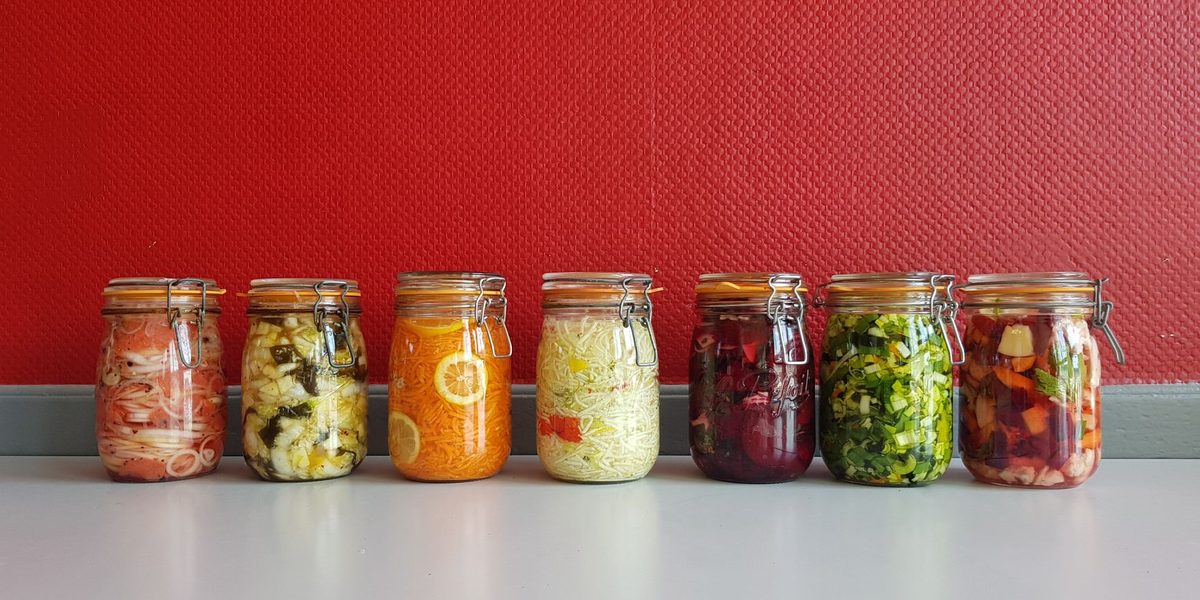
Salt moves water, always in predictable directions. Sprinkle it on cut vegetables and it pulls moisture out of their cells — which is exactly what you want when preparing cucumbers or cabbage for slaws and salads, since drawing water out first keeps the finished dish crisp instead of weepy. The same principle firms up eggplant, seasons and softens shredded vegetables for quick pickles, and cures fish for gravlax-style preparations.
The direction of travel depends on concentration: water flows toward the saltier side. This single idea explains a surprising range of kitchen practices, from why heavily salted cures preserve food (they pull water out of spoilage microbes too) to why beans and grains cook up better seasoned when salt is in the pot from the start, given time to travel inward rather than sitting on the surface.
When You Salt Matters as Much as How Much
Timing is the most underrated dimension of seasoning. Salt added early has time to penetrate, dissolve, and integrate; salt added late sits on the surface and announces itself. Neither is wrong — they are different tools.
- Well before cooking: meats and poultry benefit from hours or a day of lead time; beans, stocks, and braises want seasoning from the beginning so it permeates.
- During cooking: season in layers, salting onions as they sweat, pasta water as it boils, and sauces as they build. Small corrections along the way beat one big correction at the end.
- At the end: delicate items and quick sautés get salted just before or after cooking; finishing salt on a sliced steak or ripe tomato provides bursts of flavor and crunch.
- Exceptions: salt mushrooms after they brown (early salting draws water and delays browning), and go gently on sauces you plan to reduce, since evaporation concentrates saltiness.
Not All Salt Measures the Same
One of the great hidden traps in recipes is that different salts occupy wildly different space for the same weight. Fine table salt packs densely; coarse kosher-style salt is fluffy and airy, so a spoonful can contain barely half as much actual salt. Follow a recipe written for one style using another and you can easily double or halve the intended seasoning.
The practical solutions are simple. Pick one everyday salt and get to know it — most cooks favor a coarse kosher-style salt because its large crystals are easy to pinch, distribute evenly, and hard to overdose. Keep a crunchy flaky salt for finishing, where texture is the point. Treat fine table salt and fine sea salt as roughly interchangeable, but halve the volume when substituting them into recipes written for coarse salt. And when precision matters, as in baking and brining, trust weight or taste over spoons.
Salt in Baking, Pasta Water, and Everywhere Else
Salt earns its place in sweet recipes as more than tradition. In bread, it tightens gluten, giving dough strength and structure, and it moderates yeast so fermentation proceeds at a controlled pace — saltless bread is both bland and slack. In cookies and cakes, it balances sweetness and sharpens flavors like vanilla, chocolate, and caramel. A pinch in coffee or cocoa softens bitter edges.
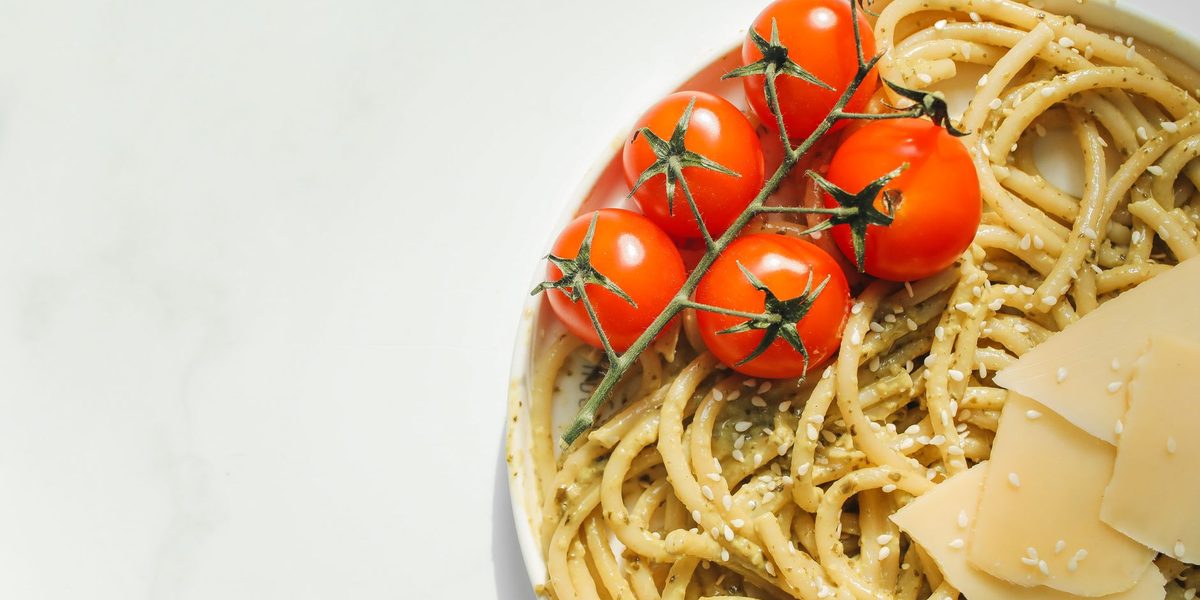
Pasta water deserves its reputation: it is the only chance to season the noodle itself, and pasta cooked in well-salted water tastes complete in a way that surface-sauced pasta never does. The water should taste pleasantly seasoned, like a well-made soup. Season blanching water for vegetables with the same logic. Salting from a height, a habit you will notice in professional kitchens, is not showmanship — the extra distance scatters crystals into a more even layer.
Learning to Season with Confidence
The skill that ties all of this together is tasting. Season a little, taste, adjust, and taste again; your palate is a better instrument than any measuring spoon. Undersalted food tastes dull and hollow, properly salted food tastes vivid, and oversalted food announces itself with harshness — the window is wider than beginners fear. If you do overshoot, dilution is the honest fix: more unsalted liquid, more of the base ingredients, a splash of cream, or an acidic brightener to shift attention. The potato-absorbs-salt trick is mostly myth; a potato absorbs salty liquid, not salt itself.
As with all things dietary, individual needs differ, and anyone managing their sodium intake should follow the guidance of their own health professional. Within your own kitchen, though, learning to salt food properly usually means seasoning more thoughtfully, not simply more heavily — and food seasoned well during cooking often needs less salt overall than bland food rescued at the table.
Final Thoughts
Salt is the most powerful ingredient you own: a flavor amplifier, a bitterness tamer, a protein transformer, a moisture manager, and a texture builder, all in one inexpensive crystal. Season earlier than feels natural, in layers rather than all at once; give meat time to absorb it; salt your cooking water like you mean it; and taste relentlessly. Master this one ingredient and everything else you cook — from a simple fried egg to a holiday roast — immediately gets better.