The thermostat is the smallest component of a home's heating and cooling system and the only one most people ever touch. It is also the most misunderstood. People treat it like a throttle, crank it like a volume knob, argue over it like a family heirloom, and rarely learn what it actually does: make a simple yes-or-no decision, over and over, all day long. Understanding that decision, and the handful of concepts wrapped around it, explains most thermostat mysteries and settles a few household debates for good.
What a Thermostat Actually Does
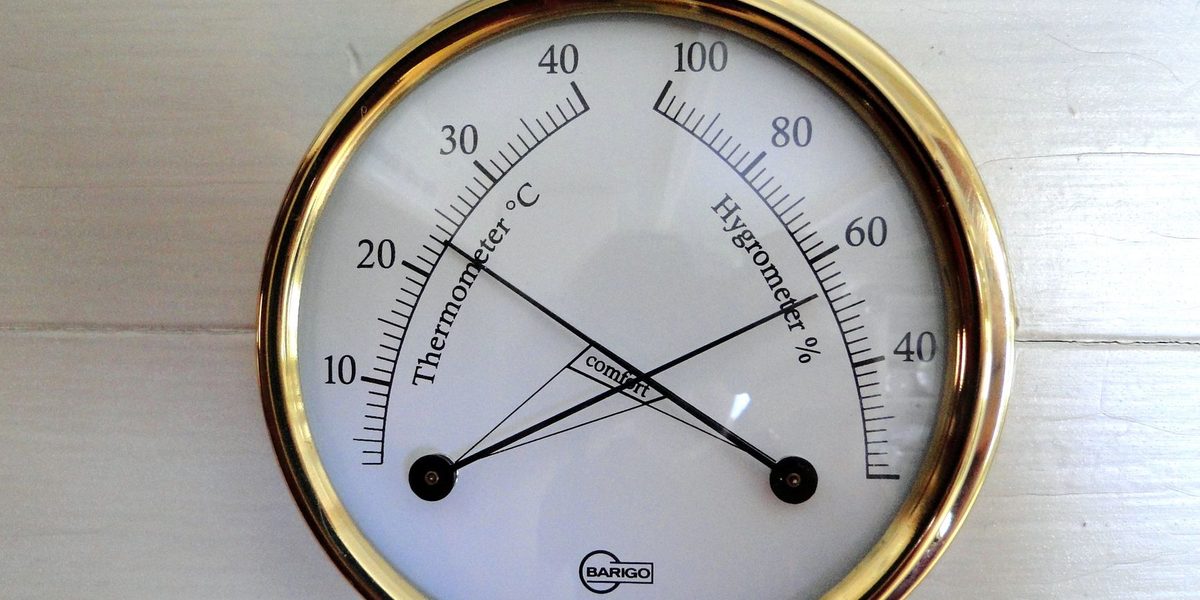
A thermostat is a switch controlled by temperature. It measures the air around itself, compares that reading to the setpoint you chose, and turns the heating or cooling equipment on or off accordingly. That is the whole job. Older models did it mechanically, with a coiled strip of two bonded metals that curled as temperature changed until it tipped a switch. Modern ones do it electronically with a sensor and a small computer, but the decision is the same: too cool, call for heat; warm enough, stop.
The most important consequence is this: the thermostat controls when the system runs, not how hard. In most homes the furnace or air conditioner has essentially one speed, so setting the thermostat higher does not produce hotter air or faster heating. It only changes the finish line. A house set to a warmer target warms at exactly the same rate as before; it just keeps running longer. The volume-knob instinct, cranking the setpoint to warm up faster, does nothing but overshoot the temperature you actually wanted.
Cycles, Swing, and Why the System Starts and Stops
Watch a thermostat over an hour and you will see the system breathe: on for a stretch, off for a stretch. This is cycling, and it is deliberate. A thermostat does not hold temperature to a razor's edge; it allows a small drift around the setpoint, called the swing or differential, typically a degree or so in each direction. Heat runs until the room slightly overshoots, rests until it slightly undershoots, and repeats.
The swing is a compromise between comfort and equipment wear. A tighter swing holds temperature more evenly but forces rapid short cycles, and starting up is the hardest moment in most equipment's life, much as city driving wears a car faster than highway miles. A looser swing means longer, gentler, more efficient cycles at the cost of slightly more noticeable temperature drift. Many digital thermostats let this be adjusted, which is worth knowing if your system seems to fire up every few minutes or lets rooms wander too far.
The Setback Question: Does Turning It Down Really Save?
The most durable thermostat debate is whether lowering the setpoint at night or while away actually saves energy, or whether reheating the house eats the savings. The physics gives a clear answer: setbacks save. A home loses heat in proportion to the temperature difference between inside and outside. Every hour the house sits cooler, that difference is smaller, so it leaks less heat, and the furnace replaces less. The recovery in the morning repays some of that, but never all of it, because the hours of reduced loss are real and already banked.
The same logic runs in reverse for cooling: a warmer house absorbs less heat all afternoon. The deeper and longer the setback, the larger the effect, which is why the strategy shines for workdays and vacations. The main caveats are practical rather than physical: very old or humid homes may have comfort reasons to limit swings, and one major equipment type changes the calculus entirely, which brings us to heat pumps.
Heat Pump Homes: Why the Rules Change
Heat pumps heat efficiently by moving heat rather than making it, but many systems pair the heat pump with a backup resistance heater, essentially a giant toaster, for moments when demand outruns the heat pump's pace. That backup is dramatically more expensive to run. Here is the trap: a big morning setback recovery looks exactly like such a moment. Demand a fast several-degree climb and many thermostats summon the backup heat, spending more than the setback saved.
This is why heat pump owners get different advice: modest setbacks or steady settings, and thermostats designed for heat pumps, which recover gradually or intelligently to keep the backup asleep. If your thermostat has an auxiliary or emergency heat indicator, learning what makes it light up is one of the more financially useful bits of homework a homeowner can do. It is also a perfect example of the general rule that the right thermostat strategy depends on the machine behind the wall.
Placement: Why the Thermostat's Address Matters
A thermostat can only sense the air touching it, so its location is effectively a decision about which air the whole house is managed for. Ideally that is a central hallway wall at a moderate height, away from anything that would bias the reading. When the location is wrong, the whole home compensates around a lie:
- Sunlight striking the thermostat convinces it the house is warm, chilling every other room.
- Nearby heat sources, lamps, electronics, kitchen ranges, do the same on a smaller scale.
- Drafts or exterior doors flush it with cold air and trigger needless heating.
- A supply vent blowing on it short-circuits the cycle, telling the system its job is done moments after it starts.
Rooms far from the thermostat, or with very different sun and insulation, will always drift from the setpoint, which is the honest explanation for many too-hot-upstairs complaints: the system is not failing, it is faithfully serving a sensor that lives somewhere else. Upper floors also collect rising warm air and often more sun, compounding the drift. Remote sensors, which newer thermostats support, exist precisely to widen what the system can see.
Programmable and Smart: What the Features Actually Do
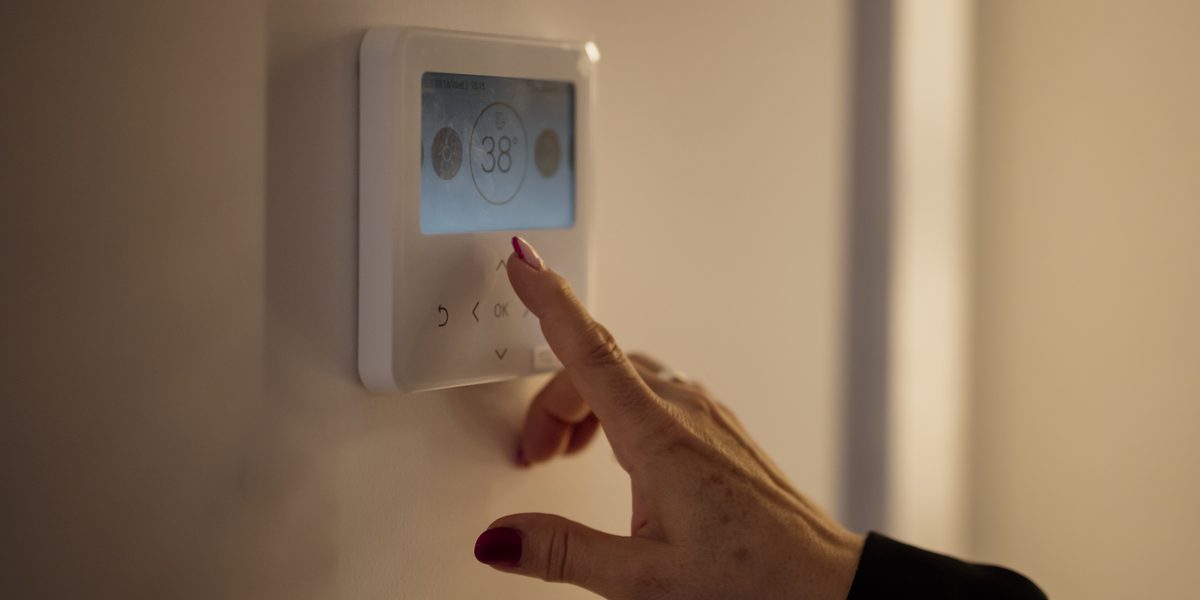
A programmable thermostat automates the setback logic on a schedule: weekday mornings, workday absences, evenings, and nights each get a target, so the savings happen without anyone remembering. Its weakness is famous: schedules that never get set, or that no longer match the household's actual rhythms and routines, quietly waste the entire feature. Smart thermostats attack that weakness by learning patterns, noticing occupancy, using phone locations, and checking weather, then writing and rewriting the schedule themselves. Many also report runtime history, which is a genuinely useful diagnostic: a system running noticeably longer than last season for the same weather is telling you something about filters, refrigerant, or insulation.
The honest framing is that smart models do not save energy by magic; they save by executing the same setback physics more consistently than humans do, and by adding recovery intelligence, especially valuable with heat pumps. A household with disciplined habits and a simple programmable unit captures most of the same benefit. The feature that truly matters, in the end, is not the app; it is the consistency it enforces.
Final Thoughts
A thermostat is a promise-keeping switch: hold this temperature, using the least drama possible. Once you know that it controls when rather than how hard, that cycling and swing are design rather than defect, that setbacks genuinely save except where backup heat lurks, and that placement decides whose comfort gets measured, the little dial becomes legible. Set it with intention, put it somewhere honest, match the strategy to the equipment, and the smallest device on the wall will quietly run the biggest machines in the house exactly the way you meant it to, cycle after uneventful cycle.