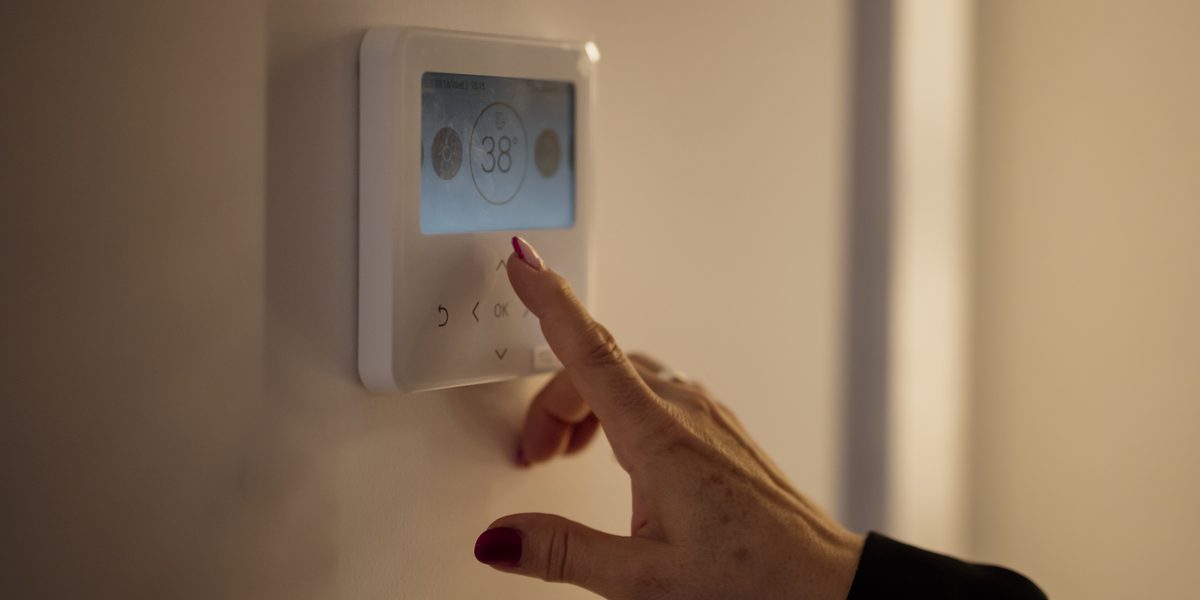
Ask people what makes a home comfortable and nearly everyone answers with a temperature. But two rooms at exactly the same reading on the thermostat can feel completely different: one crisp and pleasant, the other clammy or parched. The missing variable is humidity, the amount of water vapor riding along in the air. Humidity shapes how warm you feel, how your skin and sinuses behave, how your furniture ages, and whether mold finds your home hospitable. Understanding it is one of the highest-value lessons in all of home ownership, and it starts with one slightly slippery concept.
Relative Humidity, in Plain Language
The number you see on a hygrometer or weather report is relative humidity, and the word relative is doing all the work. Air can hold water vapor, and how much it can hold depends on its temperature: warm air has far more capacity than cold air. Relative humidity expresses how full the air is compared to what it could hold at its current temperature. Fifty percent means the air is carrying half of its maximum load.
This is why the same amount of moisture reads differently as temperature changes. Take humid air and warm it up, and the relative humidity drops, because the air's capacity grew while the actual moisture stayed the same. Cool that air down and relative humidity climbs, until at some temperature, called the dew point, the air is completely full and moisture must condense out as liquid. Every foggy window, sweating pipe, and damp basement wall in your home is this single principle playing out on a surface that happens to be cold.
Why Humidity Changes How Warm You Feel
Your body cools itself by evaporating moisture from your skin, and evaporation works best into dry air. In humid air, that cooling slows down, so a warm room feels warmer and stickier than the thermostat suggests. In very dry air, the opposite happens: moisture evaporates readily, pulling heat from your skin, so the same temperature feels cooler and your skin, eyes, and throat may feel it too.
This has a practical consequence people rarely exploit: managing humidity can make a home feel comfortable at temperatures that would otherwise feel wrong. Air that is appropriately humid in winter feels warmer than bone-dry air at the same setting, and drier summer air feels cooler than muggy air. Comfort, it turns out, is a two-dial system, and most homes only actively control one of the dials.
Where Indoor Moisture Comes From
A home generates a surprising amount of water vapor from the inside. Everyday life is a steady moisture engine, and it helps to know the main contributors:
- Bathing and showering, which release warm vapor that spreads well beyond the bathroom if it is not exhausted.
- Cooking, especially boiling and simmering, which adds moisture along with heat.
- Laundry, particularly air-drying clothes indoors or a dryer that is not vented outside.
- People and pets, who continuously exhale and evaporate moisture just by existing.
- The ground beneath the house, which can push vapor up through basements and crawl spaces year-round.
None of these is a problem by itself. The trouble begins when moisture is produced faster than the home can carry it away, which is why kitchens, bathrooms, and basements are where humidity problems make their first appearance.
The Seasonal Swing: Dry Winters, Muggy Summers
Indoor humidity follows an annual rhythm driven by the outdoors. In winter, cold outside air holds very little moisture, and when that air leaks in and is heated up, its relative humidity plummets. This is why heated homes in cold climates get so dry: static shocks, cracking woodwork, dry skin, and gaps opening in hardwood floors are all symptoms of the same seasonal drought. It is not the furnace removing moisture; it is dry air being warmed until it is thirsty.
Summer reverses the problem. Warm outdoor air arrives loaded with moisture, and the home's job becomes shedding water rather than adding it. Air conditioners quietly do double duty here: as air passes over their cold coil, moisture condenses out and drains away, which is why the air conditioner is the biggest dehumidifier most homes own. It is also why an oversized air conditioner can leave a house cool but clammy, since it cools the air so quickly that it shuts off before it has had time to wring much water out.
Spring and fall bring their own quirks. Mild weather means neither the furnace nor the air conditioner runs much, so the home loses its accidental humidity management and simply drifts with the outdoors. A stretch of rainy, mild days can push indoor humidity surprisingly high with no equipment running at all, which is why basements often smell mustiest in the shoulder seasons. Knowing this rhythm helps you interpret what you feel: a clammy house in April is not broken, it is just unmanaged.
Condensation: Humidity Making Itself Visible
Condensation is the moment humidity crosses from invisible to visible, and its location is diagnostic. Fog on the inside of windows in winter means indoor air is humid enough to hit its dew point against the cold glass; the coldest surfaces in the room are acting as moisture detectors. Sweating cold-water pipes and toilet tanks in summer tell the same story with the seasons reversed. Damp patches high on closet walls, mustiness behind furniture pushed against exterior walls, and clouding between window panes each point to specific combinations of moisture and cold surfaces.
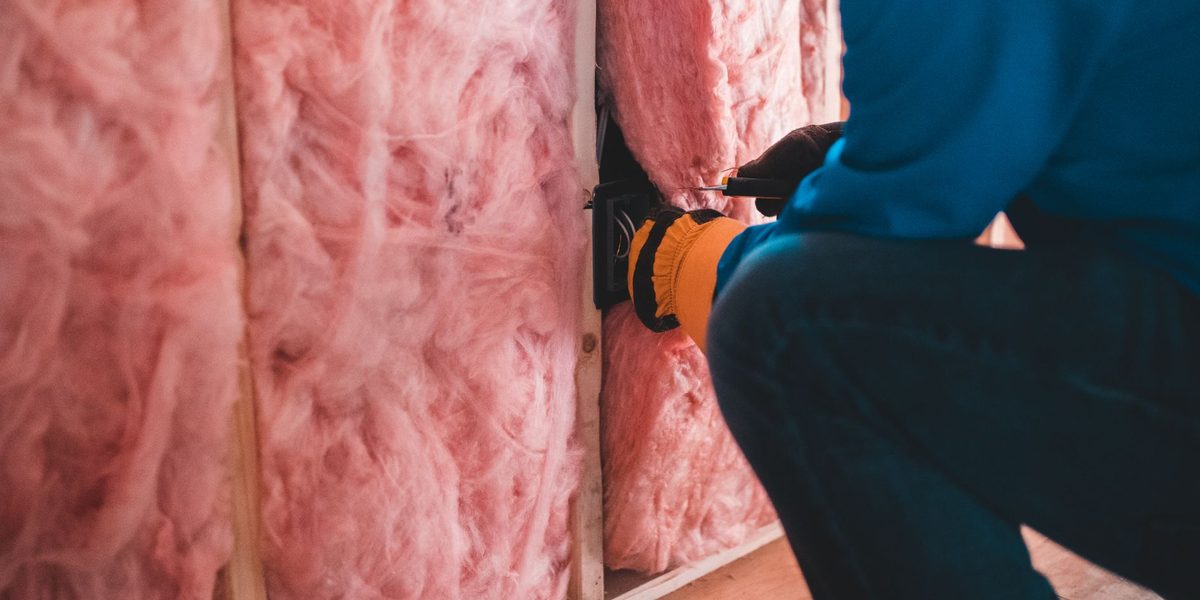
The useful mental shift is to treat condensation as information rather than mere annoyance. Persistent moisture on a surface means that surface is regularly below the dew point of the air touching it, and sustained wetness is exactly what mold, mildew, rot, and peeling paint need to get started. The fix is always some mix of the same two levers: lower the moisture in the air, or warm the surface, often by improving insulation or air circulation around it.
Humidifiers and Dehumidifiers, Conceptually
The two appliances that manage humidity directly are mirror images. A humidifier adds vapor to dry air, either by evaporating water from a wick, spinning it into a fine mist, or boiling it into steam; whole-home versions attach to the heating system and treat the entire house. A dehumidifier does the reverse using the same trick as an air conditioner: it pulls air across a cold coil so moisture condenses into a collection tank or drain, then reheats the air slightly and returns it to the room.
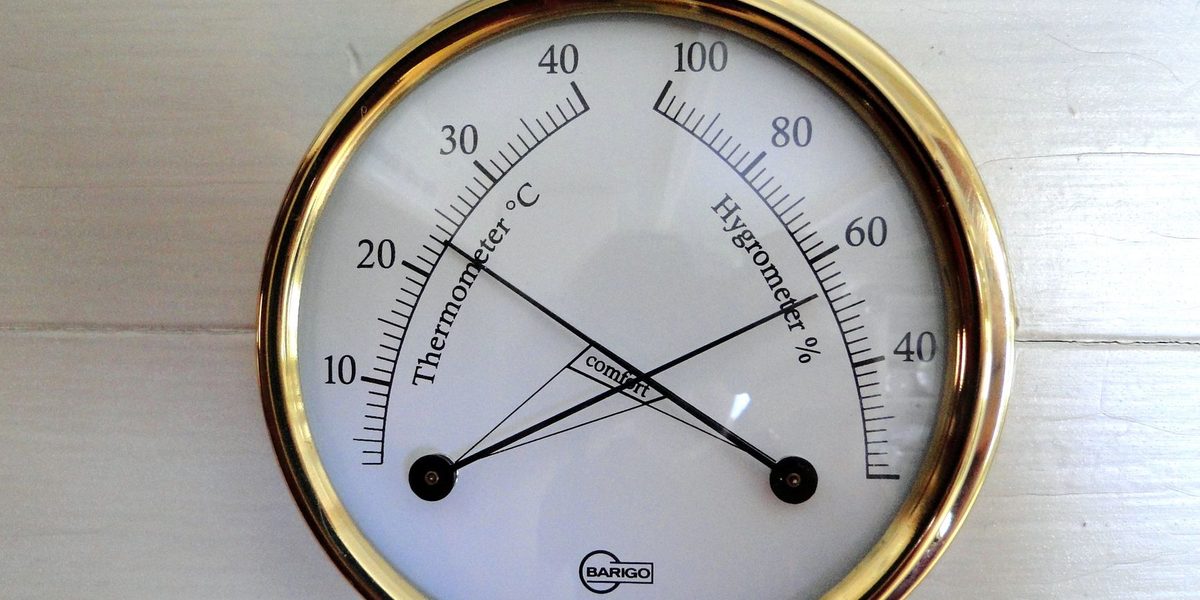
Both tools reward moderation and measurement. Aggressive humidification in winter simply relocates the problem, pushing moisture into cold window frames and wall cavities where it condenses out of sight. Aggressive dehumidification wastes energy chasing the last few percentage points. An inexpensive hygrometer, or several placed around the house, turns the whole exercise from guesswork into a readable number, and most homes aim for a moderate middle range that keeps both the dry-air symptoms and the damp-air symptoms away. If humidity stays extreme despite these tools, the root cause is usually ventilation, insulation, or water intrusion, which is territory for a professional.
Final Thoughts
Humidity is the quiet half of home comfort, the variable that explains why identical temperatures can feel cozy, clammy, or parched. Once you understand relative humidity and the dew point, the mysterious behaviors of a house resolve into one simple pattern: moist air meeting cold surfaces. Watch the windows, notice the seasons, put a number on the air with a basic hygrometer, and you will find that the second dial of comfort was within reach all along.