Every house moves. The idea can be unsettling the first time you really absorb it, but it is simply true: the ground beneath a home shifts, the materials inside it swell and shrink, and the structure flexes in response, year after year. Most of this movement is harmless, and much of it is completely predictable once you understand what drives it. The goal of this explainer is not to make you anxious about every hairline crack, but the opposite: to help you read the ordinary language of a settling house calmly, and to recognize the much rarer signals that genuinely deserve a professional's eyes.
What Settling Actually Is
A house is heavy, and it rests on soil, which is not the rigid platform we imagine but a compressible material full of air, water, and organic matter. When a house is built, its weight begins pressing the soil beneath it into a denser state, and the structure eases downward, usually by a small and fairly uniform amount, over the first years of its life. This early, gentle compression is settling in the classic sense, and builders expect it. The framing accommodates it, small gaps open at trim joints, a few hairline cracks appear at drywall seams, and then the house largely finds its equilibrium.
The movement that matters is differential settlement: when one part of the foundation sinks more than another. A house sinking evenly is like a boat lowering in the water, barely noticeable. A house sinking unevenly is being twisted, and twisting is what cracks foundations, racks door frames out of square, and slopes floors. Nearly every serious structural symptom traces back to one part of the soil behaving differently from the rest.
The Soil Beneath the House
Soils vary enormously in how they carry weight. Sand and gravel drain well and compress quickly, then stay put. Clay is the troublemaker: many clay soils are expansive, meaning they swell when wet and shrink when dry, and the change can be dramatic enough to lift and drop a foundation across seasons. Silt and organic soils compress slowly over long periods. Many homes sit on a patchwork, cut on one side and filled on another to level the lot, and fill that was not compacted well keeps compressing for years, creating exactly the uneven support that causes differential movement.
Water is the other half of the soil story. Soil that is alternately soaked and dried cycles through swelling and shrinking, and soil that is washed away by poor drainage simply stops supporting its share of the load. This is why so much foundation advice is really drainage advice: gutters, downspout extensions, and ground that slopes away from the house all exist to keep the moisture level of the soil around the foundation as steady as possible. A large tree close to the house adds its own influence, drawing significant moisture from clay soil in dry spells and increasing the shrink side of the cycle. Cold climates add one more force: frost heave, in which freezing soil expands and lifts anything resting on it. This is precisely why foundations are dug below the local frost depth, so the footing sits on ground that never freezes, while shallow structures like porches, stoops, and sidewalks, which often sit above that line, visibly rise and fall with the seasons.
Wood: A Material That Never Stops Moving
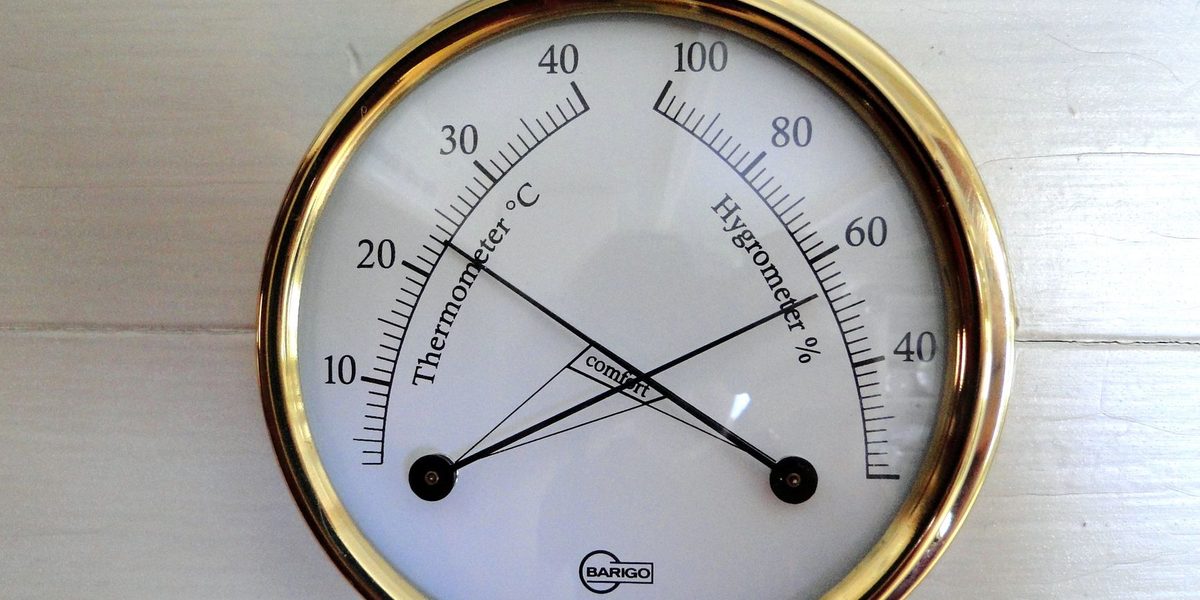
Even if the soil were perfectly still, the house itself would move, because wood responds to humidity all its life. Wood absorbs moisture from humid air and swells, then releases it to dry air and shrinks, mostly across the grain rather than along it. In practice this means framing lumber, floorboards, trim, and doors are all subtly changing dimension between summer and winter. A door that sticks in humid weather and glides in the heating season is not broken; it is breathing. New homes make an additional one-time journey as construction lumber, installed with higher moisture content, dries to indoor conditions during the first heating seasons and shrinks slightly as it does, producing the flurry of minor cracks and nail pops that surprises many first owners of a new build.
Cracks That Are Usually Normal
Certain cracks are so common and so well understood that inspectors treat them as the house's handwriting rather than as damage. Hairline drywall cracks radiating diagonally from the top corners of doors and windows appear because openings concentrate stress; the wall flexes and the seam at the corner gives slightly. Straight cracks along drywall seams, fine vertical shrinkage cracks in poured concrete foundations, gaps opening between trim pieces or where walls meet ceilings, and cracks that appear in the heating season and tighten in summer all typically reflect ordinary material movement rather than structural distress. Width, pattern, and change over time matter far more than mere existence, and a simple habit, photographing a crack next to a coin or ruler and checking it again months later, turns vague worry into actual information.
Signs Worth a Professional Look
A small set of patterns justifies calling a structural engineer or experienced foundation professional, not because they always mean serious trouble, but because they are the patterns serious trouble uses.
- Horizontal cracks in a foundation or basement wall, especially with inward bowing, which suggest soil pressure pushing against the wall rather than simple shrinkage.
- Stair-step cracks in brick or block that widen noticeably, or any crack wide enough to slide a coin into, particularly one wider at one end.
- Doors and windows across one area of the house going out of square together, a classic signature of differential movement beneath that section.
- Floors that visibly slope or feel bouncy in a new way, or gaps opening between floor and baseboard along one wall.
- Cracks that keep growing across seasons instead of cycling open and closed, or a previously repaired crack that reopens quickly.
- Exterior signs lining up with interior ones, such as a masonry crack outside matching a drywall crack inside the same wall.
An evaluation is information, not obligation. Engineers frequently conclude that movement is old, stable, and cosmetic, and that verdict, documented, is valuable in itself, including when it comes time to sell.
Seasonal Creaks and Pops
The soundtrack of a settling house has the same causes as its cracks. Wood-framed structures creak when temperature and humidity change the dimensions of hundreds of framing members that are nailed tightly together; each tiny slip between two pieces releases as a pop or groan. This is why houses are famously noisy at night, when falling temperatures make materials contract, and during the first cold snaps of the year, when attic framing cools and shrinks quickly. Floors creak where subfloor sheets rub on nails or where boards flex against each other, and stairs announce footsteps for the same reason. These sounds are overwhelmingly benign. The pattern that deserves attention is change: a new, loud cracking sound accompanied by a visible new crack, or noises that arrive alongside the structural signs described above, is worth mentioning to a professional rather than filing under atmosphere.
Final Thoughts
Houses settle because soil compresses, moisture cycles swell and shrink both the ground and the lumber, and a heavy structure gradually negotiates its permanent posture. Almost all of the evidence, hairline cracks at stress points, sticky summer doors, nighttime creaks, is the sound of that negotiation going normally. What separates a calm homeowner from an anxious one is not luck but literacy: knowing that pattern and change matter more than presence, watching the few signs that carry real meaning, and bringing in a professional for the specific signatures of uneven movement. A house that murmurs and shifts a little is not failing. It is simply standing on the earth, which was never quite as still as it looked.