Every seasonal maintenance checklist looks the same: clean the gutters, change the filter, check the caulk, drain the hose. What the lists almost never explain is why, and without the why, maintenance feels like superstition. The truth is that each classic task exists because of a specific, predictable failure it prevents, usually one involving water, air, or heat behaving exactly as physics says it must. This is a tour through the maintenance year, not as a list of chores, but as a series of small stories about what your home is up against in each season.
Why Homes Need a Maintenance Rhythm at All
A house sits outdoors full time, cycling through heat, cold, moisture, and dryness. Materials respond by expanding, contracting, absorbing, and shedding water thousands of times over their lives, and every joint between two materials moves at its own rate. Maintenance is not about keeping things pretty; it is about renewing the small sacrificial layers, seals, films, filters, and clear drainage paths, that absorb this abuse so the expensive structure behind them does not have to.
The seasonal timing is not arbitrary either. Most tasks are scheduled to happen just before the stress they defend against arrives: you prepare drainage before the rains, heating before the cold, and cooling before the heat. Seen this way, the calendar is simply a threat forecast with chores attached.
Autumn: Preparing for Water in All Its Forms
Fall maintenance is dominated by one idea: winter turns water into a wedge. Gutter cleaning is the headline task because gutters exist to collect roof runoff and escort it away from the foundation. Clogged with leaves, they overflow at the eaves, soaking siding and pooling water against the foundation exactly where you least want it. In freezing climates, trapped water adds weight and ice that can pull gutters loose and feed ice dams at the roof edge.
Draining and disconnecting garden hoses, and shutting off exterior faucets where plumbing allows, prevents one of winter's classic failures. Water expands when it freezes, and a hose left attached traps water inside the faucet and the pipe behind it. The pipe often splits quietly inside the wall, revealing itself only in spring when the faucet is used again and water pours into the basement. The entire task takes minutes; the failure it prevents is one of the more expensive calls a plumber makes.
Autumn is also when heating systems earn a checkup, for a simple reason: the first cold night is when every marginal furnace fails, and it is the worst possible night to discover it. A professional service visit verifies safe combustion and clean operation before the season leans on the equipment daily.
Winter: Watching More Than Working
Winter maintenance is lighter on tasks and heavier on observation, because the season itself is the stress test. Icicles and ice ridges at the eaves report that heat is escaping into the attic and melting snow unevenly. Condensation collecting on windows reports elevated indoor humidity meeting cold glass. Rooms that suddenly will not hold temperature report duct, insulation, or equipment issues. Each observation, noted now, becomes a well-targeted project in warmer months.
The one recurring winter chore is the humble furnace filter. A filter's job is to protect the equipment and keep airflow healthy, and during heavy heating use it loads up fastest. As it clogs, the system must pull air through a thickening mat of dust, working harder to move less air. Comfort drops, energy use climbs, and components run hotter than designed. Checking the filter monthly during peak season, and changing it when it looks loaded, is the single highest-value habit in home maintenance simply because the failure it prevents, strained and overheating equipment, is so disproportionate to the cost of a filter.
Deep cold snaps add one more watch item: plumbing that runs through exterior walls, garages, or crawl spaces. Opening cabinet doors under sinks on outside walls and letting a vulnerable faucet drip during extreme cold are old habits with sound physics behind them, since moving water and warmer air both resist freezing. Knowing which of your pipes live in cold territory is winter knowledge worth gathering once and remembering every year.
Spring: The Damage Assessment Season
Spring tasks are mostly inspections, because winter is when damage happens and spring is when it becomes visible and fixable. Walking the roofline, or viewing it with binoculars, looks for shingles lifted or lost to winter wind while the resulting leaks are still small. Checking exterior caulk and paint matters because freeze cycles crack brittle sealants, and every crack is a water entry the summer storms will find. Grading and downspouts deserve a look after the thaw: soil settles over winter, and a downspout that now dumps beside the foundation will spend the rainy season loading the basement walls.
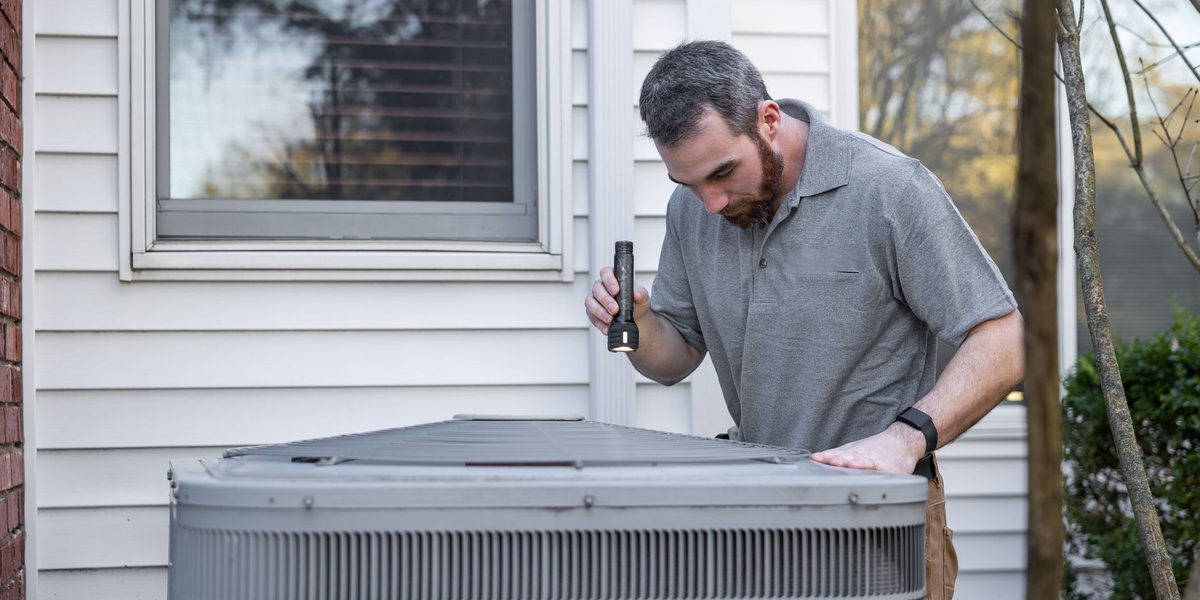
Spring is also the moment to service cooling equipment, on the same logic as the autumn furnace visit: verify it before the season depends on it. Outdoor condenser units emerge from winter wrapped in leaves, seeds, and debris, and their entire job is shedding heat through those clogged fins. Clearing space around them is less a chore than a favor to your future electric bill.
Summer: Small Repairs in Friendly Weather
Summer is when the home is under the least combined stress, which makes it the season for the projects the other seasons revealed. Sealants cure properly in warm dry weather, paint bonds well, and attics, crawl spaces, and roofs are accessible. The maintenance calendar quietly assumes this: summer is when you fix what winter broke and prepare what autumn will need.
A few warm-season habits also pay off directly. Running water in rarely used fixtures keeps drain traps full so sewer gas stays out. Testing smoke and carbon monoxide detectors and cycling ground-fault outlets takes minutes. And because the cooling system is now the hardest-working machine in the house, its filter deserves the same peak-season attention the furnace filter got in winter.
The Tasks People Skip, and What Skipping Costs
Every maintenance survey finds the same neglected items, and each has a predictable bill attached:
- Dryer vent cleaning. Lint accumulating in the exhaust duct chokes airflow, stretching drying times, and creates a genuine fire risk beyond the little lint screen.
- Water heater flushing. Sediment settling in the tank insulates the water from the burner, wasting fuel and shortening tank life.
- Bathroom fan checks. A fan that spins but barely pulls lets shower moisture soak into the house instead of leaving it.
- Refrigerator coil dusting. Dust-blanketed coils cannot shed heat, so the compressor runs longer for the same cold.
- Sump pump testing. A pump that sat dry all year is an unknown until the storm that needs it, which is the wrong time to find out.
The pattern across all of them is identical: a cheap consumable path, air or water flow, slowly blocks, and an expensive machine strains against the blockage until something gives. Maintenance is simply keeping the paths clear.
Final Thoughts
Once you know the why, seasonal maintenance stops being a guilt-inducing list and becomes a short set of understandable defenses: keep water moving away from the house, keep air moving through the machines, renew the flexible seals that rigid materials rely on, and verify equipment before its season of hard labor. None of it requires expertise, only timing. A home does not ask for much attention, but it asks on a schedule, and the schedule is written by the seasons themselves. Follow the reasoning rather than the ritual, and the checklist takes care of itself.