The American South is one of those places travelers think they already know before they arrive. Movies, songs, and cookbooks have exported its accents, its biscuits, and its slow-rolling charm around the world. But the South that greets you in person is more layered than the postcard version: a region of fiercely local food traditions, music born from hardship and joy, and social customs that reward visitors who slow down enough to notice them. Understanding a few of those layers before you go turns a pleasant trip into a genuinely rich one.
A Region, Not a Monolith
The first thing to understand is that the South is plural. The Lowcountry of coastal South Carolina and Georgia, with its rice fields, shrimp boats, and Gullah Geechee heritage, feels nothing like the Appalachian hollows of eastern Tennessee or the Cajun and Creole parishes of Louisiana. Texas argues, convincingly, that it is its own thing entirely. Each of these sub-regions has distinct accents, church traditions, crops, and cooking.
Travelers who treat the South as one uniform destination often come away with a shallow impression. Those who pick a sub-region and dig in — spending a few days in the Mississippi Delta, or along the Gulf Coast, or in the Piedmont towns of North Carolina — tend to find the texture that makes the region so beloved. Ask locals what makes their county different from the next one over. They will have opinions, and the opinions are half the fun.
Barbecue and Its Many Borders
Barbecue in the South is not a dish; it is a map. In eastern North Carolina, it means whole hog chopped fine and dressed with a sharp vinegar-and-pepper sauce. Drive west within the same state and the sauce turns tomato-tinged and the cut shifts toward pork shoulder. South Carolina famously adds mustard-based sauce to the conversation. Memphis is known for ribs, served dry-rubbed or wet. Texas builds its reputation on beef brisket, smoked low and slow over oak, often served with nothing more than white bread, pickles, and onions.
What unites these traditions is the method — meat cooked slowly over smoke — and the culture around it. Barbecue began as communal, outdoor, labor-intensive cooking, with deep roots in African American and Indigenous foodways, and it retains that social character. Many of the best barbecue spots are humble buildings that sell out by early afternoon. Arriving before noon, ordering what the pitmaster recommends, and not asking for the sauce from a different region are all quiet marks of respect.
Soul Food and the Southern Table
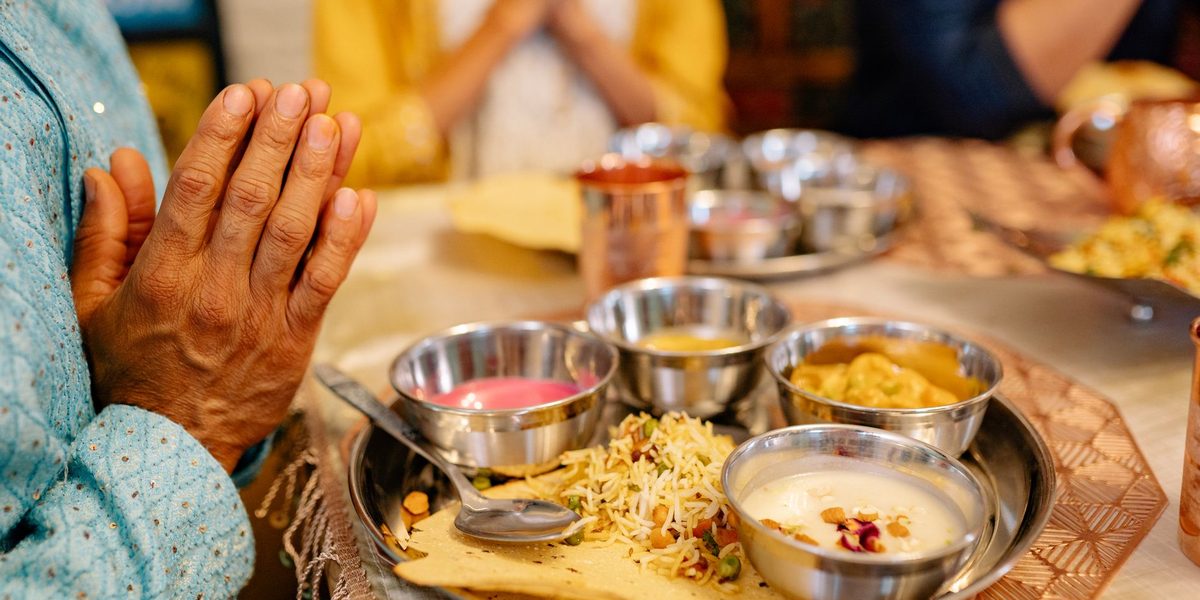
Soul food is often described as Southern comfort cooking, but its story is more specific. It grew from the ingenuity of enslaved Africans and their descendants, who transformed modest ingredients — greens, cornmeal, field peas, pork scraps, okra brought across the Atlantic — into a cuisine of remarkable depth. Dishes like collard greens simmered with smoked meat, black-eyed peas, candied yams, fried catfish, and cornbread carry generations of history in every serving.
The broader Southern table shares much of this repertoire while adding regional signatures: shrimp and grits on the coast, hot chicken in Nashville, gumbo and red beans in Louisiana, biscuits and gravy nearly everywhere. Sunday dinner remains an institution, and many family-run restaurants still operate on a meat-and-three model, where you choose one protein and three vegetable sides from a daily board. Eating this way — unhurried, generous, heavy on sides — is one of the most direct ways to understand Southern values around food and family.
Where the Music Comes From
Nearly every strand of American popular music runs through the South. The blues took shape in the Mississippi Delta, where field hollers, spirituals, and work songs evolved into a twelve-bar form that later electrified in Memphis and Chicago. Jazz emerged from the extraordinary cultural collision of New Orleans, where African rhythms, Caribbean influences, brass band traditions, and church music mingled in one port city. Country music grew from the ballads and fiddle tunes of Appalachian settlers, formalized in places like Bristol and Nashville. Gospel fed all of it, and rock and roll was born where these streams crossed.
For travelers, this history is walkable. Juke joints, honky-tonks, second-line parades, and small-town opry houses still host live music most nights of the week. The etiquette is simple: listen more than you talk, tip the band, and understand that in many venues the music is worship, memory, and livelihood all at once. Asking a musician about their influences after a set will often earn you a story worth the whole trip.
Porch Culture and the Art of Visiting
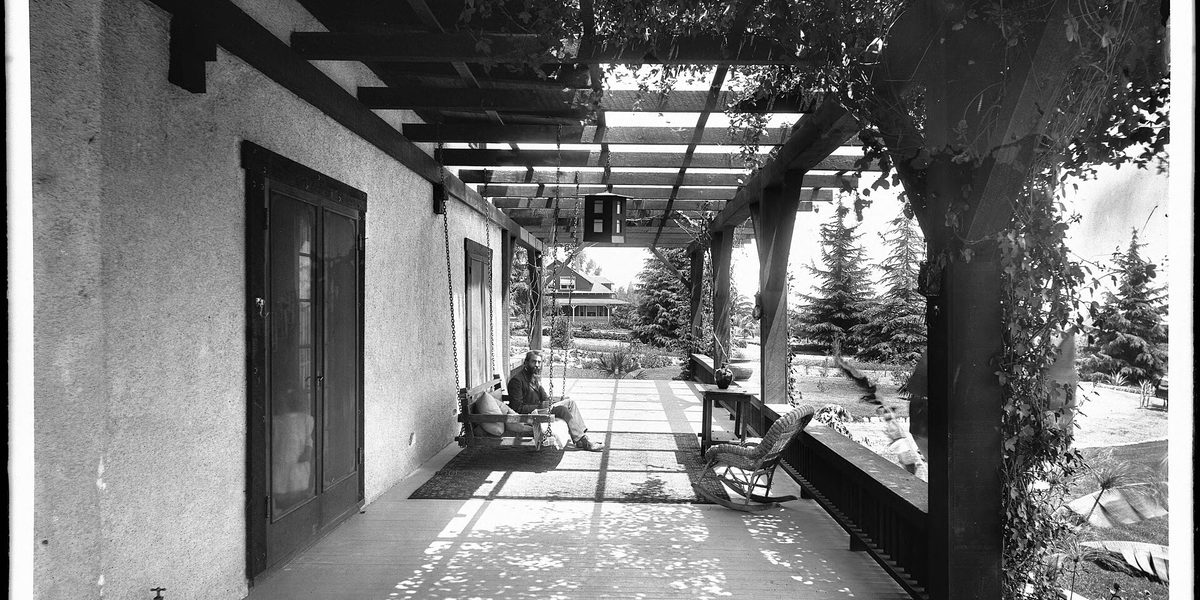
The front porch is Southern architecture's social statement. In a hot climate before air conditioning, the porch was where evenings happened — shelling peas, telling stories, watching neighbors pass. That practical origin hardened into a custom: the porch is a semi-public room, and sitting on it signals openness to conversation. A wave from a porch is an invitation to slow your walk; a second wave might become an invitation to sit.
Related to porch culture is the broader art of visiting. Dropping by, staying to chat, accepting a glass of sweet tea even if you are not thirsty — these small rituals matter. Refusing hospitality too briskly can read as coldness. If someone offers food or drink, the graceful move is to accept something, even a small something, and to compliment it specifically.
Hospitality Norms Worth Knowing
Southern hospitality is real, but it operates on rhythms visitors sometimes misread. Politeness is the default register: strangers greet each other, drivers wave on rural roads, and pleasantries precede business. Terms like sir and ma'am are marks of respect, not stiffness, and using them will never hurt you. Conversations begin with warm-up topics — weather, food, family, where you are from — before anything transactional.
- Greet people when you enter small shops and restaurants; a simple hello sets the tone.
- Let conversations breathe. Rushing to the point can come across as rude.
- Accept offered food or drink when you reasonably can; it honors the host.
- Avoid launching into critiques of the region. Locals discuss its complexities honestly, but earn that conversation first.
- Dress tidily for church services or Sunday dinners if you are invited; both are meaningful occasions.
Small-Town Rhythms
Much of the South's character lives in its small towns, and those towns keep their own clock. Businesses may close midafternoon or all day Sunday. The diner near the courthouse square fills at breakfast with farmers and retirees solving the world's problems over coffee. Friday nights in autumn belong to high school football, an event closer to a festival than a game. Church remains a social anchor, and the week visibly bends around it.
Travelers who adjust to this pace are rewarded. Plan errands for mornings, expect long and friendly transactions, and treat detours as the point rather than the problem. The barbecue stand down a county road, the roadside peach shed, the hand-lettered sign for a fish fry — these are not interruptions to a Southern trip. They are the trip.
Final Thoughts
The American South rewards curiosity and patience in equal measure. Come hungry, keep your schedule loose, and let conversations run longer than you planned. If you learn the difference between vinegar and mustard sauce, listen closely in a Delta juke joint, and accept the second glass of sweet tea, you will leave understanding why so many visitors find the region hard to say goodbye to — and why so many keep coming back.