Portugal is a small country with an enormous interior life. On the surface it offers what any visitor might expect of southern Europe: sunlit plazas, grilled fish, tiled facades, and a coastline that seems to go on forever. But the things that make Portugal feel like Portugal are quieter and harder to translate. They live in a style of music that sounds like grief and comfort at the same time, in painted ceramic tiles that turn ordinary walls into storybooks, and in a single word, saudade, that the Portuguese insist no other language can fully capture. Understanding these three threads before you arrive changes how the whole country reads. Streets stop being merely pretty and start telling you things.
Saudade: The Feeling at the Center of Everything
Saudade is usually translated as longing, nostalgia, or melancholy, but none of those words quite land. It describes the presence of an absence: missing something or someone while also holding the sweetness of having known them. A sailor’s family watching the horizon, an emigrant remembering a village kitchen, a person recalling a summer that will not come again. All of that is saudade.
The concept matters because Portugal’s history is a history of departures. For centuries, Portuguese ships left for Africa, Asia, and the Americas, and Portuguese workers later emigrated in waves to France, Brazil, and beyond. A culture shaped by people leaving and being left behind developed a rich emotional vocabulary for distance. When you hear a fado singer hold a long, aching note, or notice how gently the Portuguese speak about the past, you are hearing saudade at work. It is not sadness exactly. Locals will tell you it can be a warm feeling, even a pleasurable one, and that it sits comfortably alongside jokes, wine, and good company.
Fado: Portugal’s Soundtrack of Longing
Fado is the musical expression of saudade. The word means fate, and the songs deal with destiny, love, loss, jealousy, the sea, and the city itself. A traditional fado performance is intimate: one singer, a Portuguese guitar with its bright, bell-like twelve strings, and a classical guitar underneath. The singer does not simply perform the song; the audience expects them to feel it, visibly, and a great fadista can silence a room with a single phrase.
Fado grew up in the working-class neighborhoods of Lisbon, particularly Alfama and Mouraria, in taverns where sailors, laborers, and marginalized communities gathered. It was once considered disreputable music before gradually becoming a national treasure. Coimbra, the old university city, has its own distinct tradition, sung by men in academic capes, with a more serenading character.
If you attend a fado house, a little etiquette goes a long way. Conversations stop when the lights dim and the singer begins. Talking, filming with a bright screen, or clinking dishes during a song is considered genuinely rude. Between songs, applaud warmly; if you are moved, it is traditional to murmur appreciation. Smaller, less polished venues where locals outnumber visitors often deliver the most honest performances.
Azulejos: A Country That Writes on Its Walls
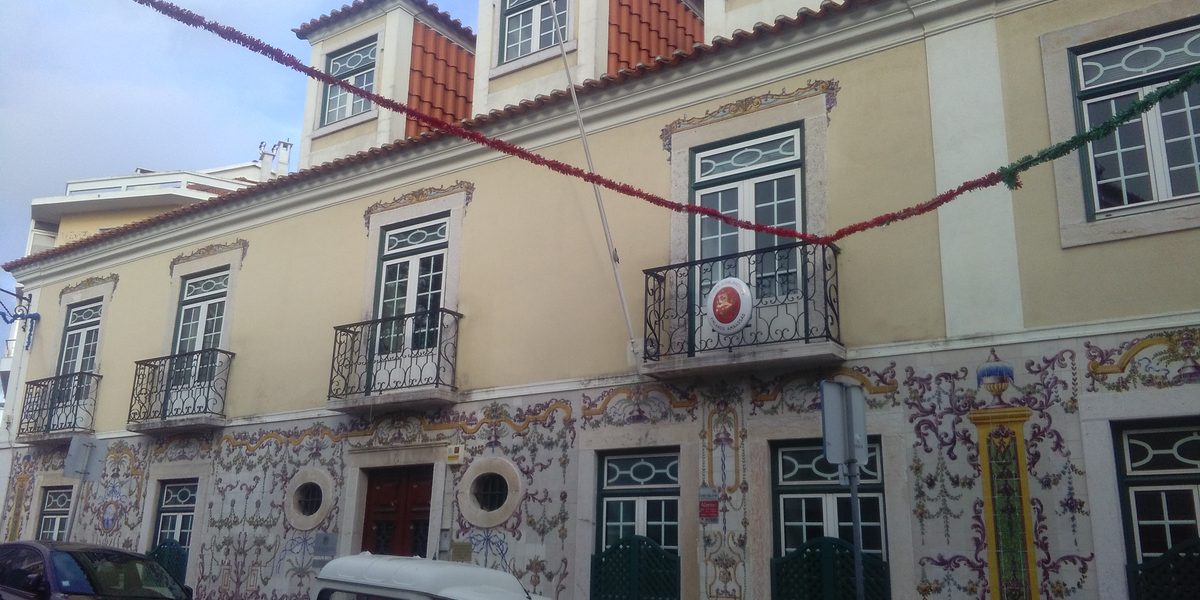
Azulejos are the glazed ceramic tiles that cover churches, train stations, palaces, shops, and ordinary apartment buildings across Portugal. The name comes from an Arabic word for polished stone, a reminder that the tradition arrived through centuries of Moorish presence on the Iberian Peninsula. The Portuguese then made the art form entirely their own, developing the iconic blue-and-white panels that narrate battles, saints’ lives, farm scenes, and maritime voyages across entire facades.
What makes azulejos special is that they are not museum objects. They are functional architecture: tiles insulate against heat, resist coastal humidity, and brighten narrow streets. Reading them is a pleasure in itself. Older geometric patterns echo Islamic design, grand narrative panels reflect the wealth of the maritime empire, and playful Art Deco and modern tiles show the tradition still evolving. São Bento station in Porto and countless Lisbon church interiors are famous showcases, but some of the most charming examples are humble doorway panels naming a shop or honoring a saint. One courtesy worth knowing: tile theft from old buildings is a real problem, so buy reproductions or new work from artisans rather than anything that looks pried off a wall.
Café and Pastelaria Culture
Daily life in Portugal runs on small coffees and sweet pastries. The pastelaria, a combined bakery and café, is a neighborhood institution where regulars stop in the morning, mid-afternoon, and sometimes both. Coffee is usually taken as a short espresso, called a bica in Lisbon and a cimbalino in Porto, often standing at the counter. Ordering at the counter is typically cheaper than table service, and lingering is normal; nobody will rush you out.
The pastry universe is vast, but the undisputed monarch is the pastel de nata, a small custard tart with a shatteringly crisp shell, best eaten warm with cinnamon dusted on top. Most pastries descend from convent recipes: monasteries once used egg whites for practical purposes and invented endless desserts with the leftover yolks and sugar. Trying a different regional sweet in each town is a legitimate way to structure a trip.
The Sea on Every Table
Portugal’s relationship with the ocean shows up most clearly at mealtime. Grilled sardines perfume whole neighborhoods in summer, octopus is served tender with olive oil and potatoes, and rice dishes arrive brothy and full of shellfish. The national obsession, though, is bacalhau: dried salted cod, rehydrated and cooked in what locals claim are hundreds of different ways, from baked casseroles with cream to scrambles with eggs, onions, and shoestring potatoes. It says something about the culture that the most beloved fish is one preserved for long voyages, an edible piece of maritime history.
A practical note for restaurants: the bread, olives, cheese, or fish paste placed on your table at the start of a meal, called the couvert, is not free. It is not a scam either; you pay only for what you touch, and waving it away politely is completely acceptable.
North and South: Two Portugals
The country changes character as you travel. The north, around Porto, the Douro Valley, and the Minho region, is greener, more mountainous, and often described as more traditional and reserved, with hearty food, granite villages, and deep religious festival culture. The south, especially Lisbon and the Algarve, feels brighter and more Mediterranean in mood, with whitewashed towns, almond and orange trees, and a more outward, tourist-facing rhythm. Locals joke that Porto works while Lisbon shows off, a rivalry conducted mostly with affection. The interior, from Alentejo’s cork oak plains to the remote northeast, moves slower still and rewards travelers who like quiet.
Everyday Etiquette Worth Knowing
- Greet people when entering small shops and cafés; a simple bom dia or boa tarde is expected courtesy.
- The Portuguese are generally soft-spoken in public. Loud conversation, especially at night in residential lanes, stands out immediately.
- Do not assume Portugal is interchangeable with Spain. Speaking Spanish at locals without asking can grate; starting in Portuguese or English is better received.
- Meals are unhurried, and the bill will not arrive until you request it. Asking for it is normal, not rude.
- Dress modestly in churches, and ask before photographing people, particularly older residents in small villages.
- Punctuality is relaxed socially but expected for tours, restaurants with bookings, and trains.
Final Thoughts
Portugal rewards travelers who arrive knowing what they are looking at. Once you understand saudade, fado stops being background music and becomes a conversation. Once you can read azulejos, every street becomes a gallery of the country’s memories. Add a counter espresso, a warm custard tart, and a plate of something that swam nearby, and you are no longer just visiting Portugal; you are briefly living the way it likes to live.