The Balkans confuse people before they charm them. The peninsula in southeastern Europe, home to countries such as Serbia, Bosnia and Herzegovina, Croatia, Montenegro, North Macedonia, Albania, Bulgaria, and their neighbors, sits at one of the world’s great crossroads, and everything about it reflects that position. Minarets rise beside church domes, Habsburg boulevards run into Ottoman bazaars, and a single street can serve Viennese-style cakes at one end and Turkish-style coffee at the other. Travelers who arrive expecting a single tidy culture leave bewildered; travelers who arrive understanding the layers leave smitten. This primer explains those layers, along with the coffee, the rakija, the enormous hospitality, and the tact that history here deserves.
A Crossroads of Empires
Geography explains almost everything in the Balkans. The peninsula is the land bridge between Central Europe and the eastern Mediterranean, and for millennia armies, merchants, missionaries, and migrants have funneled through its valleys. Illyrians, Thracians, Greeks, and Romans left the earliest marks; the Roman Empire’s eventual division ran right through the region, foreshadowing a lasting boundary between Catholic and Orthodox Christian worlds. Slavic peoples settled from the north, medieval kingdoms in Serbia, Bulgaria, Croatia, and Bosnia rose and flourished, and then two great empires took long turns shaping the map: the Ottomans from the south and the Habsburgs from the north.
The result is not a blend but a layering, like geological strata that remain visible at the surface. It is why one town feels Mediterranean and Venetian, the next feels Central European, and a third feels unmistakably Ottoman, all within a few hours of driving. Rather than asking which identity is the real one, it helps to accept the honest answer locals give: all of them, all at once.
Ottoman and Austro-Hungarian Layers You Can See
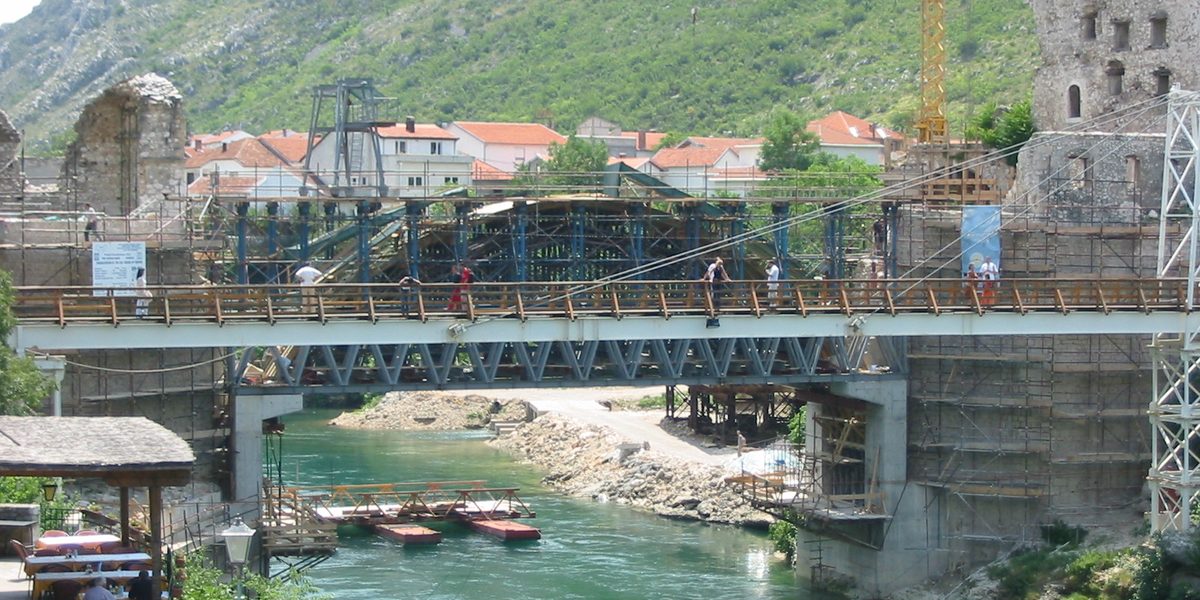
Learning to read the two imperial signatures makes every walk more interesting. Ottoman heritage shows itself in old bazaar quarters with low stone shops and cobbled lanes, in graceful arched bridges, in mosques with slender minarets, in hammams, fountains, and covered markets, and at the table in grilled meats, stuffed vegetables, burek pastries, and syrupy desserts like baklava. Sarajevo’s Baščaršija and the old bridge at Mostar are famous examples, but small-town Balkans is full of quieter ones.
The Austro-Hungarian layer takes over as you move north and west: grand ochre-colored administrative buildings, theaters and coffeehouses with high ceilings, orderly boulevards, and a pastry culture of strudels and layered cakes. Sarajevo again makes the perfect classroom, because a single downtown street visibly changes from Ottoman bazaar to Habsburg avenue at a marked line locals cheerfully point out. Along the Adriatic coast, add a third accent, Venetian: bell towers, loggias, and marble piazzas from centuries of maritime trade.
Coffee Is a Ceremony, Not a Beverage
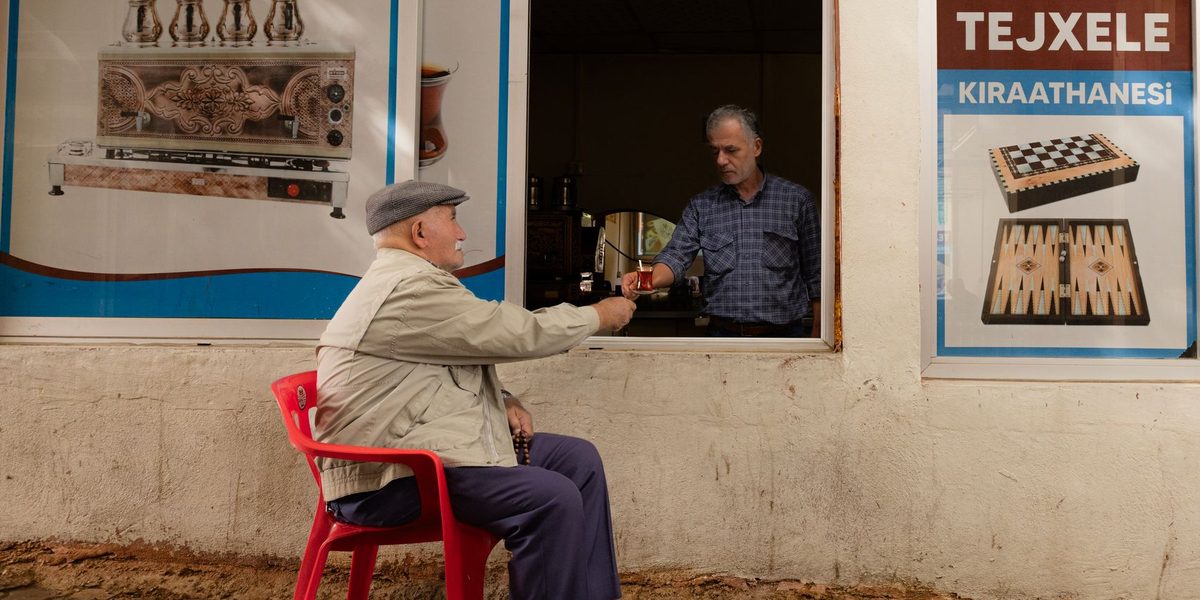
Nothing introduces Balkan values faster than coffee. Across much of the region, the default is thick, unfiltered coffee brewed slowly in a small long-handled pot, poured into little cups, and served with sugar, a glass of water, and often a sweet such as Turkish delight. It goes by different names in different countries, and locals will insist their version is distinct, but the ritual is shared: coffee is an occasion, not a caffeine delivery system. People sit with one small cup for an hour or more, because the point is the conversation, the pause, the company.
Ordering a quick takeaway espresso exists in every city, but to understand the region, do it the local way at least once. Let the grounds settle before sipping, never drink the sludge at the bottom, and do not check your watch. An invitation to coffee is an invitation to relationship, and accepting it is one of the nicest compliments you can pay a host.
Rakija and the Art of the Toast
Rakija is the Balkan fruit brandy, distilled from plums, grapes, apricots, quinces, pears, or honey, and it functions as welcome drink, celebration marker, cold remedy, and social glue. Many families distill their own and take fierce pride in it; being offered homemade rakija is a gesture of trust. It is strong, so treat it with respect: sip it slowly, never shoot it, and pace yourself, because refills appear the instant a glass empties.
Toasting has its own grammar. Wait for the host to raise the first glass, look people in the eye as you clink, and learn the local cheer, commonly živeli or na zdravlje in the Slavic countries and gëzuar in Albania. Declining alcohol is fine, especially in Muslim communities where many people do not drink at all, but decline warmly and accept the juice or coffee offered instead. The toast is about connection, not consumption.
Slow Hospitality and the Full Table
Balkan hospitality is famously overwhelming. A guest, even an unexpected one, triggers an unstoppable sequence: coffee, rakija or juice, sweets, then somehow a full meal, then insistence that you take food for the road. Hosts measure their honor by how well you are fed, and the phrase you will hear constantly translates to eat, eat. Token resistance is part of the dance, but ultimately accepting is the gracious move; refusing everything can genuinely wound.
Meals stretch long. Meze platters of cheese, cured meats, peppers, and bread open into grilled meats such as ćevapi, slow stews, stuffed cabbage, and bean dishes, with seasonal salads all summer. Time works differently around these tables, and appointments dissolve. If someone says come for a coffee, block out the afternoon and consider it a cultural immersion better than any museum.
Monasteries, Mosques, and Sacred Etiquette
Religious architecture is where the region’s soul is most visible, and visitors move constantly between faiths: frescoed Orthodox monasteries tucked into gorges, Catholic cathedrals on the coast, and elegant Ottoman-era mosques in the old quarters. Each has its manners. In Orthodox monasteries and churches, dress modestly with shoulders and knees covered, speak quietly, and ask before photographing, especially the frescoes and any services; many monasteries are working communities of monks or nuns, not museums. In mosques, remove your shoes at the entrance, women generally cover their hair with a scarf, and avoid visiting during prayer times unless invited. In every tradition, silence and unhurried movement are the universal courtesies. These buildings also tell the layered story better than any textbook: churches converted to mosques and back, shared saints’ shrines, and towns where bells and the call to prayer overlap in the same evening air.
Talking About History Without Stepping on It
The Balkans carry recent wounds alongside ancient glories, and etiquette around history matters more here than almost anywhere in Europe. A few principles keep conversations kind. Let locals raise difficult subjects first; many will, generously and candidly, but the invitation is theirs to give. Listen more than you compare, and never arrive with a tidy narrative about heroes and villains, because every border in the region holds several sincere versions of the same events. Avoid lumping everyone together as simply Balkan when someone has told you their specific identity, and use the country and city names your hosts use. Be gentle with jokes; humor about the past is a local privilege, not a visitor’s icebreaker. Asked sincerely and humbly, questions are usually welcomed, and some of the most moving conversations you will ever have as a traveler happen over rakija when trust has settled in.
Final Thoughts
The Balkans reward the curious and the unhurried. Learn to see the imperial layers in a streetscape, give coffee the hour it deserves, raise your glass with eye contact, cover your shoulders at the monastery door, and hold history with soft hands. Do that, and the region’s legendary hospitality does the rest, one full table at a time.