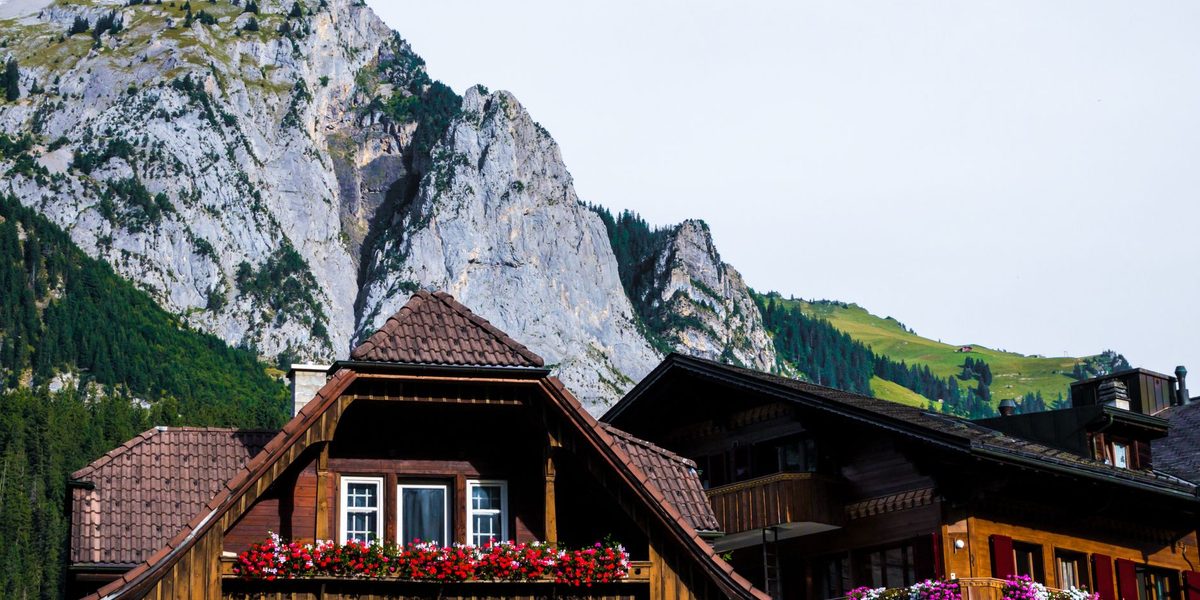
Europe's Alpine villages look, at first glance, like scenery: wooden chalets with geranium-stuffed balconies, cows grazing improbably steep meadows, a white church spire against grey rock. But these villages are not stage sets. They are working communities shaped by centuries of surviving — and eventually thriving — in one of the continent's harshest environments. The cow bells, the cheese, the hut rules, and the strict seasonal calendar all have logic behind them, and understanding that logic transforms a pretty mountain holiday into something far richer.
Transhumance: Why the Cows Wear Bells
The foundation of Alpine culture is transhumance — the ancient practice of moving livestock up to high mountain pastures in early summer and back down to the valley before winter. The high meadows, called alps in the original sense of the word, offer rich summer grazing that valley farms cannot match, and the milk produced there is the basis of the region's celebrated cheeses. Herders traditionally spend the season in simple high-altitude dairies, milking and cheesemaking daily while the herds fatten on herb-filled grass.
The bells are practical first: in fog, forest, and broken terrain, a herder locates animals by ear, and each bell's tone helps identify individuals. But bells long ago became ceremony as well. The seasonal moves are celebrated in festivals — the ascent in early summer and, more famously, the descent in autumn, when cows parade through villages wearing enormous decorated bells and floral headdresses. Known as Almabtrieb in Austria and Germany, désalpe in French-speaking Switzerland, and by other names across the range, these processions are among the best days of the year to be in an Alpine village, complete with markets, music, and fresh alp cheese sold from the wagon.
The Chalet: Architecture with a Job
The chalet style now copied by ski resorts worldwide began as pure function. Thick squared timbers, often left to darken naturally, insulated against ferocious winters; wide, gently pitched roofs held a blanket of snow as extra insulation and were weighted or anchored against storms; deep eaves kept rain and snowmelt off the walls; and stone foundations lifted precious grain stores and living quarters above damp and rodents. Many older buildings combined family quarters, hay storage, and animal stalls under one roof, with livestock warmth rising helpfully through the floor.
Details visitors admire have stories too. Carved balconies and sun-bleached wood facades face south to catch light; some regions carved dates, initials, and blessings into beams; and the flower boxes are a point of genuine village pride and quiet competition. Building traditions differ from valley to valley — stone houses in parts of the southern Alps, shingle-clad facades elsewhere — because until modern roads, most valleys developed in relative isolation. That isolation also explains the patchwork of dialects, cheeses, and customs packed into such a small mountain range.
Mountain Huts and Their Unwritten (and Written) Rules
Above the villages runs one of the Alps' great institutions: the mountain hut. Ranging from simple bunkhouses to substantial lodges, huts let hikers cross the high country for days without carrying camping gear, and most serve hot meals and regional wine in settings no restaurant can match. They are typically run by alpine clubs or families under license, and they operate on a culture of shared responsibility that first-time visitors should learn before arriving.
- Reserve ahead in busy seasons, and cancel if plans change — huts cook and stock supplies, often helicopter-lifted, based on bookings.
- Boots come off at the door; huts provide slippers or you pad about in socks. Bring a lightweight sleeping bag liner for dormitory bunks.
- Quiet hours are firm, and evenings end early because everyone leaves early; headlamps, not lights, after the posted hour.
- Water is precious at altitude — expect limited washing, and never expect a shower at simpler huts.
- Pack out your own rubbish, pay in cash where cards are not taken, and write in the hut book; it is tradition and, historically, a safety record.
- Greet fellow hikers on the trail — a Grüezi, Servus, Bonjour, or Buongiorno depending on the valley — because on the mountain, everyone greets.
Cheese, and the Rest of the Table
Alpine food is the cuisine of dairy, altitude, and long winters. The high-pasture cheesemaking tradition produces dense, nutty wheels — the extended family of mountain cheeses that includes countless local varieties aged in village cellars — and around them grew the dishes visitors know: fondue, raclette scraped bubbling from the half-wheel, älplermagronen and other creamy mountain pastas, rösti, dumplings, cured meats dried in cold mountain air, and dark breads built to keep. This is deliberately hearty food, designed for people who spent their days haying steep slopes or walking herds uphill.
Eating it well means eating it in context. Order the local cheese rather than the famous one from the next country over; many alp cheeses are made in quantities too small to travel. Visit a village dairy or a summer alp that sells directly. Note that fondue and raclette are cold-weather, social dishes — locals find them odd in summer heat, though tourist restaurants happily serve them year-round. And treat the mid-hike stop at a hut or alp restaurant as part of the day's plan, not an interruption: a plate of dried meat and mountain cheese with a view of the glacier is the culture on a board.
Cable Cars, Trails, and Mountain Manners
The Alps are the most infrastructure-rich mountains on earth, laced with cable cars, funiculars, cogwheel railways, and thousands of kilometers of signed trails. The signage system is worth learning: yellow signs generally mark walking paths, while white-red-white blazes mark mountain trails requiring sure-footedness, and blue markings indicate alpine routes for the experienced. Trail time estimates on signs are honest for fit walkers and should be respected, as should closure notices, which usually mean rockfall, late snow, or livestock protection rather than bureaucracy.
Manners on the mountain are consistent across borders. Uphill hikers traditionally have priority on narrow paths; step aside on the valley side when letting others pass. Close every pasture gate you open, cross livestock areas calmly and give cattle — especially mothers with calves — generous space, and keep dogs leashed near herds. In cable cars, let riders exit first and remove backpacks in crowded cabins. And build the lift schedule into your plans: last descents come earlier than city instincts expect, and missing one turns a scenic day into a very long walk.
Seasonal Rhythms: The Village Calendar
Alpine villages live by a two-peak year. Winter belongs to snow sports, Christmas markets, and full hotels; summer belongs to hiking, herding, and haying. Between them fall the quiet shoulder seasons — locally called the gap or dead seasons — when many hotels, restaurants, and lifts simply close for weeks, staff take their own holidays, and villages catch their breath. Travelers who arrive in these windows find either a peaceful bargain or a shuttered town, depending on expectations, so it pays to check what will actually be open.
The calendar is punctuated by working festivals rather than invented ones: the cattle processions of early summer and autumn, cheese-sharing days when the summer's production is divided among farmers, village patron feasts, and winter traditions that predate tourism. Timing a visit to one of these is the single easiest way to see the living culture behind the scenery.
Final Thoughts
Alpine villages reward visitors who read them as working landscapes rather than backdrops. The bells mark a farming cycle older than any nation on the map; the chalet is a machine for surviving winter; the hut rules keep a fragile high-mountain system running for everyone. Learn the rhythm, greet people on the trail, eat the cheese made a thousand meters above your table, and close the gates behind you — and the mountains will feel less like a postcard and more like a place you were genuinely welcomed.