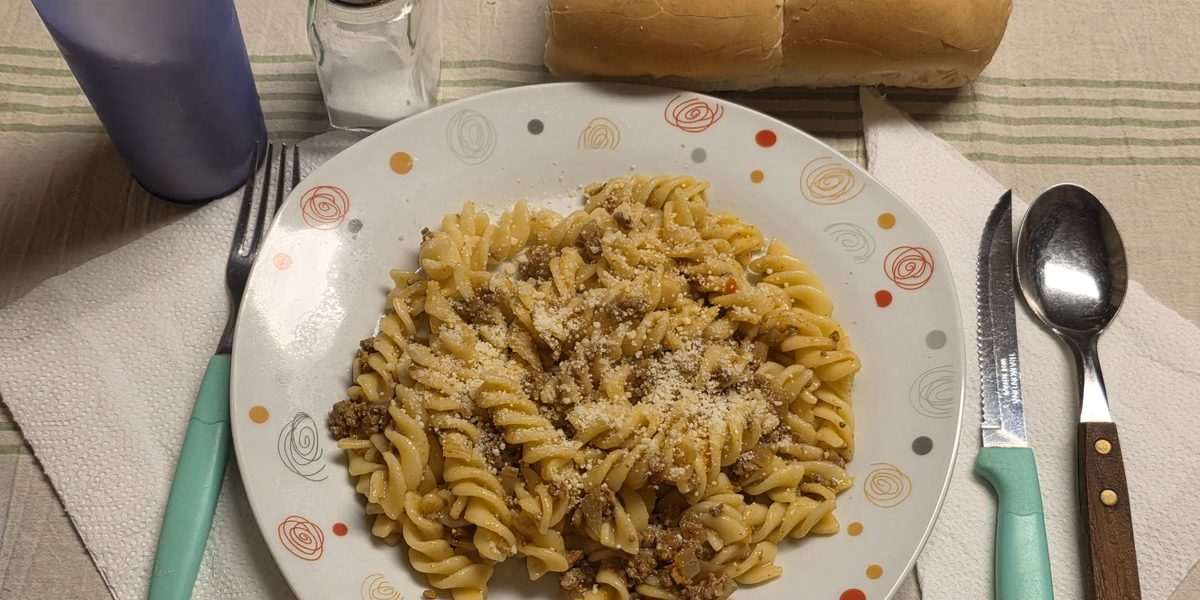
Somewhere near the end of countless pasta recipes sits a quiet instruction: reserve a cup of the cooking water. It reads like an afterthought, and plenty of cooks pour that cloudy liquid down the drain without a second look. Yet that water is the closest thing pasta cooking has to a secret ingredient — the difference between sauce that clings in a glossy coat and sauce that puddles at the bottom of the bowl. The reason is starch, one of the most useful and least understood substances in the kitchen. Understand what starch does in a pot of pasta, and you will suddenly understand risotto, mashed potatoes, gravy, and half a dozen other kitchen mysteries at the same time.
What Starch Actually Is
Starch is how plants store energy: long chains of glucose sugar packed into dense microscopic granules. Wheat, rice, corn, and potatoes are all, in large part, warehouses of these granules. In a dry noodle or a raw potato the granules are tight, orderly, and insoluble — which is why raw pasta is glassy and raw potato is chalky, and why neither tastes remotely creamy.
Two kinds of chains live inside each granule, and their balance shapes texture everywhere in cooking. Amylose is long and straight, good at escaping the granule and later linking back up into firm structures. Amylopectin is huge and bushy, better at holding water and creating soft, sticky, creamy textures. Every starchy food you cook — fluffy versus waxy potatoes, sticky versus separate rice, silky versus gluey sauces — is playing out the ratio between those two molecules.
Gelatinization: The Moment Starch Comes Alive
Drop starch into hot water and the transformation called gelatinization begins. As the water heats, it works its way into each granule, and the granules swell like sponges — many times their original size — until their orderly interiors loosen and some of those long starch chains leak out into the surrounding liquid. The result: the liquid thickens, turns cloudy, and becomes slightly slick, while the food itself turns tender.
This one event is the master key to starch cookery. It is why a raw-flour-and-water paste becomes gravy only after it is heated, why oatmeal thickens as it bubbles, and why pasta softens from brittle to tender. In a pot of boiling pasta, gelatinization happens right at the noodle’s surface, and the water constantly washes free starch off that surface. Ten minutes later, your pot holds not just cooked pasta but a thin, warm starch solution — and that is the liquid the recipe told you to save.
Why Starchy Water Binds a Sauce
Oil and water famously refuse to mix, and most pasta sauces are exactly that standoff: olive oil, butter, or rendered fat on one side, tomato juices or plain moisture on the other. Left alone, they separate, and the pasta ends up wearing a greasy slick over a watery base. An emulsion fixes this — fat broken into droplets so small they stay suspended in the liquid, creating something thicker and creamier than either ingredient alone.
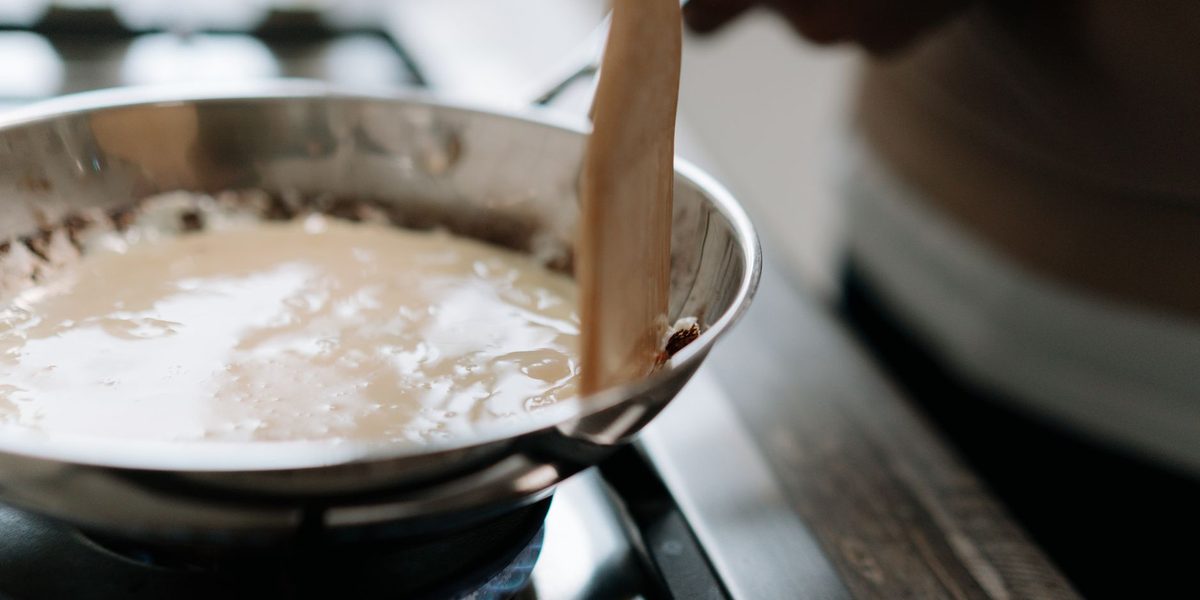
Emulsions need help to form and hold, and dissolved starch is that help. The starch chains floating in pasta water thicken the watery phase and get in the way of fat droplets trying to find each other and merge. Tossed vigorously with fat in a hot pan, starchy water lets you whip oil and liquid into a cohesive, glossy sauce that grips every noodle. The same trick with plain tap water usually breaks. This is the entire secret behind the classic cheese-and-pepper style of pasta — nothing but cheese, fat, and starchy water beaten into cream — and it is why a ladleful of cooking water can rescue a sauce that has split into grease and puddle.
Finishing Pasta in the Pan
Knowing this, the professional method makes perfect sense, and it is easy at home.
- Cook the pasta in well-salted water until it is a minute or two short of done — flexible but still firm at the center.
- Before draining, scoop out a generous cup of the cooking water.
- Transfer the pasta straight into the pan of sauce over medium heat, add a splash of the reserved water, and toss or stir constantly.
- Let the pasta finish cooking in the sauce itself, adding more water in small splashes whenever things tighten up, until the sauce turns glossy and clings.
- Off the heat, stir in any cheese or butter last, so the emulsion stays smooth.
Two good things happen at once. The pasta absorbs seasoned, flavorful liquid during its final minutes instead of plain water, so the noodles taste of the sauce rather than merely wearing it. And the continuing agitation releases still more surface starch directly into the pan, thickening the sauce right where you need it. The looks-too-wet stage is part of the process — a sauce that seems slightly loose in the pan tightens to perfect in the bowl.
Salting the Water: What It Really Does
Salt in pasta water has one essential job: seasoning the pasta itself. Noodles absorb water as they cook, and if that water is salted, the seasoning ends up inside the pasta, where no amount of salting the sauce afterward can reach. Pasta cooked in unsalted water tastes flat at its core no matter how good the sauce is. The water should taste noticeably salty — pleasantly like seawater is the traditional cue — because only a small fraction of that salt actually ends up in the noodles.
What salt does not meaningfully do is change the boiling point in any way you could taste or time; the amounts used in cooking shift it by a fraction of a degree. One practical caution: if your water is aggressively salted and you plan to reduce a sauce heavily with it, add the reserved water in stages and taste as you go, since its salt concentrates as liquid evaporates.
The Same Magic Everywhere Else
Once you can see gelatinized starch at work, it turns up all over the kitchen. Risotto is the clearest example: constant stirring rubs starch off the surface of the rice grains into the surrounding broth, and that starch is the creaminess — the dish thickens itself with no cream required. Potatoes tell the story through variety: fluffy, starch-heavy types burst into dry, light flakes and drink up butter, while waxy types hold together in salads; overwork any of them and you rupture too many granules, releasing sticky starch that turns mash into glue. And a slurry — starch stirred into cold liquid before it ever meets heat — is the everyday fix for thin gravies, stir-fry sauces, and pie fillings. The cold-mixing step matters: it separates the granules so they gelatinize individually instead of clumping into lumps when they hit the hot pan.
Pasta Myths, Retired
Starch science also settles the old arguments. Oil in the pasta water does not prevent sticking; it floats on the surface, touching nothing, until you drain the pot — at which point it coats the noodles and makes sauce slide off. The real anti-stick tools are plenty of water and a good stir in the first two minutes, when surface starch is stickiest. Rinsing cooked pasta washes away exactly the starch layer that helps sauce cling, so skip it for hot dishes; the only time rinsing makes sense is for cold pasta salads or noodles you need to stop cooking immediately. And the noodle-thrown-at-the-wall test mostly proves you have a starchy wall — biting a piece to check for a firm-but-cooked center tells you far more.
Final Thoughts
Pasta water matters because starch matters: heat and water transform tight little granules into the thickener, binder, and emulsifier hiding inside everyday ingredients. Save a cup before you drain, finish the pasta in its sauce with splashes of that cloudy liquid, salt the pot like you mean it, and let the starch do work no jarred sauce ever could. It is a rare kitchen upgrade that costs nothing, takes no extra time, and works every single night — you were about to pour it down the drain.