The postcard version of the Greek islands is easy to summon: whitewashed cubes tumbling toward a blue-domed church, a windmill, a sunset crowd applauding as if the sun had rehearsed. That image is real, but it describes perhaps one percent of island life. Behind it sits a world of shuttered afternoons, backgammon slammed down in smoky cafés, saints' festivals that outdraw any beach party, and a code of hospitality older than the ruins. Understanding that world before you go changes what you notice — and how islanders receive you.
Not One Archipelago, but Many
Greece has thousands of islands, and grouping them is the first step to understanding them. The Cyclades — Santorini, Mykonos, Naxos, Paros and their neighbors — are the arid, windswept islands of the classic postcard, all cubic houses and blue trim. The Dodecanese, strung along the Turkish coast, carry layers of Byzantine, Crusader, Ottoman, and Italian history in their architecture. The Ionian islands to the west are green and Venetian-flavored, with olive groves and pastel mansions. The Sporades are pine-forested; the northeastern Aegean islands are larger, less touristed, and proudly agricultural. Crete, big enough to be its own country in spirit, has mountains, a distinct dialect, and a cuisine Greeks themselves travel for.
These differences matter practically. An island's group predicts its landscape, its food, its ferry connections, and its crowd levels. Travelers who choose islands by group and season — rather than by fame — tend to find the Greece they were imagining, often at a fraction of the cost and crush of the headline destinations.
The Rhythm of the Day
Island time is not a joke; it is a schedule. Mornings start early and busily — bakeries, markets, fishermen unloading, shopkeepers hosing down pavements. Then, in the hot hours of the afternoon, much of ordinary life closes. This is the mesimeri, the rest period often called siesta, and in villages it is taken seriously: shops shut, shutters close, and making noise near homes in mid-afternoon is genuinely rude. Quiet hours are commonly observed both in the afternoon and late at night.
Life resumes in the early evening and stretches late. Greeks eat dinner far later than most visitors expect, and a taverna that looks empty at seven will be roaring at ten. The evening stroll, the volta, fills harbor fronts with families, grandparents, and impeccably dressed teenagers doing slow laps. Adjusting your body clock to this rhythm — early morning, dead afternoon, long evening — is the single most useful adaptation a visitor can make.
The Kafeneio: An Institution, Not a Café
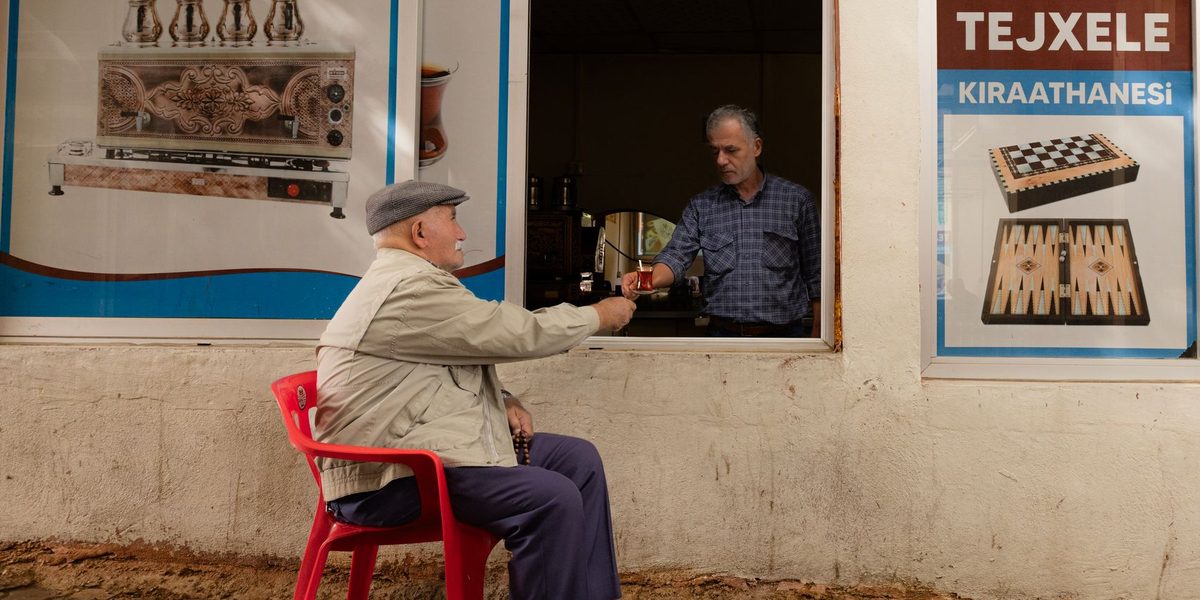
Every village has a kafeneio, and it is best understood as a public living room. Traditionally a male domain, though this varies today, it is where farmers, fishermen, and pensioners drink small cups of thick Greek coffee, argue about politics, and play tavli — backgammon — with theatrical force. A single coffee can lawfully occupy a table for three hours. Nobody will bring you a bill until you ask for it, because presenting it unrequested would imply you should leave.
Visitors are welcome in most kafeneia, and sitting in one is a fast education in island life. Order a Greek coffee — specify sketos for unsweetened, metrios for medium, glykos for sweet — and do not stir it, since the grounds settle at the bottom. Greet the room with a general kalimera on entering. You may be drawn into conversation, offered a small treat, or simply left in peace; all three are forms of acceptance.
Name Days, Saints, and Panigiria
In Greece, name days often matter as much as birthdays. Most people are named for a saint, and on that saint's feast day, everyone sharing the name celebrates. Tradition inverts the usual party logic: the person celebrating treats others, keeping open house with sweets and drinks, while friends drop by with wishes of chronia polla — many years.
Scale that up and you get the panigiri, the festival held when a village's church celebrates its patron saint. These are the great social events of the island calendar, especially in summer. Expect a church service followed by long communal tables, goat or fish cooked in quantity, local wine, live music on traditional instruments, and circle dancing that pulls in everyone from toddlers to great-grandmothers. Visitors are almost always welcome; the etiquette is to join modestly, accept what is offered, contribute to any collection plate, and let locals lead the dancing before you attempt the steps.
Food and Filoxenia
Filoxenia translates as love of the stranger, and it is the closest thing Greece has to a national doctrine. Its roots run back to antiquity, when hosting travelers well was a sacred obligation. In practice today it means the extra plate that arrives unordered, the fruit pressed on you as you leave, the taverna owner who sits down at your table, the offer of a spoon sweet and cold water in a village house. The correct response is warm acceptance. Declining generosity too firmly, or trying to pay for a clearly offered gift, can wound.
Island food itself rewards curiosity. Menus shift with the boat and the season: whatever fish came in that morning, horta greens gathered from hillsides, local cheeses that never leave the island, tomatoes with actual flavor. Ordering is often communal — several dishes for the middle of the table rather than individual plates — and lunch or dinner is meant to last. Asking what is fresh today, or simply asking the owner to choose, is not indecision; it is the highest compliment you can pay a Greek kitchen.
Everyday Etiquette
Most island etiquette flows from respect for community and church, and a handful of habits will carry you far.
- Greet before you transact: kalimera in the morning, kalispera in the evening, before any question or order.
- Cover shoulders and knees when entering churches and monasteries; some lend wraps at the door.
- Keep beachwear on the beach — walking into shops or tavernas in a swimsuit is poorly received.
- Respect the afternoon quiet in residential lanes, and keep night noise away from homes.
- Accept small offerings — a sweet, a raki, a slice of melon — graciously; they are hospitality, not sales tactics.
- Be patient with time. Ferries, meals, and conversations end when they end.
Choosing Your Island Honestly
Finally, be honest about what you want, because islands specialize. Some are built for nightlife and see millions of visitors; others have one bus, three tavernas, and profound peace. Shoulder seasons — late spring and early autumn — offer warm seas, open businesses, and islanders with time to talk. High summer brings energy and festivals but also wind, crowds, and heat. Ferry logistics deserve respect too: connections run between islands within a group far more often than between groups, weather can reshuffle schedules with little notice, and building a spare day into any itinerary that depends on a boat is simply wisdom. Many seasoned travelers pair one famous island with one obscure neighbor reachable on the same ferry line, and almost all of them report that the obscure one stole the trip.
Final Thoughts
The Greek islands photograph beautifully, but they are not a backdrop; they are working communities with rhythms refined over centuries of sun, sea, and scarcity. Learn the shape of the day, sit long in a kafeneio, say yes to the unasked-for plate, and follow the sound of festival music at least once. Do that, and the postcard becomes what it always should have been — a souvenir of a place you actually came to know.