A house full of people, showers, cooking, and cleaning products is constantly producing things the air needs to get rid of: moisture, odors, carbon dioxide, and a haze of everyday chemistry. Ventilation is how a home exhales all of that and inhales fresh air to replace it. For most of building history this happened by accident, through leaks. Modern homes are built tight enough that the accident no longer suffices, which is why ventilation has quietly become one of the most important and least understood systems in a house. Here is how a home actually breathes, and what it looks like when the breathing goes wrong.
The Stack Effect: Your House Is a Slow Chimney
The engine behind much of a home's natural air movement is the stack effect. Warm indoor air is lighter than cold outdoor air, so in winter it rises through the house and pushes out through every opening it finds near the top: attic hatches, ceiling light penetrations, gaps around chimneys and plumbing chases. Air leaving at the top creates suction at the bottom, drawing cold outdoor air in through low openings, basement cracks, rim joists, and gaps around doors. The whole house behaves like a gentle, continuous chimney.
This single mechanism explains a family of winter experiences: cold floors and drafty basements while the upstairs stays stuffy, the whistle at a leaky front door, and why sealing attic-level leaks is so effective, since choking the chimney at its top slows the entire cycle. In summer the effect weakens and can even reverse, which is part of why houses feel like different buildings in different seasons. Wind adds its own pressure, pushing air in on one side of the house and pulling it out on the other, so the home's breathing rate changes with the weather.
Why Leaky Old Houses Rarely Felt Stuffy
Older homes were ventilated by their own imperfections. Air seeped through board sheathing, around single-pane windows, and up unsealed chases, exchanging indoor air for outdoor air many times a day whether anyone wanted it or not. The price was comfort and fuel: all that fresh air arrived unheated in winter and humid in summer. But moisture rarely accumulated, and stale air was a rarity, because the house never stopped breathing.
Modern construction reversed the trade. Sealed sheathing, house wraps, gasketed windows, and careful caulking cut the accidental air exchange dramatically, which is excellent for energy bills and drafts. The catch is that everything the air used to carry away now stays. Moisture from showers lingers, cooking odors persist, and condensation finds cold corners. The building science mantra that emerged is build tight, ventilate right: seal the accidents, then breathe on purpose.
Spot Ventilation: Exhaust at the Source
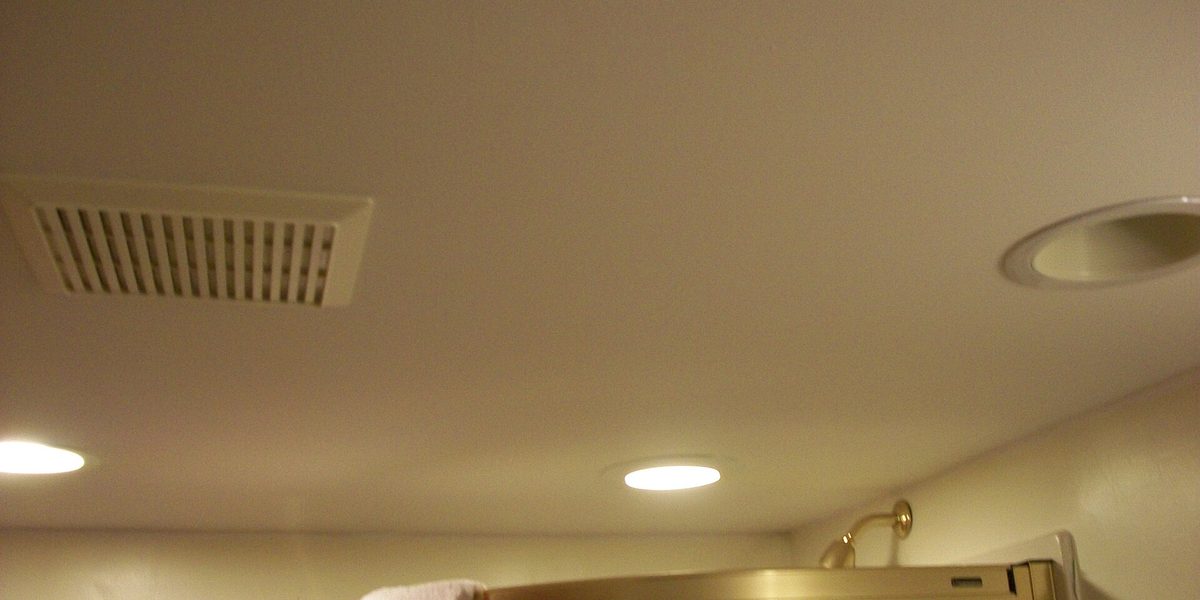
The first line of deliberate ventilation is spot exhaust: fans placed where the trouble is made. The bathroom fan exists because a single shower releases a remarkable load of water vapor, and removing it at the source, before it wanders into closets and window frames, is vastly easier than dealing with it after it condenses. Its worth depends on two things people rarely check: whether it actually moves air, a tissue held to the grille answers that, and whether it runs long enough, since moisture lingers after the mirror clears.
The kitchen's range hood does the same job for cooking, capturing steam, grease, and combustion byproducts, especially important over gas burners. A crucial detail for both: they must duct to the outdoors. A bathroom fan that simply dumps into the attic relocates the shower into the coldest part of the house, where the moisture condenses on framing, and recirculating range hoods filter grease but exhaust nothing. The dryer vent completes the trio, carrying away the moisture wrung from every load of laundry.
Whole-Home Ventilation: Breathing on Purpose
Spot fans handle events; whole-home ventilation handles the baseline, the continuous freshening a tight house cannot achieve on its own. The approaches differ mainly in what they push and pull:
- Exhaust-only systems run a quiet fan continuously, pushing stale air out and letting makeup air seep in through the envelope.
- Supply-only systems do the reverse, drawing in filtered outdoor air and letting stale air leak outward.
- Balanced systems do both at once, and the refined versions, heat recovery and energy recovery ventilators, pass the incoming and outgoing streams over a heat exchanger so the fresh air arrives pre-warmed in winter and pre-tempered in summer, recovering most of the energy that ventilation would otherwise throw away.
Recovery ventilators are the elegant resolution of the old trade-off: fresh air without paying full price to recondition it. Homes with any of these systems should treat them like the appliances they are, with filters and intakes that need occasional attention, because a ventilation system choked with debris is a house holding its breath. The right amount of ventilation is a moving target that depends on occupants, habits, and climate, which is why these systems usually offer adjustable speeds; the goal is steady freshness, not a gale.
What Poor Ventilation Looks Like
A under-ventilated house announces itself, though the signs are usually blamed on other things. Windows that fog regularly in cold weather mean moisture is accumulating faster than it leaves. Mildew appearing in closet corners, behind headboards, and along exterior-wall baseboards marks where damp air met cool surfaces and lingered. Odors that overstay, a lived-in smell that greets you at the door, condensation rings on window sills, and a stuffy, headachy feeling in tightly closed bedrooms overnight all point the same direction.
The bedroom case deserves emphasis because it is so common: a closed door, two sleeping people, and eight hours produce a room whose air is measurably staler by morning, which is why many people sleep better with a cracked door or window, and why nurseries and small offices deserve the same consideration whenever a door stays closed for hours. None of these signs requires instruments to notice. The house is reporting its air exchange rate through its surfaces and smells, and chronic reports are worth answering with more deliberate airflow rather than more air freshener.
A Note on Balance and Combustion
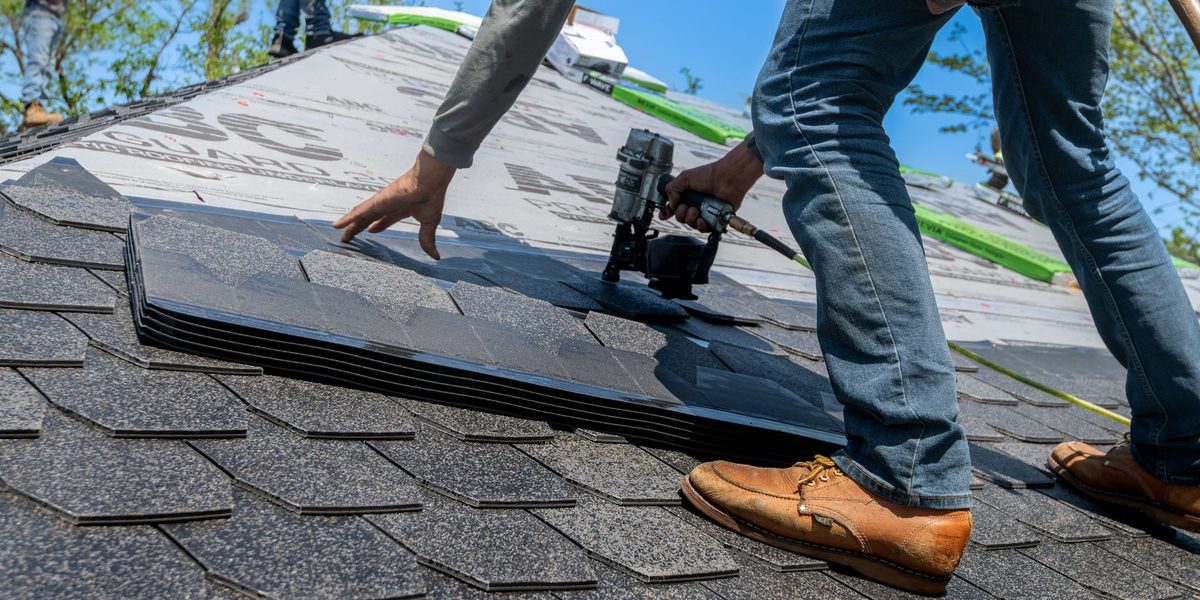
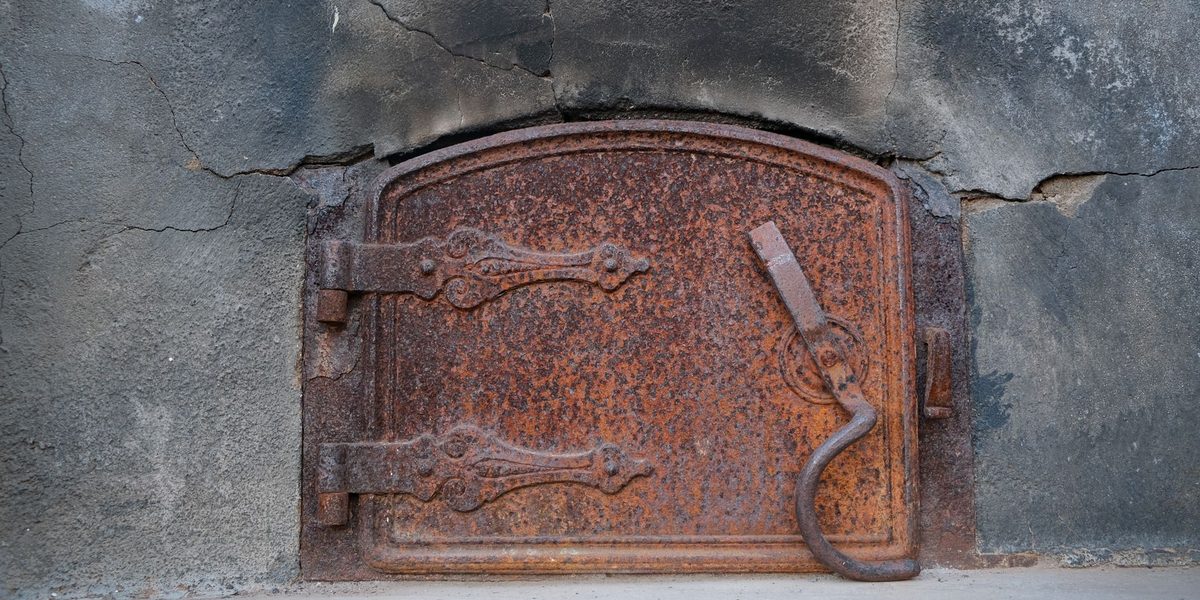
Air leaving a house must be replaced, and powerful exhaust equipment can tip the balance. A large range hood running in a tight house lowers indoor pressure, and that suction has to pull air from somewhere. In homes with older chimney-vented furnaces or water heaters, strong depressurization can, in the wrong conditions, interfere with those appliances' exhaust drafting up their flues. This is a solved problem in modern construction, through makeup air provisions and sealed-combustion appliances that bring their own air from outside, but it is the reason ventilation changes in older homes deserve professional eyes, and one more reason carbon monoxide detectors are non-negotiable equipment. Attic and roof venting, incidentally, is its own separate breathing system for the structure rather than the people, and operates on the same rising-air principles.
Final Thoughts
Ventilation is the respiratory system of a house: stack effect and wind as the involuntary breathing, exhaust fans as the deliberate exhale at moments of exertion, and whole-home systems as the steady rhythm a tight modern building requires. The signs of poor breathing, fog, mildew, lingering smells, stale bedrooms, are easy to read once you know they are all one symptom. A home does not need to leak to be fresh. It needs what every living thing needs: a reliable way to let the old air out and the new air in, sized to the life happening inside it.