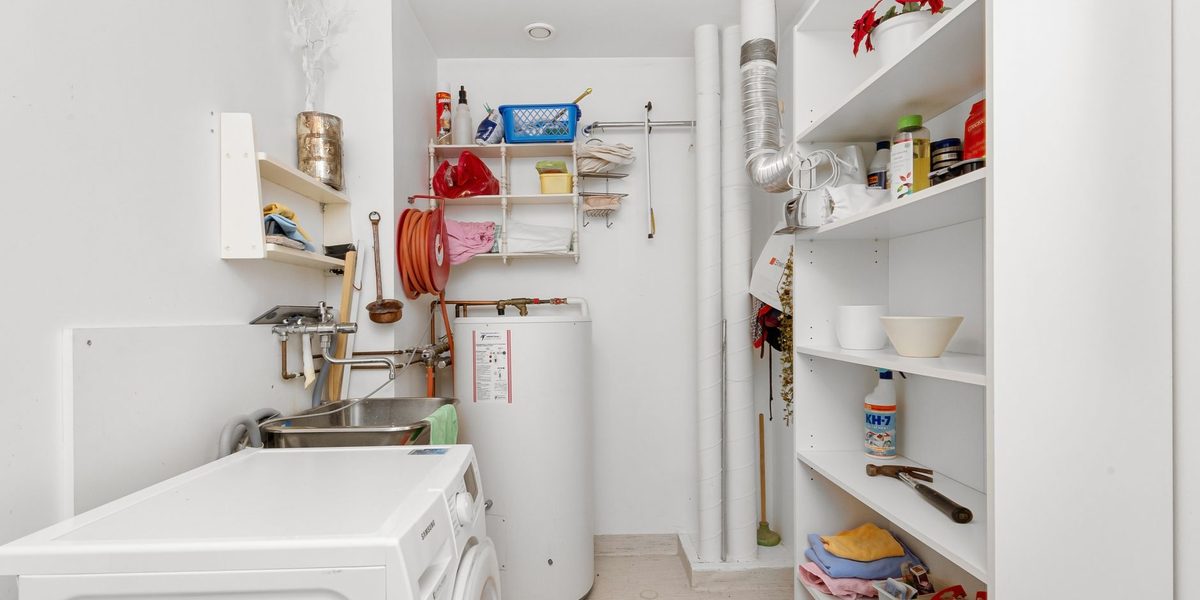
The water heater might be the most taken-for-granted machine in the house. It works silently in a basement, garage, or closet for years, and most people think about it exactly twice: when the shower suddenly runs cold, and when it is time to replace it. Yet the way it works is surprisingly elegant, and understanding it explains a whole family of everyday mysteries, from why the last person to shower suffers to why the tank sometimes rumbles like a distant kettle. This is a tour of what is happening inside, for both the classic tank and its tankless cousin.
The Storage Tank: A Big Insulated Thermos
A conventional water heater is essentially a large insulated bottle that keeps a reserve of hot water ready at all times. Cold water enters through a dip tube that delivers it to the bottom of the tank. A heat source warms it: in an electric model, one or two immersed heating elements; in a gas model, a burner beneath the tank whose exhaust rises through a central flue, warming the water around it as it goes.
Because heat rises, the hottest water naturally collects at the top of the tank, which is exactly where the hot water outlet draws from. This layering, called stratification, is the quiet genius of the design. Cold incoming water stays low near the heat source, hot water floats to the top ready for use, and the two remain surprisingly separate. When you open a hot tap, you are skimming from the warm top layer while new cold water refills the bottom.
The Thermostat and the Reheat Cycle
A thermostat watches the water temperature and switches the burner or elements on when it drops below the setpoint, then off once the target is reached. This means the heater does not run constantly, but it does run regularly, even overnight and while you are away, because the tank continuously loses a little heat through its walls. That slow loss is called standby loss, and it is the main efficiency criticism of tank heaters: you pay to keep water hot whether or not you use it.
The setpoint itself is a balance. Hotter storage stretches the supply further, because you mix in more cold at the tap, but it increases standby loss and scald risk. Cooler storage is gentler and cheaper but leaves less usable capacity. Manufacturers and plumbers generally aim for a moderate middle ground, and there are safety and water-quality reasons not to stray far in either direction, which is a good conversation to have with a professional rather than a dial to experiment with casually.
Why Hot Water Runs Out
The tank holds a fixed reserve, and the heater can only reheat so fast, a spec known as recovery rate. Everyday hot water use skims comfortably off the top while the system keeps pace. A long shower during a busy morning is another story: hot water leaves faster than the burner or elements can warm the incoming cold, the cold layer at the bottom grows, and eventually it reaches the outlet's territory. That is the moment the shower turns lukewarm, then cold.
This explains several familiar patterns. Back-to-back showers exhaust a tank faster than spaced-out ones, because spacing gives the heater time to recover. A household that added a person or a large soaking tub may suddenly find a once-adequate tank undersized. And if hot water seems to run out much faster than it used to, something inside has often changed: a failed lower heating element, a broken dip tube letting cold water short-circuit straight to the outlet, or a thick layer of sediment stealing capacity.
The Unsung Parts: Anode Rod, Sediment, and the Relief Valve
Three less famous components decide how long a tank lives. The anode rod is a sacrificial metal rod hanging inside the tank that corrodes on purpose, attracting the chemical attack that would otherwise eat the steel tank walls. When the rod is consumed and never replaced, the tank itself becomes the sacrifice, which is why anode inspection is a classic maintenance item.
Sediment is the second character. Minerals dissolved in the water settle out when heated and accumulate as a layer at the bottom of the tank. On a gas heater, that layer sits directly between the burner and the water, forcing longer, less efficient heating cycles; trapped water flashing to steam beneath it causes the popping and rumbling sounds older tanks make. Periodic flushing exists to clear this layer before it hardens.
Finally, the temperature and pressure relief valve is the safety net. If temperature or pressure ever climbs dangerously, it opens and vents water rather than letting the tank become a hazard. A relief valve that drips regularly is not a nuisance to silence; it is a messenger reporting a pressure or temperature problem worth professional attention.
Tankless: Heating Water Only When You Ask
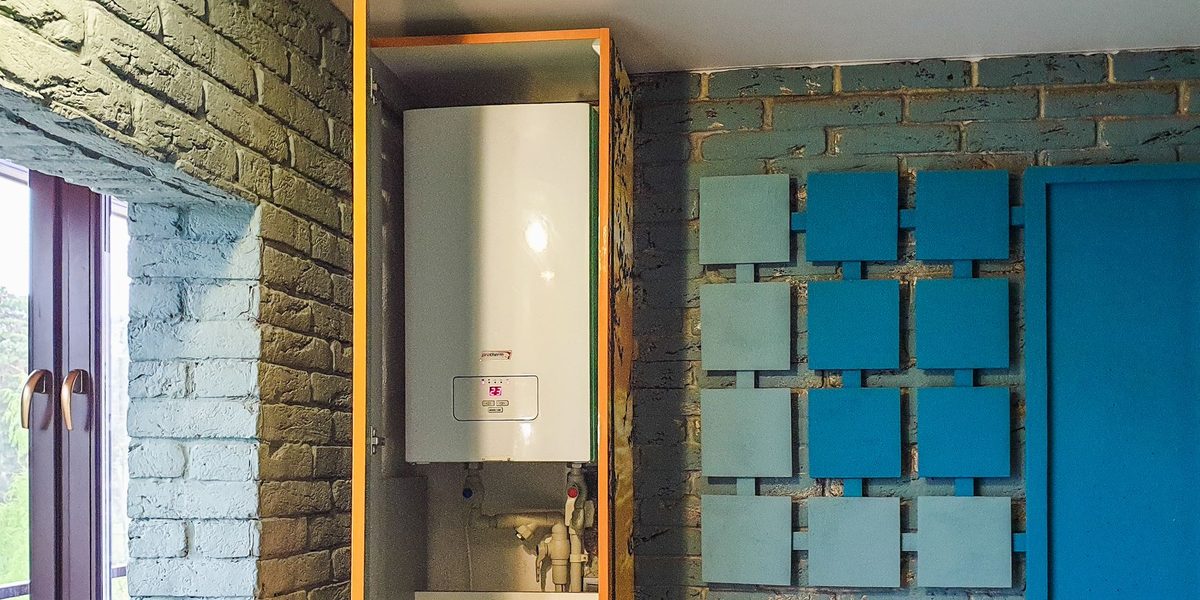
A tankless water heater takes the opposite philosophy: store nothing, heat on demand. When you open a hot tap, a flow sensor detects water moving and fires a powerful burner or heavy-duty electric elements. Water heats in real time as it passes through a compact heat exchanger, and the unit shuts down the instant flow stops. There is no stored reserve to exhaust, which produces the technology's signature promise: hot water that does not run out.
The trade-offs are about rate rather than amount. A tankless unit can heat only so many gallons per minute, so the limit shows up when several fixtures demand hot water at once rather than after a long shower. Performance also depends on how cold the incoming water is, since colder input requires more work for the same output temperature. Many units impose a minimum flow before they activate, which explains why a barely-open tap sometimes never gets warm. And because all the heating happens in narrow passages, scale buildup from hard water matters more, making periodic descaling part of ownership.
Warning Signs Worth Understanding
Most water heater failures announce themselves if you know the language. Signals worth noticing include:
- Rusty or discolored hot water, which can suggest corrosion inside the tank, especially when only the hot side is affected.
- Rumbling, popping, or kettle-like sounds, the classic voice of sediment buildup.
- Moisture or drips around the base, which may be a fitting or valve, but can also be the first sign of a tank seam giving way.
- Noticeably shorter hot showers, pointing at a failed element, broken dip tube, or heavy sediment.
- A relief valve that opens repeatedly, flagging pressure or temperature issues upstream.
A leaking tank body, as opposed to a leaking fitting, is generally the end of the road, because the tank cannot be patched from within. The other symptoms are often serviceable if caught early, which is the entire argument for paying attention. A five-second glance at the unit every month or two costs nothing and catches most of these stories in their first chapter.
Final Thoughts
A water heater is a simple promise kept by clever engineering: hot water, on demand, for years. The tank version keeps that promise with stored heat, stratified layers, and a sacrificial rod quietly giving its life for the steel around it. The tankless version keeps it with raw heating power summoned at the exact moment of need. Knowing how each works turns mysterious symptoms into readable signals, helps you ask better questions when a plumber visits, and makes the eventual replacement decision an informed choice rather than an emergency guess. Whichever style your home uses, a little curiosity about the box that heats your water pays off every single morning. The machine in the closet deserves at least that much understanding.