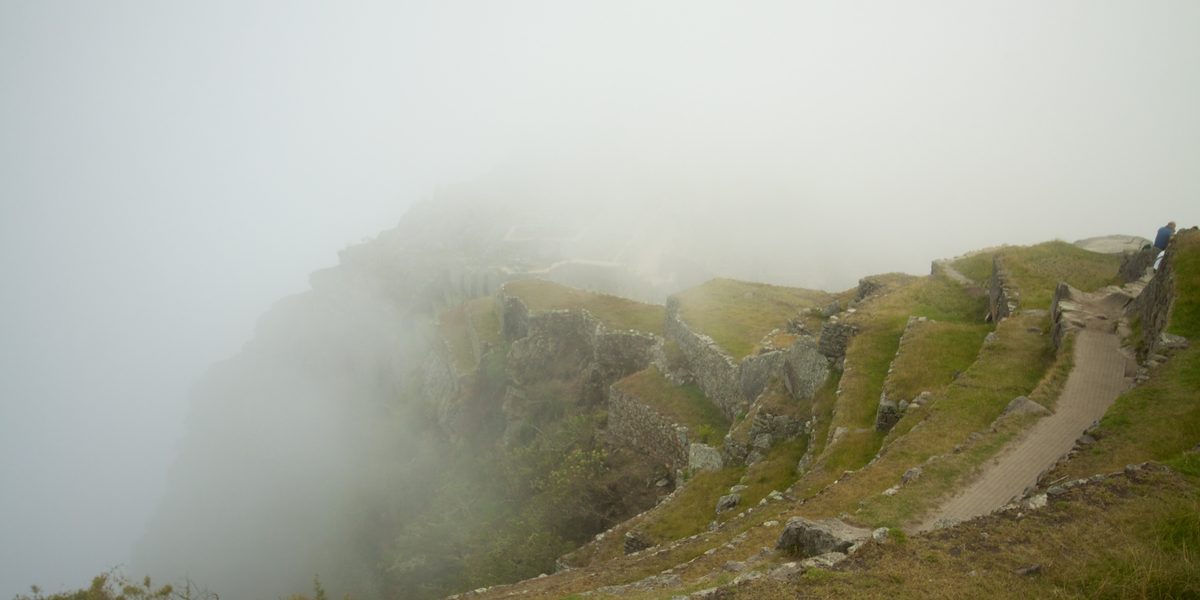
The Andes run like a spine down western South America, the longest mountain range on earth, and along their high valleys and plateaus lives one of the world’s great continuous civilizations. Travelers usually come for a single icon, Machu Picchu, and a single worry, the altitude, but the highlands reward those who arrive with wider eyes. This is a region where Inca stonework still anchors living cities, where Quechua and Aymara are everyday languages rather than museum labels, where markets and textiles carry meanings older than any empire, and where a cup of coca-leaf tea is both a welcome and a practical kindness. Understanding these threads before you go turns a sightseeing trip into something closer to a conversation.
The Inca, and Everyone Before Them
The Inca Empire is the headline of Andean history, and it earns it: in a remarkably short span, roughly a century, the Inca built the largest empire in the pre-Columbian Americas, stretching along the Andes from modern Colombia to Chile. They ruled it from Cusco without wheels for transport, without iron tools, and without writing as Europeans knew it, using instead a road network of tens of thousands of kilometers, relay runners, and knotted-cord records called quipu. Their masonry remains the signature you will see everywhere: enormous stones fitted so precisely that the joints need no mortar, built to flex through earthquakes that toppled later colonial walls above them.
The essential correction to the popular story is that the Inca were a final chapter, not the whole book. They inherited and absorbed thousands of years of earlier Andean achievement: the monumental ceremonial centers of Chavín, the fine weaving and desert lines of Paracas and Nazca cultures, the urban planning of Tiwanaku near Lake Titicaca, the metalworking of the Moche, and the vast administrative empire of the Wari. Terraced agriculture, freeze-dried potatoes, llama caravans, and highland religious ideas all predate the Inca, who were brilliant synthesizers and organizers of an already ancient world. Seeing the Andes this way makes ruins outside the famous circuit far more interesting.
Quechua and Aymara: Living Cultures, Not Relics
Millions of people across Peru, Bolivia, Ecuador, and neighboring countries speak Quechua, the language family associated with the Inca state, and Aymara, dominant around Lake Titicaca and the Bolivian high plateau. These are living, daily languages of homes, farms, radio stations, and markets. With them come distinct worldviews. Pachamama, the earth mother, receives small offerings before planting, building, or drinking; you may see people spill a few drops of a beverage on the ground for her before sipping, a gesture called a challa. The principle of ayni, reciprocity, structures rural life: help given is help owed, binding communities through shared labor on harvests and roofs.
Andean Catholicism, meanwhile, is famously layered, with saints’ festivals and mountain spirits, called apus, coexisting comfortably. Travelers should treat these practices as the serious, living faith they are. Learning a few words of Quechua, even just allillanchu for hello, tends to produce delighted smiles.
Markets and Textiles: Reading the Cloth
Highland markets are the region’s beating heart, part grocery, part social hall, part bank. Mountains of potatoes in colors you did not know potatoes came in, pyramids of fruit, sacks of grains, herbs for every ailment, and rows of weavers and vendors make them the best free cultural experience in the Andes. Etiquette is straightforward: greet vendors, handle produce gently, bargain softly and with humor if at all, and remember that the difference of a small coin matters more to the seller than to you. Always ask before photographing people or their stalls; some vendors decline, others appreciate a small purchase first.
Textiles deserve special attention because they are documents. Andean weaving is among the oldest continuous textile traditions on earth, and patterns, colors, and motifs can identify a weaver’s village, community, and status; designs encode lakes, mountains, animals, and agricultural cycles. Natural dyes from plants and cochineal insects produce the deep reds and purples. Buying directly from weaving cooperatives supports the tradition and usually gets you a piece with a story attached, and watching a backstrap-loom demonstration teaches more about Andean patience and mathematics than any placard.
Coca Leaf: A Tradition Older Than the Inca
The coca leaf occupies a place in Andean culture that surprises many visitors. For thousands of years, highland peoples have chewed coca leaves or brewed them as tea to blunt fatigue, cold, hunger, and the effects of thin air, and the leaf carries deep ceremonial importance, offered to Pachamama and the apus and exchanged in social rituals. In its natural leaf form it is a mild stimulant on the order of strong tea, and it is legal and utterly ordinary in Peru and Bolivia, where hotels in high cities routinely offer guests coca tea on arrival.
Accepting a cup is both pleasant and culturally graceful. Two cautions belong here: coca products are illegal to bring into most other countries, so consume them locally and carry none home, and travelers subject to workplace drug testing should know that even the tea can trigger positive results. Treat the leaf respectfully as heritage, not as a novelty.
Altitude: Respecting the Thin Air
Many Andean destinations sit at elevations where the air holds noticeably less oxygen, and almost everyone feels something at first: breathlessness on stairs, headache, poor sleep, or low appetite. The traditional and medical consensus points the same direction, so the general wisdom is easy to state.
- Ascend gradually when possible, giving yourself quiet days after arriving high before attempting hikes.
- Take the first day or two slowly; locals will tell you to walk like you are strolling, not marching.
- Drink plenty of water, eat lightly, and go easy on alcohol at first.
- Sleeping at a lower elevation than the day’s highest point helps many people.
- Symptoms that worsen instead of fading deserve attention: descending is the classic remedy, and severe symptoms warrant medical help promptly.
Every traveler’s body responds differently, and fitness is no predictor, so consult a medical professional before your trip about prevention and any medications appropriate for you, particularly if you have existing health conditions. Planned humility is the Andean way: even lifelong highlanders pace themselves.
Potatoes, Quinoa, and the Highland Table
The Andes gave the world the potato, and the highlands still grow thousands of varieties, from tiny golden ones to purple, knobbly heirlooms, along with chuño, the ancient freeze-dried potato made using cold mountain nights. Quinoa, the protein-rich seed the Inca prized, appears in soups and stews far heartier than the salads it tops elsewhere. Expect corn with giant kernels, fresh cheese, roasted guinea pig as a festival delicacy, hearty broths, and in Peru’s cities a celebrated modern cuisine built on these ancient ingredients. Meals are unhurried and soup-forward at altitude, which is exactly what your body wants. Trying a pachamanca, a feast cooked underground on hot stones, connects food, earth, and ceremony in one meal.
Festivals: The Calendar Comes Alive
Andean culture is most visible during festivals, when entire towns pour into plazas with brass bands, layered costumes, and dances that retell history, satire, and myth at once. Cusco’s Inti Raymi recreates the great Inca festival of the sun; Corpus Christi processions carry saints on platforms through crowds; and countless village patron-saint days blend Mass, dance troupes, fireworks, and communal feasting for days on end. Visitors are welcome almost everywhere, with easy rules: watch respectfully, ask before close-up photos of dancers, accept offered food or drink graciously, and remember that what looks like a party is often also worship.
Final Thoughts
The Andes ask a little more of travelers than most places: slower first days, warmer greetings, more patience in markets and at altitude. In exchange they offer one of the deepest cultural experiences on the planet, a living civilization wearing its whole history at once, from pre-Inca terraces to this morning’s market cloth. Arrive rested, walk slowly, sip the tea, learn a word of Quechua, and let the mountains set the pace.