Basements have a reputation: cool, a little damp, faintly musty, the natural habitat of cardboard boxes slowly going soft. That reputation is not bad luck or bad housekeeping. A basement is a room pushed into the ground, and the ground is wet, patient, and pressurized. Understanding how moisture actually travels from soil into a basement, and the crucial difference between water coming through the walls and water condensing out of the air, turns the mustiest room in the house into a solvable puzzle rather than a permanent personality trait.
The Basement's Basic Predicament
Above grade, a wall separates two bodies of air, and its job is mostly about temperature and wind. Below grade, a wall holds back soil, and soil is a sponge. After every rain, water percolates downward and sideways through it, and the soil immediately beside a house is often the loosest, most absorbent soil on the property, because it was excavated and backfilled during construction. The house sits, in effect, inside a shallow bowl of disturbed earth that collects and holds water more readily than the undisturbed ground around it.
Concrete, for its part, is not the impermeable shield people imagine. It is riddled with microscopic pores and capillaries, and it drinks. Water in contact with concrete migrates through it slowly by capillary action, the same wicking that pulls coffee up a sugar cube. So the default condition of a below-grade room is a slightly damp one, and everything about basement design, gutters, grading, drains, coatings, sumps, is an attempt to overcome that default.
Hydrostatic Pressure: The Push Behind the Leak
When soil around a foundation saturates, the water in it stops merely sitting and starts pushing. Water is heavy, and a column of saturated soil against a basement wall exerts genuine physical pressure, called hydrostatic pressure, that grows with depth. That push forces water toward any available path: the joint where wall meets floor, shrinkage cracks in the concrete, gaps around pipe penetrations, and the pores of the concrete itself.
This is why basement seepage so often appears at the base of the walls and at the floor-wall joint, and why it follows heavy rain or snowmelt by hours or a day, the time it takes water to work down through soil. It is also why sealing a crack from the inside sometimes just relocates the leak: the pressure remains, and the water finds the next-easiest path. Durable solutions tend to work on the pressure itself, by keeping water away from the foundation or giving it an easier place to go.
Seepage or Condensation? The Most Important Question
Damp basement walls have two entirely different explanations, and telling them apart determines everything that follows. Seepage is outdoor water arriving through the wall. Condensation is indoor humidity giving up its moisture onto a cool surface, the same physics as a cold drink sweating in summer, because below-grade walls and floors stay cool year-round. Both produce damp walls, wet floors, and mustiness, but one is a drainage problem and the other is an air problem.
The classic diagnostic is the foil test, and it is worth understanding conceptually even if a professional runs the fancier version: tape a square of foil tightly to the damp wall, sealed at the edges, and return in a day or two. Moisture on the room side of the foil condensed out of the basement air. Moisture trapped behind the foil came through the wall from outside. Damp on both sides means both problems at once, which is common. The timing offers a second clue: seepage tracks rainfall, while condensation tracks humid weather and often peaks in summer, when muggy air meets the coolest walls in the house.
Where the Water Comes From: Usually the Roof
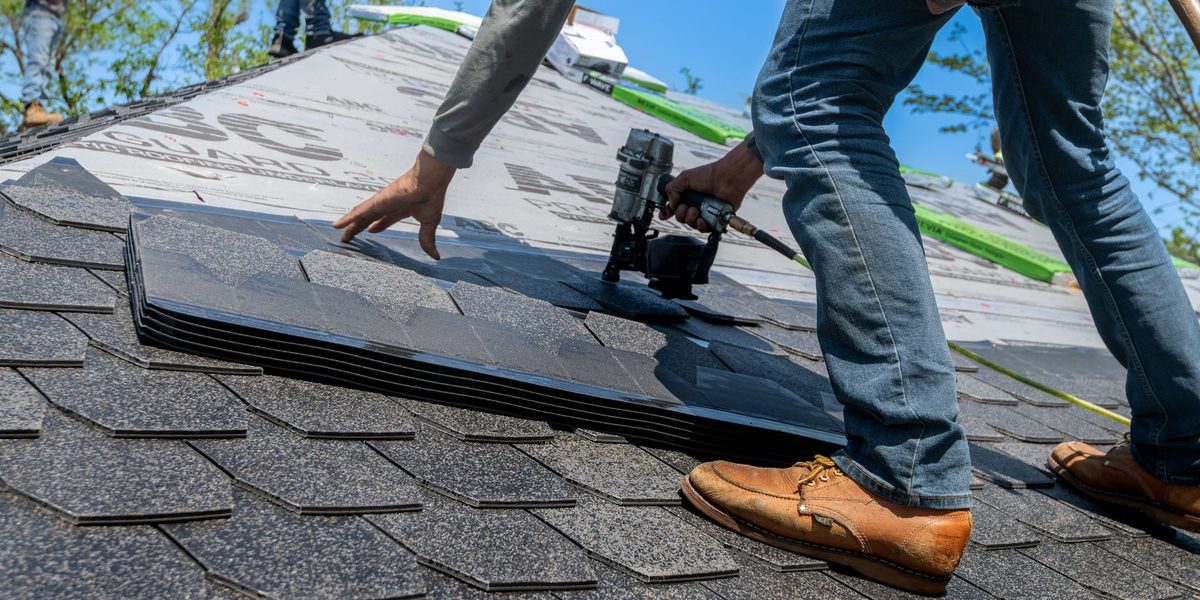
The largest source of foundation water is rarely groundwater rising mysteriously from below. It is the roof. A house roof intercepts an enormous volume of rain, concentrates it into gutters, and discharges it at a handful of downspout locations. If a downspout releases that concentrated flow right beside the foundation, or into soil that slopes back toward the house, the basement wall below receives water at a rate no soil can shrug off.
This is why the least glamorous items in home maintenance, clean gutters, downspout extensions, and grading that slopes away from the house, are the first prescription for nearly every wet basement. They attack the supply. Interior measures like sump pumps and perimeter drains manage water that has already arrived; exterior water management tries to keep it from arriving at all. Professionals reach for the expensive tools after the cheap ones are verified, and homeowners can run that same checklist by eye after any hard rain.
The Machinery: Sumps, Drains, and Barriers, Conceptually
Basement water defenses form layers, and each has a distinct conceptual job:
- Footing drains are perforated pipes laid around the foundation's base, collecting water from the surrounding soil and carrying it away before pressure builds.
- A sump pit and pump are the collection point and ejector: water gathered by drains, or rising beneath the floor, flows to the low point and is pumped out and away from the house.
- Waterproof coatings and membranes on the exterior resist water entry; interior sealers slow vapor migration through the concrete's pores.
- Vapor barriers under floors and behind finished walls block ground moisture from wicking into living spaces and materials.
- A dehumidifier handles the air side, wringing out the humidity that cool basement surfaces would otherwise condense.
No single layer solves everything, because they address different routes: bulk water under pressure, slow capillary wicking, vapor drifting through concrete, and humidity already in the air. When a basement stays stubbornly damp, the productive question is which route is still open. It is also why a dehumidifier alone can disappoint: it dries the air faithfully while the wall keeps importing new moisture from the soil, a race the machine runs forever and never wins. Match the tool to the route and the same equipment suddenly looks effective.
The Musty Smell, Decoded
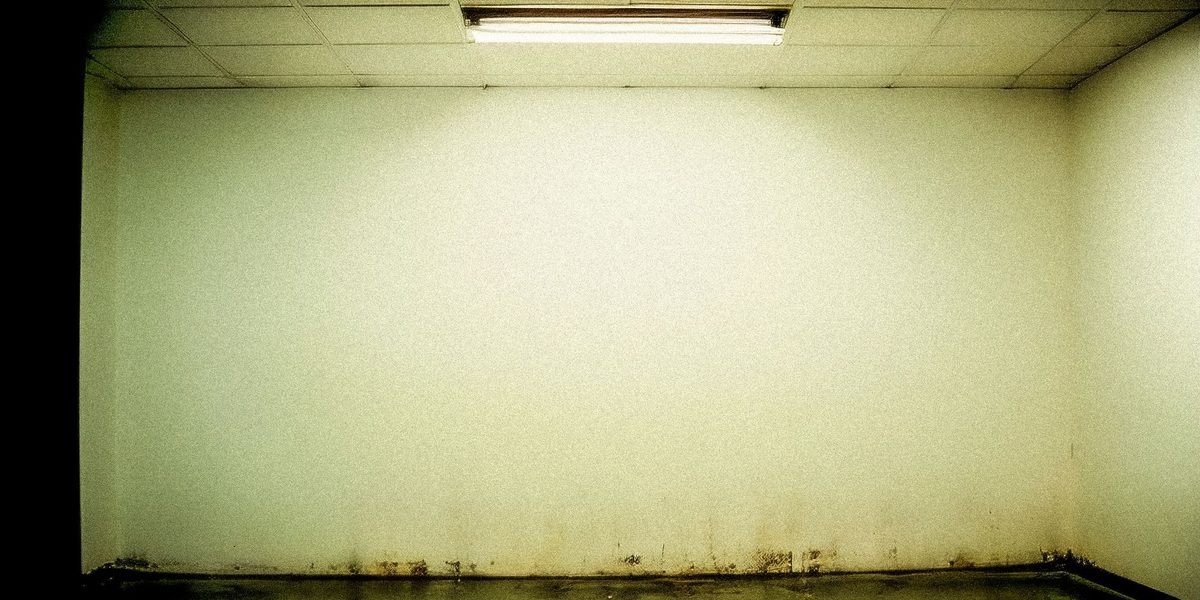
That unmistakable basement smell is biology reporting on physics. Mold and mildew spores are everywhere, always, and they activate wherever they find persistent moisture and something to eat, cardboard, wood, dust, fabric. The odor is their metabolic signature, and its strength tracks the dampness that sustains them. A basement that smells musty is announcing sustained elevated humidity, whatever the source.
The smell also explains why storage habits matter down there. Cardboard boxes on a concrete floor wick moisture from below and hold it against their contents; plastic bins on shelving break both the wicking path and the feast. Chronic mustiness deserves attention beyond air fresheners, because the same conditions that feed the smell degrade stored belongings, framing, and finishes, and heavy mold growth is a health conversation worth having with professionals rather than a scent to mask.
Final Thoughts
A damp basement is not a moral failing or a mystery. It is a room in the ground obeying the rules: soil holds water, water under pressure finds paths, concrete wicks, and cool surfaces condense humid air. The response follows the same logic in order, manage the roof water, slope the soil, distinguish seepage from condensation, and only then bring in the heavier machinery of drains, sumps, and barriers. Read the walls after a storm, run a foil test, trust your nose, and the mustiest room in the house becomes, if not exactly luxurious, at least fully understood, and an understood basement is one that rarely delivers expensive surprises.