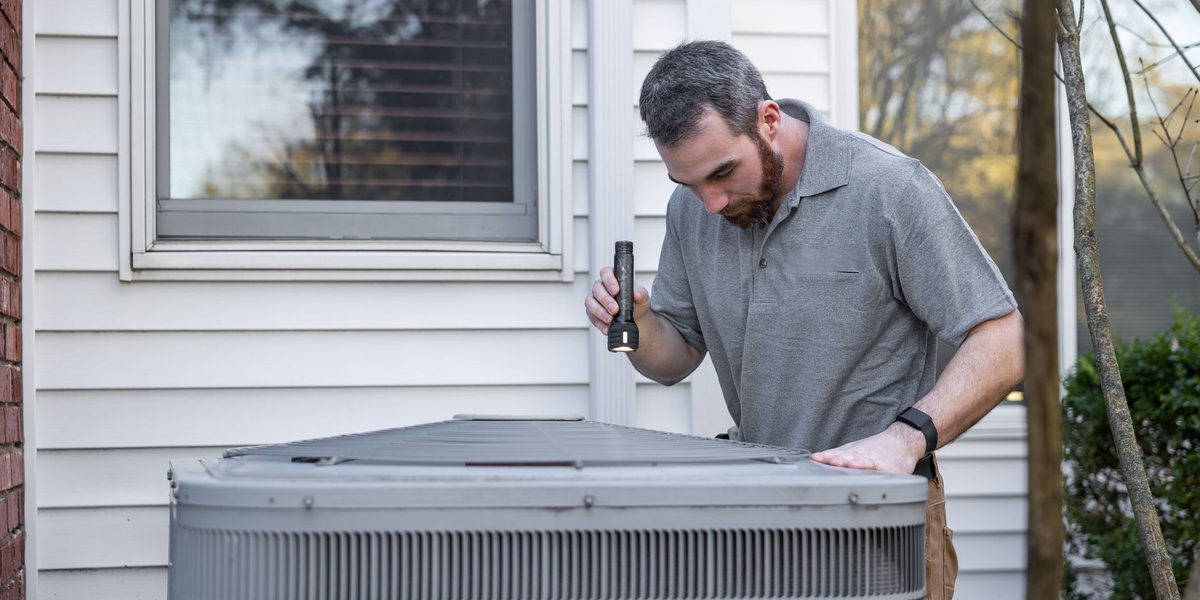
Few parts of a house are as important, and as poorly understood, as the heating and cooling system. Most of us interact with it through a single small device on the wall, and everything beyond the thermostat feels like a mystery of humming machinery in the basement or beside the house. Yet the ideas behind an HVAC system are surprisingly approachable. Once you understand what each major component does and how they work together, the noises, cycles, and quirks of your system start to make sense, and you become a far better judge of when something actually needs professional attention.
One System, Two Jobs
HVAC stands for heating, ventilation, and air conditioning, and in most homes those jobs are handled by one interconnected system. The heart of it is a machine that conditions air, either warming it or cooling it, and a blower that pushes that air through a network of ducts to every room. The thermostat acts as the brain, comparing the temperature it senses against the temperature you asked for, and switching the equipment on and off to close the gap.
What surprises many homeowners is that heating and cooling share most of their infrastructure. The same blower, the same ducts, and the same filter serve both. In a typical forced-air home, the furnace or air handler sits at the center, and the air conditioning components are essentially added onto it. That shared design is why a problem with one part, like a clogged filter, can affect both your winter comfort and your summer comfort.
The Heating Side: Furnace and Air Handler
A gas furnace works by burning fuel inside a sealed chamber called a heat exchanger. The exchanger is a set of metal passages that get very hot on the inside while household air flows across the outside. The two air streams never mix: combustion gases stay inside the exchanger and exit through a flue, while the clean, warmed household air is pushed into the ducts. This separation is the entire safety premise of a furnace, which is why technicians pay so much attention to the condition of the heat exchanger during inspections.
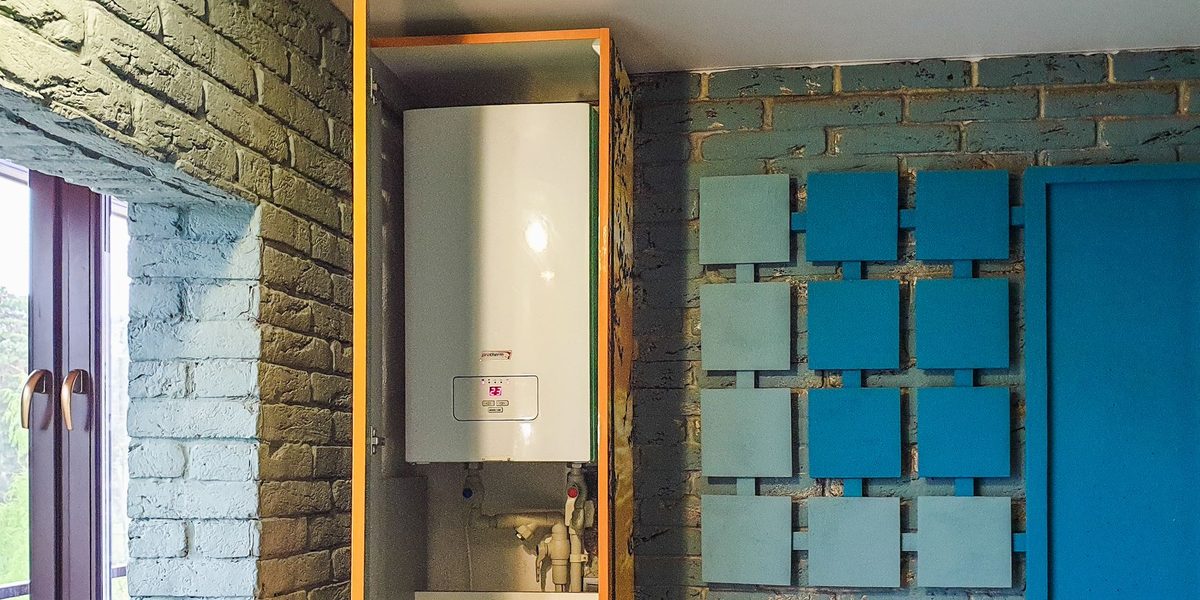
Homes without gas often use an air handler paired with electric resistance coils or a heat pump. An air handler is essentially a furnace without the burner: a cabinet containing the blower and coils. A heat pump deserves special mention because it does not create heat at all. It moves heat, extracting warmth from outdoor air, even chilly air, and releasing it indoors. In summer it reverses direction and moves heat out of the house. That reversibility is why a heat pump looks almost identical to a central air conditioner from the curb.
The Cooling Side: How the Refrigerant Cycle Works
Air conditioning feels like magic, but it rests on one simple principle: when a liquid evaporates, it absorbs heat, and when a vapor condenses, it releases heat. Refrigerant is a chemical chosen because it evaporates and condenses at convenient temperatures. Your air conditioner pumps this refrigerant in a continuous loop between an indoor coil and an outdoor coil, evaporating it inside to soak up heat from your air, and condensing it outside to dump that heat into the yard.
The compressor, that humming unit outside, is the pump that drives the loop. It squeezes the refrigerant vapor, raising its pressure and temperature so it can release heat outdoors even on a hot day. A metering device then drops the pressure sharply before the refrigerant returns indoors, making it cold enough to absorb heat again. So an air conditioner never creates cold; it relocates heat. The indoor coil also collects moisture as humid air condenses on its cold surface, which is why a working system has a drain line and why cooling makes a home feel drier as well as cooler.
Ducts: The Delivery Network
Ducts are the circulatory system of a forced-air home, and they come in two types that homeowners often confuse. Supply ducts carry conditioned air from the equipment out to the rooms, ending at the registers you feel air blowing from. Return ducts do the opposite, pulling room air back to the equipment to be filtered and conditioned again. A healthy system needs both sides balanced: every cubic foot of air pushed into a room must have a path back. Closed doors, blocked returns, or shut registers disturb that balance and force the blower to strain against pressure it was not designed for.
Ducts also leak, and leakage matters more than most people expect. A supply duct leaking into an attic or crawlspace is literally pouring heated or cooled air into unlivable space, while a leaky return can pull dusty, unconditioned air into the system. Uneven temperatures between rooms often trace back to duct design and condition rather than the equipment itself.
The Filter: Small Part, Big Job
The filter is not primarily there to clean the air you breathe. Its first job is to protect the equipment, keeping dust off the blower motor and the indoor coil. A coil coated in dust cannot transfer heat efficiently, and a starved blower runs hot. When a filter clogs, airflow drops, and low airflow is behind a remarkable share of HVAC complaints: weak vents, long run times, a furnace overheating and shutting itself off, or an air conditioner coil getting so cold it ices over. Understanding that one relationship, airflow equals health, explains why every technician asks about the filter first.
Why Sizing Matters More Than Power
It is natural to assume a bigger system is better, but HVAC equipment is sized to match the home's heat gain and loss, and oversizing causes real problems. An oversized air conditioner cools the air so quickly that it shuts off before it has time to wring out humidity, leaving the house cold but clammy. An oversized furnace short-cycles, blasting heat and stopping, which creates temperature swings and extra wear on components that suffer most during startup. Undersized equipment has the opposite flaw: it runs constantly and never quite catches up on extreme days. Proper sizing comes from a load calculation that considers insulation, windows, orientation, and climate, which is why reputable installers measure rather than guess.
Common Symptoms, Decoded
Most everyday HVAC symptoms map to a small set of causes. Knowing the likely story behind each helps you describe problems accurately and spot the ones that deserve prompt attention.
- Weak airflow from vents: usually a clogged filter, blocked returns, or duct problems, not failing equipment.
- System runs constantly on mild days: possible undersizing, low refrigerant, or a struggling blower; worth a professional look.
- Ice on the refrigerant lines or indoor coil: a sign of restricted airflow or low refrigerant; continuing to run it can damage the compressor.
- Short bursts of heating or cooling: short-cycling from oversizing, an overheating furnace, or a thermostat placed near a draft or heat source.
- Water around the indoor unit: typically a clogged condensate drain rather than a leak in the equipment itself.
- Burning smell at first heat of the season: often just dust burning off the heat exchanger; a persistent or electrical odor is different and deserves attention.
Final Thoughts
Your HVAC system is less a mysterious appliance than a set of simple ideas working together: burn or move heat, blow air across a coil, deliver it through ducts, and return it for another pass. The thermostat conducts, the filter protects, and airflow ties everything together. You do not need to service any of it yourself to benefit from understanding it. Knowing how the pieces relate helps you notice symptoms early, ask sharper questions, and recognize when a contractor's explanation makes sense, which is one of the quietest but most valuable skills a homeowner can have.