 (Image via
The way we clean our spaces is undergoing a significant evolution, driven by a growing awareness of health, sustainability, and the power of technology. As we move into 2025, the days of using harsh chemicals and relying solely on manual effort are fading. Instead, a new set of cleaning trends is emerging, prioritizing eco-friendly practices, intelligent automation, and scientifically-backed hygiene. These changes are reshaping routines in homes and businesses alike, making cleaning more effective, efficient, and aligned with modern values. We’ll explore the most influential cleaning trends for 2025, from smart devices that do the work for you to sustainable solutions that protect both your health and the planet.
A Smarter, Greener Approach to Cleanliness
The core of the 2025 cleaning movement is a shift in mindset. Consumers and professionals are no longer just focused on making a space look clean; they are interested in creating genuinely healthy environments. This means considering the environmental impact of cleaning products, the air quality within a room, and the long-term effects of the methods we use. The most prominent trends reflect this deeper understanding, blending a back-to-basics appreciation for natural ingredients with cutting-edge technology. This new approach proves that a powerful clean does not have to come at the expense of our well-being or the planet's health.
The Driving Forces Behind New Cleaning Methods
Several key factors are accelerating these changes:
- Heightened Health Consciousness: A greater understanding of how germs, allergens, and airborne particles affect health is leading people to seek more thorough and scientifically-proven cleaning methods.
- Demand for Sustainability: Consumers are increasingly scrutinizing the products they buy, favoring brands that offer biodegradable formulas, refillable packaging, and ethically sourced ingredients.
- Technological Integration: The rise of the smart home has paved the way for automated and connected cleaning devices that offer unparalleled convenience and efficiency.
The Rise of Sustainable Cleaning Solutions
One of the most significant cleaning trends for 2025 is the widespread adoption of sustainable practices. This goes far beyond simply choosing a "green" spray bottle off the shelf. It involves a holistic approach to reducing waste and chemical exposure throughout the entire cleaning process.
Refillable and Concentrated Products
The war on single-use plastic has officially reached the cleaning aisle. Brands are increasingly offering concentrated cleaning pods, tablets, and liquids that are mixed with water at home in reusable bottles.
- Reduced Plastic Waste: This model drastically cuts down on the amount of plastic packaging being manufactured and thrown away.
- Lower Carbon Footprint: Shipping small concentrates instead of heavy, water-filled bottles reduces transportation emissions, making it a more eco-friendly option from start to finish.
- Cost-Effectiveness: Over time, buying refills is often more economical for consumers than repeatedly purchasing new bottles.
The Power of Water-Based Cleaning
Innovative technologies are now harnessing the natural power of water to clean and disinfect without chemicals. Electrolyzed water, or "engineered water," is a prime example. These systems use electricity to alter the properties of tap water and salt, creating a powerful yet non-toxic cleaning solution on demand. This trend is gaining traction in both commercial and residential settings as a powerful, sustainable cleaning solution.
Smart Cleaning Devices Get More Intelligent
Automation is no longer a novelty; it's an expectation. Smart cleaning devices are becoming more sophisticated, autonomous, and integrated, taking much of the labor out of maintaining a clean home or office.
The Next Generation of Robotic Cleaners
Robotic vacuums and mops have been around for a while, but the latest models for 2025 are a major leap forward.
- Self-Sufficient Hubs: High-end robots now come with all-in-one docking stations that not only charge the device but also empty its dustbin, refill its water tank, and even wash and dry its mopping pads. This offers a truly hands-off cleaning experience for weeks at a time.
- AI-Powered Navigation: Advanced AI and LiDAR mapping allow these devices to identify and avoid obstacles with greater precision, from stray socks to pet waste. They can also recognize different floor types and adjust suction power or mopping intensity accordingly.
- Voice and App Integration: Seamless integration with smart home ecosystems allows users to start, stop, and schedule cleanings with simple voice commands or through a sophisticated mobile app.
UV-C Light Disinfection
The use of UV-C light for sanitization is expanding beyond hospitals and into consumer-grade products. This technology uses short-wavelength ultraviolet light to kill or inactivate microorganisms by destroying their nucleic acids. We are seeing this integrated into various smart cleaning devices, such as self-cleaning water bottles, portable sanitizing wands for surfaces, and even robotic vacuums that disinfect floors as they clean.
Innovations in Cleaning Formulations and Tools
Alongside high-tech gadgets, the actual products and tools we use are also getting a major upgrade. The focus is on efficacy, specialization, and user-friendliness.
Probiotic and Enzyme-Based Cleaners
Inspired by the natural world, probiotic and enzyme-based cleaners use "good" bacteria and natural proteins to break down dirt, grime, and odors.
- Deep Cleaning Action: Unlike traditional cleaners that just lift surface dirt, these formulas continue working long after application, breaking down organic matter in cracks and crevices.
- Odor Elimination: Instead of masking odors, enzyme cleaners eliminate the source of the smell, making them highly effective for pet stains, garbage disposals, and bathroom odors.
- Gentle and Safe: These cleaners are typically non-toxic and biodegradable, making them a safe choice for families with children and pets.
Microfiber Technology and Material Science
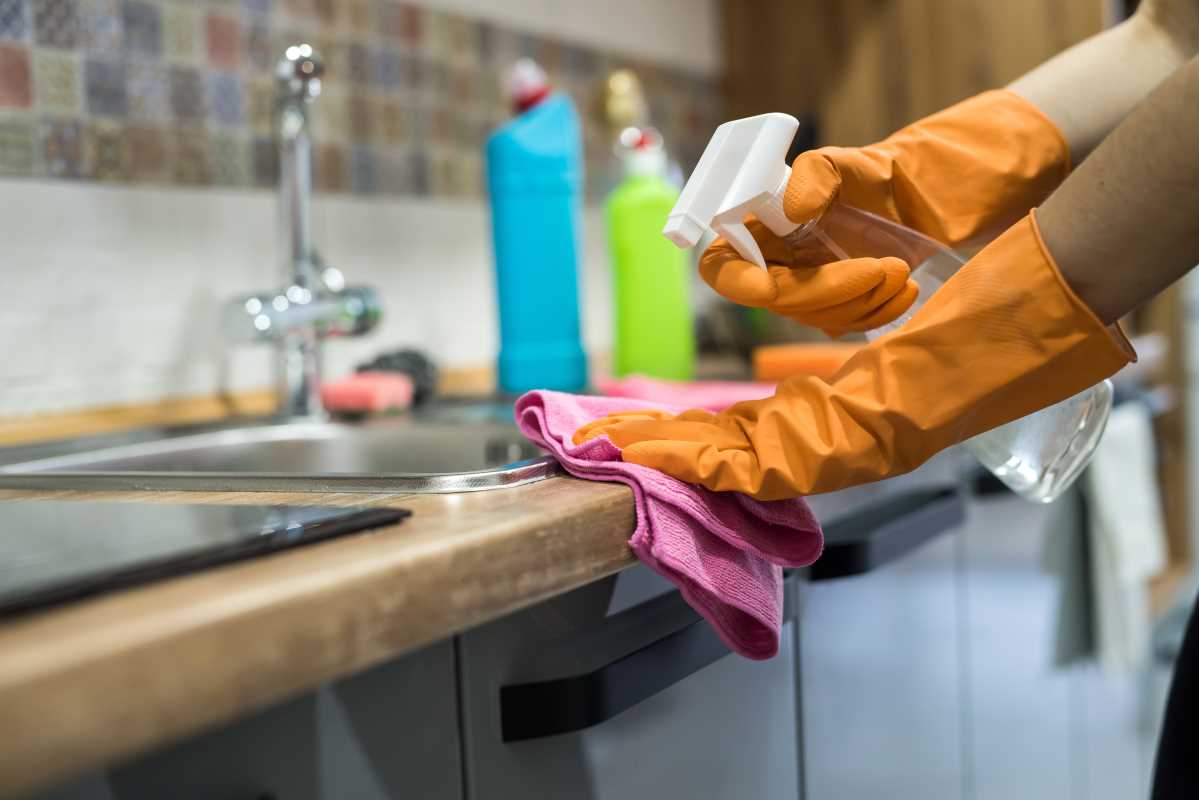
The humble cleaning cloth has become a high-tech tool. Premium microfiber cloths are designed with specific weaves and textures to trap dust, dirt, and bacteria with just water, reducing the need for chemical sprays. We are also seeing the development of self-purifying surfaces and materials treated with antimicrobial coatings, which inhibit the growth of mold and bacteria, contributing to a cleaner environment with less effort.
Embracing the Future of Clean
The cleaning trends for 2025 are all about working smarter, not harder. By embracing sustainable solutions, leveraging smart technology, and choosing innovative products, you can achieve a higher standard of cleanliness and hygiene while saving time and reducing your environmental impact. Whether you are a homeowner looking for convenience or a business owner aiming for professional-grade results, these trends offer powerful new ways to think about and manage the spaces where we live and work. The future of cleaning is efficient, intelligent, and consciously clean.
.jpeg)