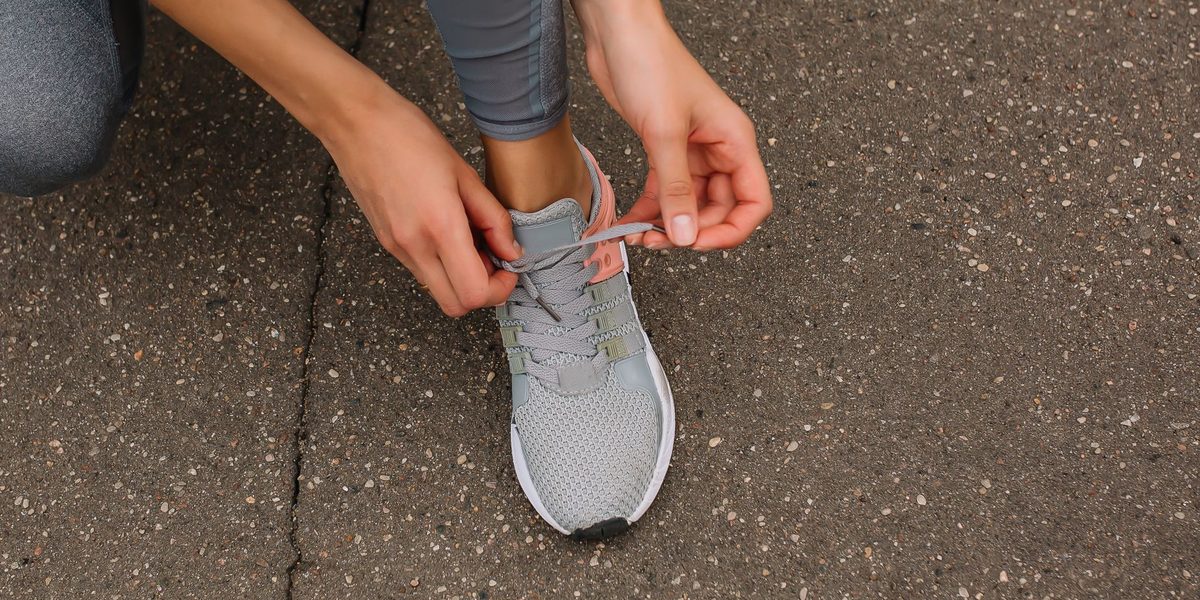
When we picture “being active,” we tend to imagine the dramatic version: gym sessions, running shoes, scheduled workouts with a start and an end. That picture leaves out something enormous — everything else. The walk to the bus stop, the stairs to the second floor, the lap around the house while on a phone call, the groceries carried in from the car. This ordinary, unplanned motion is what researchers sometimes call non-exercise movement, and it quietly makes up a huge share of how active a person actually is. Understanding it changes how you think about your day. You don't have to become an athlete to become a mover — and walking, the most underrated activity there is, sits right at the center of the story.
The Movement Hiding in Plain Sight
Here's a useful reframe: your activity isn't just what happens in workout clothes. It's the sum of every time your body does something instead of nothing — standing rather than sitting, walking rather than riding, carrying, climbing, reaching, tidying, pacing. Each moment of motion asks your muscles to work and your heart to deliver, and those small requests accumulate across a day the way spare change accumulates in a jar.
This matters because modern life has engineered so much of this incidental motion away. Cars, elevators, delivery apps, desk jobs, and screens have removed thousands of small physical tasks our routines used to include. None of these conveniences is a villain on its own, but together they can shrink a day's movement to almost nothing without anyone deciding that on purpose. The encouraging flip side: the same logic runs in reverse. Small choices that add motion back — a few here, a few there — restore that background hum of activity just as invisibly as it disappeared.
Why Walking Is So Underrated
Walking suffers from an image problem: it seems too easy to count. There's no equipment, no learning curve, no sweat-soaked finish line, so we assume it can't be doing much. That assumption gets the situation backwards. Walking is a whole-body coordination act — legs driving, arms swinging, core balancing, heart and lungs supporting the effort — refined by a lifetime of practice into something that feels effortless. Feeling easy isn't the same as doing nothing.
Walking's real superpowers are accessibility and repeatability. Most activities compete with your life; walking integrates into it. It requires no schedule, no membership, and no recovery day. It scales to almost any fitness level and any pace, from a stroll to a brisk march. It can be social or solitary, indoors or outdoors, five minutes or fifty. Because the barrier is so low, walking is the physical activity people can actually sustain across years and decades — and with movement, the version you keep doing beats the version you keep quitting, every time.
Energy: The Surprising Math of Motion
One of the most counterintuitive things about movement is its relationship with energy. Intuition says activity spends energy, so rest must restore it — yet most people notice the opposite pattern in daily life. Long, unbroken stretches of sitting tend to leave the body feeling heavy and the mind foggy, while a short walk often does what another coffee couldn't: you return more awake than you left.
In general terms, this makes sense. Movement gets blood circulating, wakes up muscles that stillness had switched to standby, and gives the brain a change of scene and stimulation. The body reads gentle activity as a signal to run its systems a little brighter. That's why a walk can function as a reset button between tasks, after lunch, or during the mid-afternoon slump. Rest is essential — but a lot of what we call tiredness during a sedentary day is closer to stagnation, and stagnation responds to motion.
Mood: A Walk Is a Change of State
People have known for centuries that walking helps them think and feel better; philosophers famously paced while they worked through hard problems. In everyday terms, a walk changes your state in several stacked ways at once. It moves you physically, which the body generally rewards with a sense of loosening and release. It changes your surroundings, interrupting the loop of whatever you were staring at or stewing over. Its steady rhythm has a settling, almost metronome-like quality. And if it takes you outside, it adds daylight, fresh air, and the mild interest of a world going about its business.
None of this is a cure for anything, and it's not meant to be. It's smaller and more reliable than that: a tool for shifting gears. Stuck on a problem, irritated after a meeting, restless in the evening — “I'm going to walk around the block” is one of the most dependable state-changers available, free and always in stock. And to be clear, if low mood is persistent or heavy, that deserves a conversation with a healthcare professional, not just a longer walk.
Joints: Built to Be Used
A common instinct is to protect joints by resting them, as though knees and hips were machine parts wearing down with every use. Living joints don't quite work that way. The tissues in and around a joint stay healthiest when they're regularly and reasonably used — motion helps circulate the fluid that lubricates joints and keeps the surrounding muscles strong enough to share the load. In a general sense, joints follow the body's broader rule: use it or lose it, gently.
Walking is a particularly friendly way to provide that use. It's low-impact, rhythmic, and self-paced, moving the ankles, knees, and hips through their natural motion over and over without sudden forces. Many people notice that stiffness from sitting eases once they've been on their feet a while — the body warming to its work. As always, this is a general concept, not personal advice: anyone with joint pain or concerns should talk with a healthcare professional about what's appropriate for them.
Ways an Ordinary Day Adds Movement
The beauty of everyday movement is that you rarely need new time for it — you need small swaps inside the time you already have. Some classics:
- Take the stairs when the trip is short, and treat them as a free mini-workout rather than an obstacle.
- Park a little farther away, or get off transit one stop early, converting a few dull minutes into walking minutes.
- Walk while you talk. Phone calls are movement opportunities in disguise, at home or around the office.
- Make errands on foot when distance allows — the pharmacy, the mailbox, the corner store.
- Break up sitting with a brief wander whenever you finish a task, refill water, or wait for something to load or brew.
- Let chores count. Cleaning, gardening, carrying, and tidying are all genuine movement wearing everyday clothes.
Notice what's missing: targets, streaks, and gadgets. Counting can be motivating for some people, but the concept doesn't require it. The real skill is noticing choice points — the dozens of daily moments where a slightly more physical option exists — and taking the moving option a bit more often than you used to.
Final Thoughts
Everyday movement counts because bodies keep score of everything, not just workouts. Walking — ordinary, unglamorous, endlessly available — is the backbone of that hidden activity, gently supporting energy, mood, and comfortable joints while asking almost nothing in return. You don't need a plan, a program, or perfect consistency. You need a slightly different eye: one that sees stairs, errands, and phone calls as chances to move. Start where your day already is, add motion in small honest ways, and let the ordinary do what it has always quietly done.