Somewhere on your wrist, your phone, or a machine at the gym, a number is blinking: your heart rate. Wearable devices have made this figure part of daily life, yet most of us were never taught how to read it. Is a higher number bad? Why is it different this morning than last night? Does it mean anything that it jumped during a stressful meeting? This guide walks through what heart rate actually represents, why it moves the way it does, and how to think about the numbers without anxiety. The short version: your heart rate is less like a grade and more like a conversation — one your body is having with the world around it, all day long.
What a Heart Rate Actually Is
Your heart is a muscular pump, and your heart rate is simply how many times it beats in a minute. Each beat pushes blood through the body, delivering oxygen and nutrients and carrying away waste. When the body needs more of those deliveries — during a brisk walk, a flight of stairs, a moment of excitement — the heart speeds up. When demand falls, it slows down. The number, in other words, is a live readout of how hard your body is working and what it thinks it needs.
What makes this interesting is that the heart doesn't decide its own pace. It takes orders from the nervous system and from chemical messengers circulating in the blood. One branch of the nervous system acts like an accelerator, raising the rate when action is required. Another acts like a brake, easing it down when it's safe to rest. Your heart rate at any moment reflects the balance between those two forces — which is why it responds not just to exercise, but to emotions, temperature, digestion, and even the anticipation of something stressful.
Resting vs. Active: Two Different Stories
Your resting heart rate is the pace your heart keeps when you're calm, still, and haven't recently exerted yourself — the body idling in neutral. Your active heart rate is whatever the pace rises to when you move. These two numbers tell different stories, and comparing your resting rate to someone's rate mid-workout is like comparing a parked car's engine to one on the highway.
Resting heart rate is most meaningful as a personal baseline observed over time. Everyone's baseline is a little different, shaped by genetics, age, fitness, medications, and more — which is why it's not useful to fixate on a single universal “correct” number. What tends to be more informative is your own pattern: what's typical for you, and whether that typical value is drifting. Active heart rate, meanwhile, mostly tells you about effort. Harder work means a faster pulse. Watching how quickly your rate climbs during effort and settles afterward can, over months, become a rough personal gauge of how your body handles exertion.
Why Fitness Changes the Number
Here's one of the most satisfying ideas in exercise physiology: as you get fitter, your heart often doesn't need to beat as frequently at rest. Regular activity gradually makes the heart a stronger, more efficient pump. A stronger pump can move more blood with each individual beat — so it can meet the body's resting demands with fewer beats overall. That's why a lower resting heart rate is often associated with good aerobic conditioning: it can be a sign of efficiency, the cardiovascular equivalent of a rower who covers more water with fewer, more powerful strokes.
Fitness also tends to change how the heart behaves around exercise. Well-conditioned bodies often ramp up more smoothly and return toward baseline more quickly once the effort ends. None of this happens overnight, and none of it requires athletic ambition — consistent, moderate movement over time is what nudges the system in this direction. The heart adapts to what you ask of it regularly, not to what you did once.
The Everyday Things That Move the Needle
People are often surprised by how many ordinary things show up in their heart rate. If your number seems different than usual, the explanation is frequently mundane. Common influences include:
- Stress and emotion. The nervous system's accelerator responds to psychological pressure just as it does to physical effort — a tense email can raise your pulse from a chair.
- Sleep. Short or restless nights often leave the body running slightly “hotter” the next day, with a higher resting rate than usual.
- Caffeine. It's a stimulant, and for many people it nudges the heart's pace upward for a while after a coffee or energy drink.
- Hydration and heat. When you're low on fluids or in a warm environment, the heart works harder to keep blood moving and to cool you down.
- Digestion, illness, and alcohol. A large meal, a passing bug, or an evening drink can each shift the numbers temporarily.
This is why a single odd reading rarely means much on its own. Context is everything. A high number after a double espresso and a tense meeting is not the same signal as the same number appearing during a quiet, rested morning.
What Wearables Can and Can't Tell You
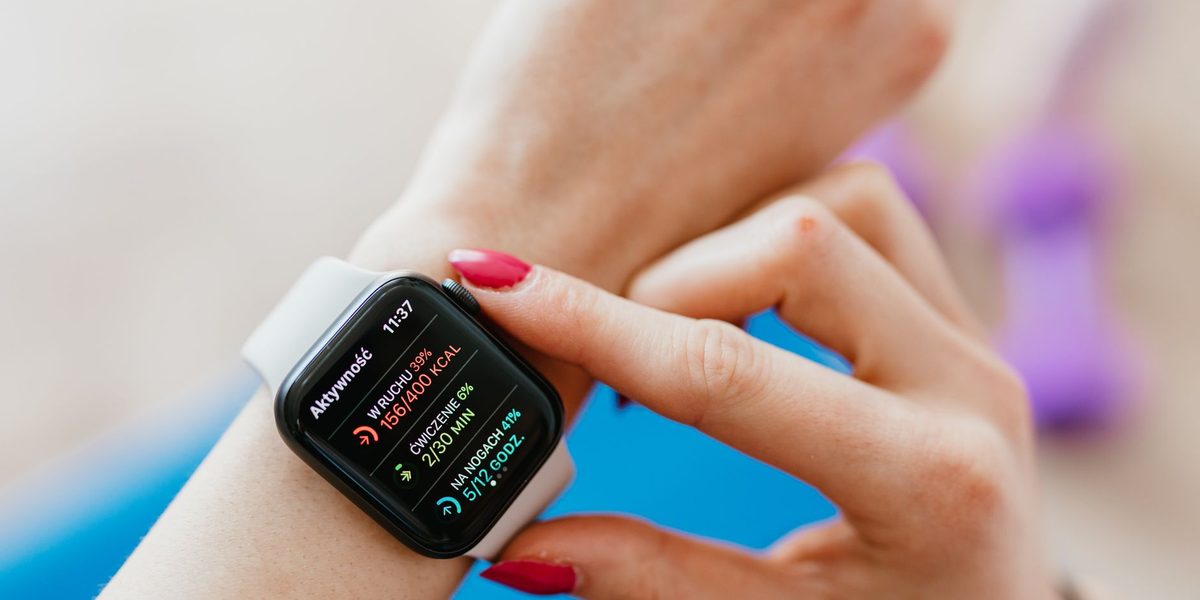
Fitness trackers and smartwatches have turned heart rate into something we can watch around the clock, and used well, that's genuinely valuable. Where wearables shine is in showing trends: your typical resting range, how it shifts across weeks, how it responds to a stretch of poor sleep or a new walking habit. Patterns over time are the honest product these devices sell.
What wearables are not is medical equipment. Readings can be thrown off by loose straps, wrist movement, skin temperature, and the limits of the sensor technology itself. More importantly, a consumer device can't interpret a number in the context of your health history — it doesn't know what medications you take, how you feel, or what else is going on in your body. Treat the device as a diary, not a diagnostician. It can help you notice that something changed; it cannot tell you why, or whether it matters.
When to Talk to a Professional
Because heart rate bounces around for so many innocent reasons, the useful question isn't “was that number weird?” but “is something persistent or paired with how I feel?” It's worth bringing observations to a doctor when a change in your usual pattern sticks around without an obvious explanation, or when numbers come alongside physical sensations — things like feeling faint, unusually short of breath, or aware of your heart pounding, fluttering, or skipping in ways that concern you.
A healthcare professional can evaluate what a consumer gadget never could, using proper tools and your full history. If you track your heart rate, consider bringing your trend data to appointments; a record of your typical patterns can be a helpful starting point for a conversation. And if you ever feel genuinely unwell, trust your body over any screen — symptoms matter more than statistics from your wrist, and sudden, severe symptoms deserve urgent attention regardless of what a device says.
Final Thoughts
Your heart rate is a running commentary on your life: your movement, your stress, your sleep, your morning coffee. Read it that way and the numbers become interesting instead of alarming. Learn your own baseline, watch trends rather than single readings, and remember that fitness tends to make the whole system quieter and more efficient over time. Let your wearable be a notebook, let context be your interpreter, and let a healthcare professional handle the questions that actually need answering. The number on your wrist isn't a verdict — it's just your heart, doing its job, telling you about your day.