Somewhere in the last decade, the gut went from a topic people avoided at dinner parties to the star of the wellness world. Suddenly the microbiome was being credited with influencing mood, immunity, weight, energy, and nearly everything else, and a whole shelf of products appeared promising to fix, reset, or optimize it. Under all that noise sits a genuinely fascinating and fast-moving area of science — one that is far more interesting, and far less settled, than the marketing suggests. This explainer covers what the gut microbiome actually is, what researchers reasonably believe about it, and how to keep your skepticism healthy while the science catches up with the hype.
What the Microbiome Actually Is
Your digestive tract, especially the large intestine, hosts an enormous community of microorganisms: bacteria mostly, along with fungi, viruses, and other tiny residents. Collectively they are called the gut microbiota, and the term microbiome technically refers to that community together with its genetic material and surroundings, though in everyday usage the words get swapped freely.
The numbers involved are hard to picture. There are vast populations of microbial cells living inside you, representing many hundreds of different types. They are not passive squatters. They help break down parts of your food that human digestion cannot handle on its own — particularly certain fibers — and in doing so they produce compounds that your own cells use. They occupy space and consume resources that less welcome microbes might otherwise claim. And they interact constantly with the lining of your gut, which is itself in close conversation with your immune system.
A helpful mental image is an ecosystem rather than a machine. Nobody thinks of a forest as something you optimize with a single product; you think about conditions — soil, water, light — that let a healthy variety of life flourish. The gut works more like the forest.
Why Everyone Talks About Diversity
If one theme dominates microbiome discussion, it is diversity: a community with many different kinds of microbes tends to be associated with better outcomes than one dominated by just a few. The reasoning is ecological. A diverse community has more ways to handle whatever arrives — different foods, occasional disruptions, unfamiliar microbes — because different members specialize in different jobs. A narrow community is more brittle.
Two important caveats belong right next to that idea. First, there is no single blueprint for an ideal microbiome; healthy people's gut communities differ enormously from one another, shaped by geography, diet, genetics, and life history. Second, much of what we know comes from observing associations, and association does not establish which way causation runs. When a certain microbial pattern accompanies a certain state of health, it can be tempting to assume the microbes caused it — but the pattern may equally reflect the diet, activity, or circumstances that produced both. Honest science in this field is full of maybes, and anyone speaking about it with total certainty is worth a second look.
How Food Shapes the Community
Of everything within your control, what you eat is probably the most influential factor, and it works faster than people expect. Your gut microbes eat what you do not fully digest, so the composition of your diet effectively determines which residents have plentiful food and which go hungry.
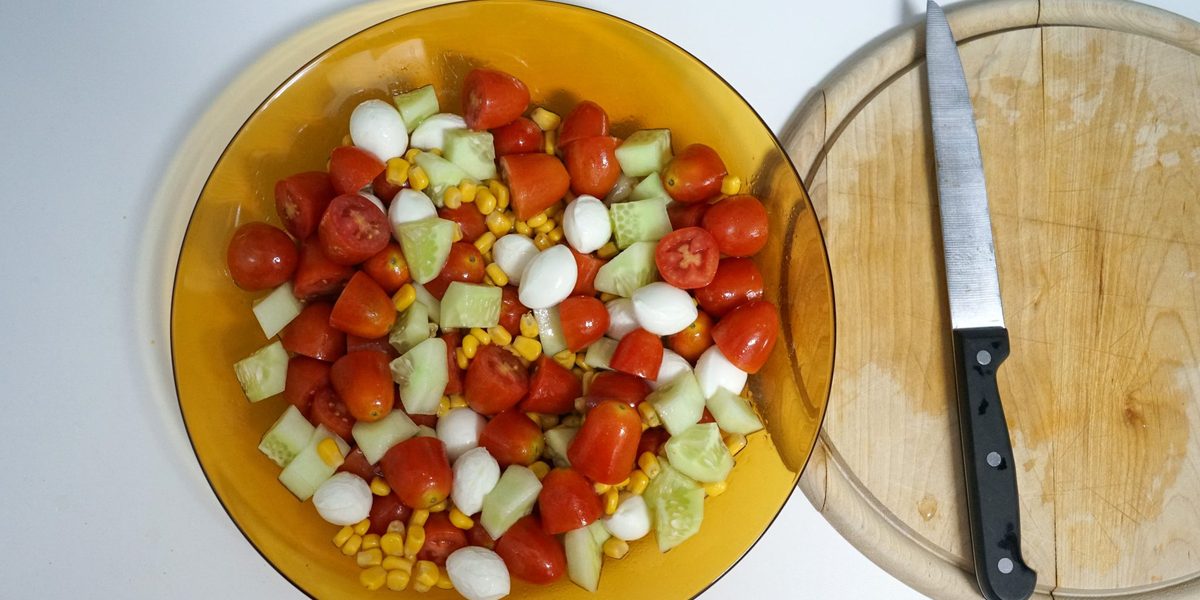
- Fiber-rich plant foods — vegetables, fruits, whole grains, beans, lentils, nuts, and seeds — supply the material many beneficial microbes ferment. Variety matters here: different plants feed different microbes, so a rotating cast of plant foods supports a broader community than eating the same two vegetables forever.
- Fermented foods such as yogurt with live cultures, kefir, sauerkraut, kimchi, miso, and tempeh introduce live microbes along with the products of fermentation. They are a traditional part of cuisines all over the world, which is a reassuring sign of long human familiarity.
- Heavily processed, low-fiber eating patterns tend to offer less of what fiber-fermenting microbes need, which over time may narrow the community's food supply.
Notice how ordinary this advice is. The eating pattern that supports gut microbes — plenty of varied plants, some fermented foods, not too much ultra-processed fare — is roughly the same pattern nutrition guidance has recommended for decades for entirely separate reasons. That convergence is a feature, not a coincidence.
Prebiotics, Probiotics, and Where the Hype Lives
Two terms cause endless confusion. Probiotics are live microorganisms, whether in foods or supplements. Prebiotics are the food those microbes eat — particular fibers and compounds that pass through undigested and feed the community you already have. A rough shorthand: prebiotics are the groceries, probiotics are the guests.
Here is where honesty matters most. The supplement aisle has raced far ahead of the evidence. Products promise to reset, detox, or rebuild your gut, often with confident claims that the underlying research does not support. The realistic picture is messier: effects tend to be strain-specific rather than general, many supplement microbes are transient visitors rather than permanent residents, and results vary from person to person in ways nobody can yet predict. That does not mean probiotics are useless — there are contexts where specific products have genuine support — but it does mean the label promising to fix your gut is making a bigger claim than anyone can currently back. Nobody should be diagnosing themselves or treating symptoms based on marketing copy. If you have ongoing digestive trouble, that is a conversation for a doctor or registered dietitian, who can consider your whole situation rather than selling you a jar.
What Else Influences Your Gut
Food is not the only factor. Sleep, physical activity, and stress all appear to interact with the gut environment, and the relationships run in both directions, since gut and brain communicate continuously through nerves, hormones, and immune signaling. This is the origin of the much-discussed gut-brain axis — a real and active area of research, and also a phrase that has been stretched to justify claims well beyond current knowledge.
Antibiotics deserve a mention too. They are important medicines that save lives, and they also disrupt gut communities as a side effect of doing their job. This is not a reason to refuse them when a doctor prescribes them; it is one of many reasons medical professionals prefer not to prescribe them when they would not help.
How to Read Microbiome Claims Sensibly
A few practical filters help. Be wary of any product promising to fix or reset your microbiome, since there is no agreed-upon target state to reset toward. Be skeptical of dramatic single-food claims, because ecosystems rarely respond to one lever. Watch for the leap from a small preliminary study to a sweeping headline. And treat at-home microbiome testing kits with caution: they can tell you something about what is present, but interpreting that snapshot into personalized advice is beyond what current science reliably supports.
Final Thoughts
The gut microbiome is a genuine scientific frontier — a vast internal ecosystem that helps digest your food, interacts with your immune system, and talks to your brain in ways researchers are still mapping. That frontier status is exactly why humility belongs in the conversation. The dependable takeaways are unglamorous and free: eat a wide variety of plant foods, include fermented foods if you enjoy them, sleep and move reasonably, take antibiotics when a doctor says you need them and not otherwise, and let a healthcare professional guide anything that feels like a persistent problem. The rest, for now, is a story still being written — worth following with curiosity and a well-calibrated eyebrow.